
Wine is one of the most fascinating and complex beverages in the world, with a history spanning thousands of years. Behind every glass of this golden nectar lies a unique composition, the result of a delicate balance of natural ingredients.
Through this detailed exploration of the main components of wine, we will discover the extraordinary complexity hidden behind every glass. From the predominance of water and ethyl alcohol, passing through sugars, acids, polyphenols, and proteins, to the numerous other trace elements, wine reveals itself as a true work of art of nature. Understanding this composition allows us to appreciate even more the richness and diversity of this fascinating beverage. In this article, we will explore in detail the main components of wine, unveiling the secrets behind its unmistakable flavor and aroma.
Wine is mainly composed of water (about 85%) and ethyl alcohol (from 8 to 16% for non-fortified wines). These two elements form the base of every type of wine, giving it its characteristic structure and body.
The role of water
Water plays a fundamental role in the winemaking process, acting as a solvent and transport medium for other components. It contributes to the dilution of sugars and acids, thus influencing the organoleptic profile of the wine.
Ethyl alcohol: the product of fermentation
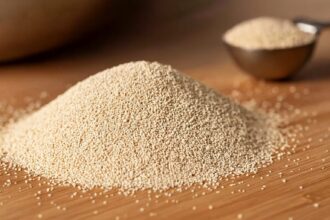
Ethyl alcohol is the result of the transformation of sugars present in the grapes by yeasts during fermentation. This chemical reaction is essential for wine production, giving it its characteristic alcohol content.
Besides water and alcohol, sugars represent a key element in the composition of wine. The main sugars present are glucose and fructose, coming directly from the grapes.
The role of glucose and fructose
Glucose and fructose are transformed into ethyl alcohol during fermentation but can also partially remain as residues in the wine, providing additional sweetness and structure.
The importance of residual sugar
Residual sugar, that is, sugars not fully fermented, plays a fundamental role in the classification of wines, determining the distinction between dry, semi-dry, and sweet wines.
Organic acids are another essential component of wine, responsible for its freshness and acidity.
The main acids in wine
The main acids present in wine are tartaric acid, malic acid, and citric acid. These acids contribute to pH balance, keeping the wine within an ideal acidity range.
The role of acetic acid
Acetic acid, produced during fermentation and aging, is responsible for the aroma and taste of vinegar, which can be considered a fault in wine.
Polyphenols are a class of organic compounds that play a crucial role in the composition and sensory characteristics of wine.
Flavonoids and non-flavonoids
Polyphenols are divided into two main groups: flavonoids, such as tannins and anthocyanins, and non-flavonoids, such as phenolic acids.
The influence of polyphenols
Tannins give red wine its typical astringency, while anthocyanins are responsible for color. Non-flavonoid polyphenols, although not directly influencing sensory properties, play an important role in the stability and longevity of the wine.
Proteins and amino acids present in grapes and wine contribute to its complexity and stability.
The role of proteins
Proteins, mainly derived from yeasts during aging, can interact with tannins, influencing the structure and tactile perception of the wine.
Amino acids and their contribution
Amino acids, the result of protein degradation, can influence the aromatic profile of wine, as well as play a role in its stability.
In addition to the main elements, wine contains a multitude of other compounds present in smaller quantities, but which significantly contribute to its characteristics.
Glycerol, sulfites, and minerals
Glycerol, produced during fermentation, increases the viscosity of the wine, while sulfites play an important role in preservation. Minerals, such as potassium, calcium, and magnesium, influence the stability and balance of the wine.
Aromatic compounds
Aromatic compounds, present in thousands of different molecules, are responsible for the unmistakable scents and aromas of wine, divided into primary, secondary, and tertiary aromas.