



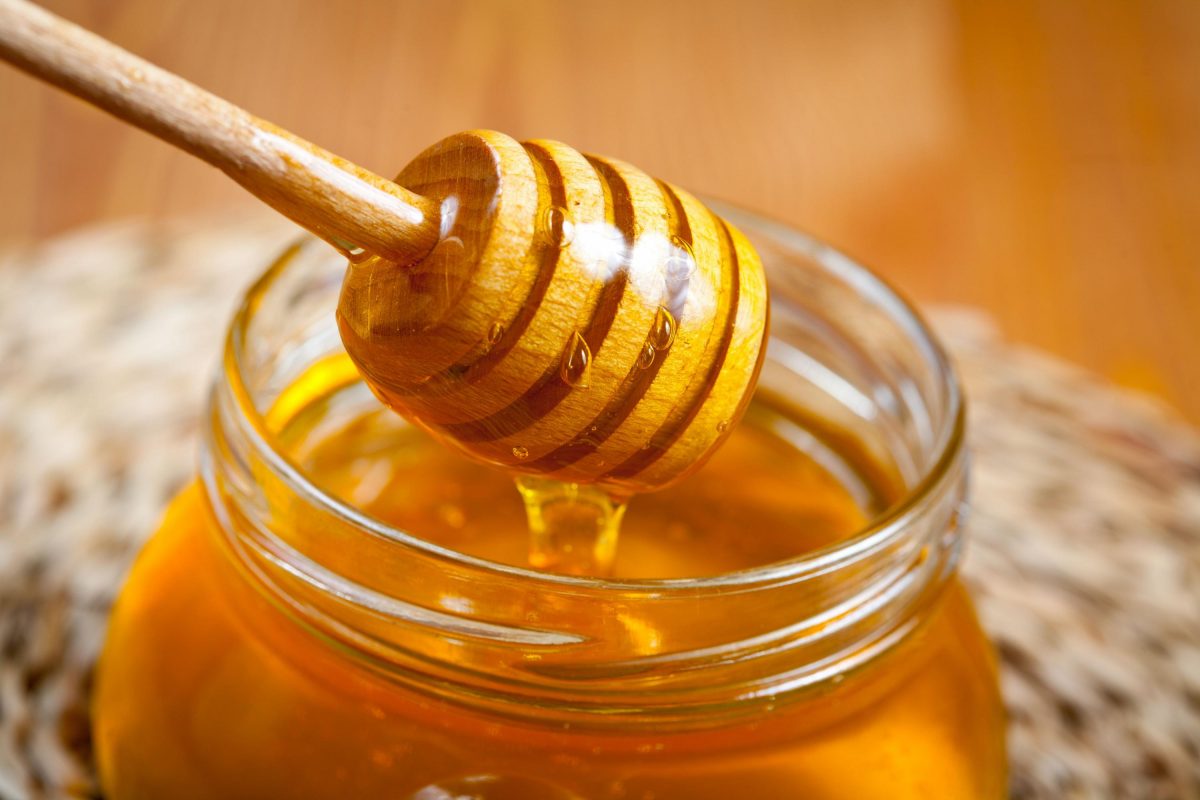
Honey is not just a delicious sweetener; it has long been used for its medicinal properties. However, not all honey is the same. The harvesting methods, as well as the source of the honey itself, determine the potency of its effectiveness when it comes to healing powers. One of the most effective honeys in the world is Manuka honey.
Manuka honey is thought to have antibacterial properties, and some even use it to heal wounds or fight acne. For us runners, some claim that Manuka is exceptionally rich in antioxidants and can combat post-run inflammation. However, research is lacking to support many of these claims, so let’s take a deeper dive into this honey and separate fact from fiction.
Properties and benefits of Manuka honey
Besides the fact that Manuka honey is derived from a specific plant, it has some other qualities that set it apart. Because honey is rich in sugar and has a low pH, it can inhibit bacterial growth. However, Manuka honey contains a compound called methylglyoxal (MGO), which comes from a phytochemical found in the nectar of certain flowers in New Zealand. MGO has some toxic properties, but there is no evidence to suggest it harms human cells. On the contrary, Manuka honey appears to be harmful to bacterial cells, which promotes healing.
Manuka honey contains two powerful specific antibiotic components responsible for its strength: methylglyoxal (MG) and hydrogen peroxide. Compared to other honeys, it has the highest concentration of MG in its flowers. It is the MG that gives Manuka honey its incredible natural antibacterial properties that truly distinguish it from other types of honey.
The most common use of Manuka is for healing wounds and minor burns. It has also been used to:
Reduce inflammation
The National Cancer Institute has approved a proposal that would use “the Manuka honey for reducing esophageal inflammation associated with chemotherapy .”
Gastrointestinal improvement
Research has shown that Manuka honey can relieve a range of gastrointestinal issues including irritable bowel syndrome.
Oral health
Studies have shown that Manuka honey may be effective in preventing gingivitis and reducing plaque buildup.
Lowering BMI
Replacing sugar with Manuka honey may help reduce BMI, which in turn can help lower overall cholesterol levels.
Manuka honey follows the traditions of using honey for medicine. When taking Manuka honey orally, it is recommended to take a dosage of 1–2 tablespoons before a meal depending on symptoms. Manuka with a UMF15 and above should only be taken one tablespoon at a time, due to its higher medicinal grade. Since Manuka honey is of medicinal quality, it should not be consumed excessively. Too much can also cause a rise in blood sugar. Those with medical conditions should also consult their doctor before taking it. Even though you should not consume large amounts of high-quality Manuka honey daily, a small amount can go a long way.



 and hydrogen peroxide.)