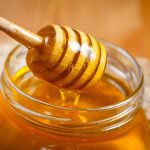
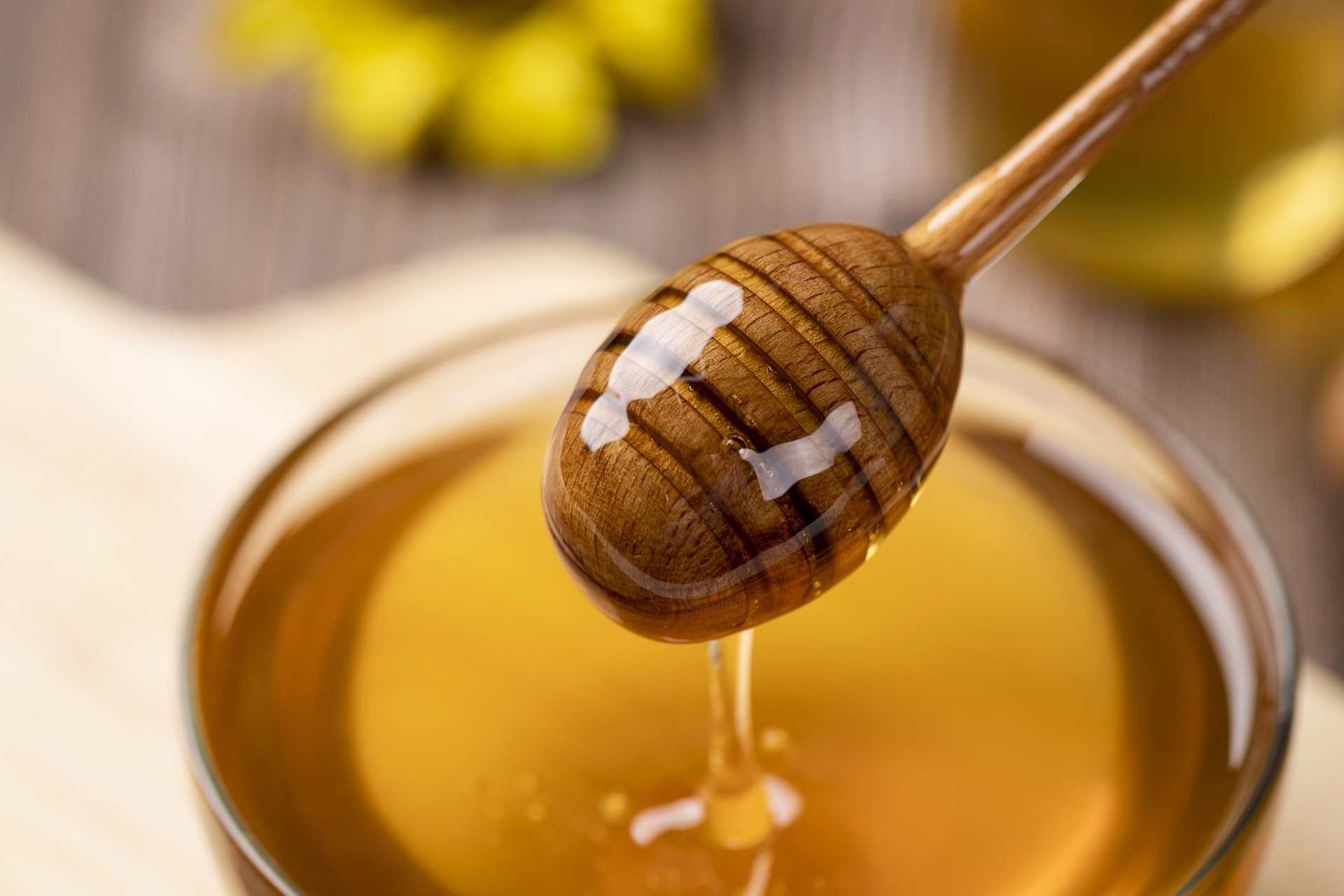
Liquid gold. Ambrosia. Manna. Nectar of the gods. Honey is seen as a celestial indulgence, a symbol of purity, love, and wisdom. There is a wild nature, a feeling of warmth that reminds us of its health benefits and connection to the past. Known for its incredible sweet taste and holistic properties, honey has been appreciated and revered for hundreds of years. A sacred ingredient that was used in spiritual ceremonies and art dating back to the 7th millennium BC is much more than just a simple healthy food trend.
Honey is not only good in a cup of hot tea when you have a sore throat. While the iconic bottles of golden liquid honey may be more recognizable on store shelves, many different variants of honey are actually available. Flavors and colors typically depend on the flowers and plants from which the bees collect pollen. Honey colors can range from an almost translucent liquid to a syrup as dark as molasses. Regardless of the honey variety, the nectar produced by bees is listed as one of many natural superfoods, used to boost health and vitality.
Raw honey comes directly from the comb, while pasteurized honey is heated and filtered to remove potential bacteria. Most honey-based products found in grocery stores are commercially produced. They are pasteurized at high temperatures, which can kill most useful antioxidants, nutrients, and enzymes.
Honey producers have moderate success selling honey locally. Farmers markets, natural food stores, and other small businesses are likely to serve local raw honey, which contains most of the beneficial nutrients for good health.
Types of honey
Trying different types of honey can expand your palate and help you become a honey connoisseur. There are over 300 known types of honey. Popular varieties include:
- Clover honey – Clover honey is the most common variety of honey. It is usually light in color, with a sweet and mild flavor. Clover is often called “table honey” and can be further divided into categories based on the type of clover it comes from, including Dutch white clover, red, and other types of clover.
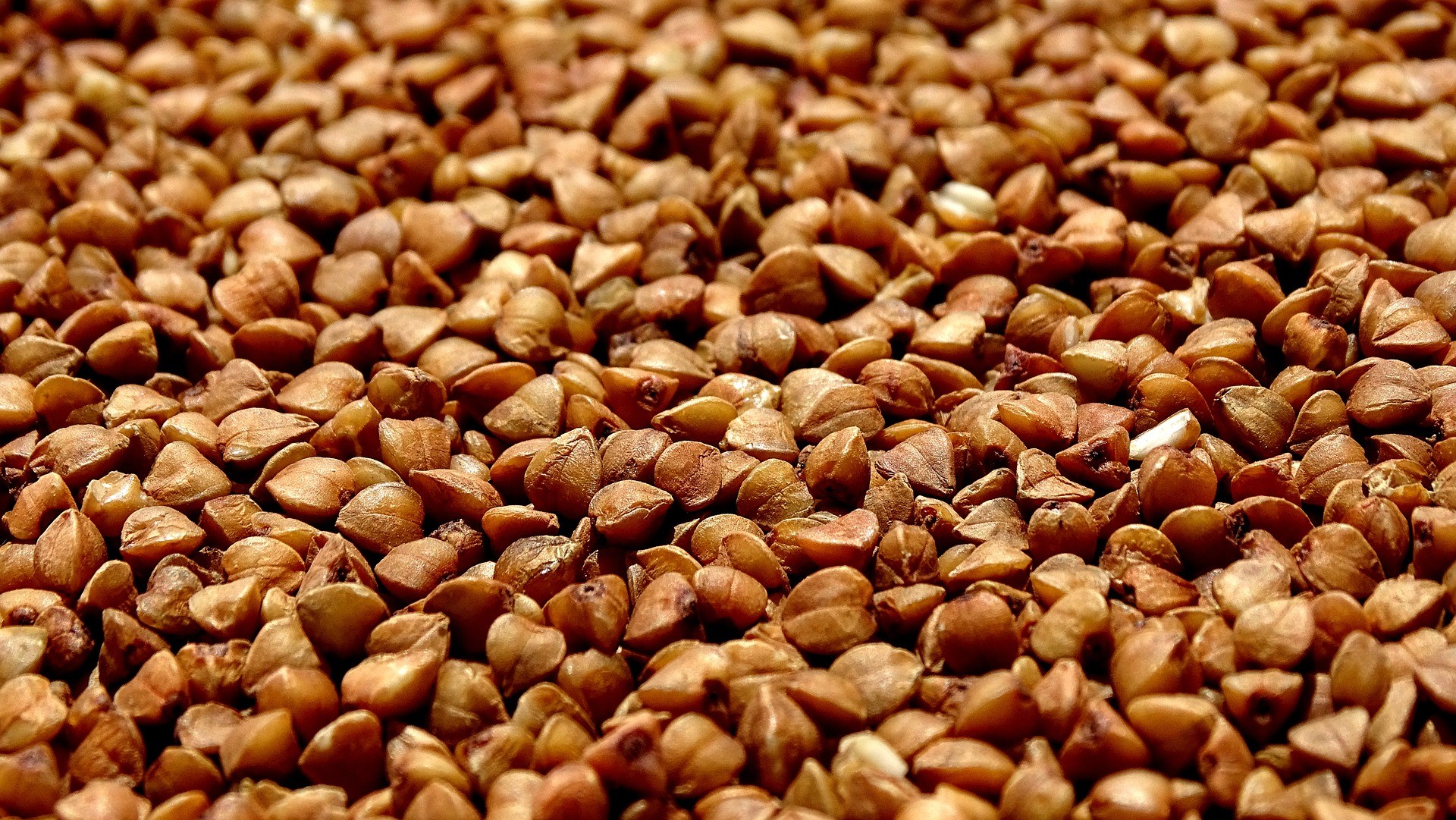
- Buckwheat honey – Buckwheat honey offers a distinctive and strong flavor. It is dark brown in color and is most commonly used in baking recipes. Buckwheat honey is also a popular choice for use in barbecue sauces.
- Orange blossom honey – This type of honey comes from the nectar of orange, lemon, lime, and other citrus flowers. It is used as table honey but is also popular for baking cookies and cakes.
- Alfalfa honey – Alfalfa honey is derived from the alfalfa flower and is usually white or light amber in color. This honey is versatile, used as table honey and for baking.
- Avocado honey – Avocado flowers produce a dark-colored honey that offers a buttery taste. This rich honey is often used in sauces, marinades, and salad dressings.
- Sage honey – This honey originates from the sage flower, is white in color, and offers a sweet flavor. Sage honey is a popular complement for a number of cheeses.
- Eucalyptus honey – This honey flavor offers a slight minty taste and is most often used in baking. The color and flavor depend on the type of eucalyptus plant visited by the bees.
- Sourwood honey – The sourwood tree is the source of sourwood honey. The honey offers a spicy yet sweet flavor and is used in glazes or as table honey.
- Manuka Honey – A honey typically produced in New Zealand, Manuka honey is best known for treating Helicobacter pylori, a key factor in gastric ulcers and stomach tumors. Manuka honey has been shown to prevent the growth of this bacterium and help heal stomach issues.
Properties and benefits of honey
Great for healing
Honey contains antibacterial and antifungal properties that can help support and improve the digestive system and boost immunity. Additionally, it has antiseptic properties that can inhibit the growth of certain types of bacteria. Finally, it contains antimicrobial properties that can help fight bacteria that cause sore throat.
Great for athletes
Honey is a source of natural carbohydrates that are quickly converted into energy. In a study conducted by the Exercise and Sports Nutrition Laboratory at the University of Memphis they found that honey enhances cyclists’ performance.
Great for blood sugar
Unlike other sugars that can cause blood sugar spikes honey has been shown to help stabilize blood levels.
Globally recognized
The World Health Organization (WHO) lists it as an emollient, which soothes inflammation and irritation of the mouth’s mucous membranes by forming a protective film.
Home remedies with honey
- Sleep better: add a spoonful of honey to a glass of warm milk to promote drowsiness. Honey in milk helps increase melatonin levels, promoting better nighttime rest.
- Weight loss: raw honey can replace sugar in the diet to help achieve weight loss goals.
- Nausea relief: a mixture of honey, ginger, and lemon juice can be taken to provide quick relief from nausea.
- Skin problems: honey is often used in topical treatments for a range of skin conditions. It can be rubbed on the face to treat acne issues and restore skin hydration. Use two cups of honey in a warm bath for a moisturizing and soothing soak. An equal parts mixture of honey and cinnamon is known to effectively treat eczema. Honey combined with olive oil can be used as a lotion to fight dry skin.
- Asthma: since honey is a natural anti-inflammatory agent, it is used to relieve respiratory conditions, including asthma.
- Dry hair: raw honey is used as a hair mask to revive dry hair and increase natural shine. Just 1 teaspoon of raw honey mixed with 5 cups of water and poured over dry hair helps restore hair condition. Honey is also used in shampoos to cleanse the hair.
- Urinary tract infections – honey can be used to treat urinary tract infections due to its natural antibacterial properties.