
The vitamin D is important for health and well-being. It promotes calcium absorption, supports healthy muscle function, preserves bone health, and prevents osteoporosis. The immune system is also influenced by this essential vitamin. Vitamin D deficiency can cause muscle weakness, bone pain, and fatigue.
Mild vitamin D deficiencies may cause less severe symptoms in addition to bone pain, fatigue, and muscle weakness. It is possible to follow a nutritious diet yet still be deficient in vitamin D. Many people are unaware that they are vitamin D deficient. Studies suggest that between 18% and 40% of the population have suboptimal vitamin D levels despite its role in health.
Reduced vitamin D levels lead to bone diseases such as rickets in children and osteomalacia in adults. Rickets makes bones softer and weaker, causing skeletal disorders such as bowed legs and knocked knees. Severe vitamin D deficiency in adults can cause osteomalacia, which leads to bone fractures with minimal force. The symptoms listed above are caused by a severe vitamin deficiency.
Which vitamins to take?
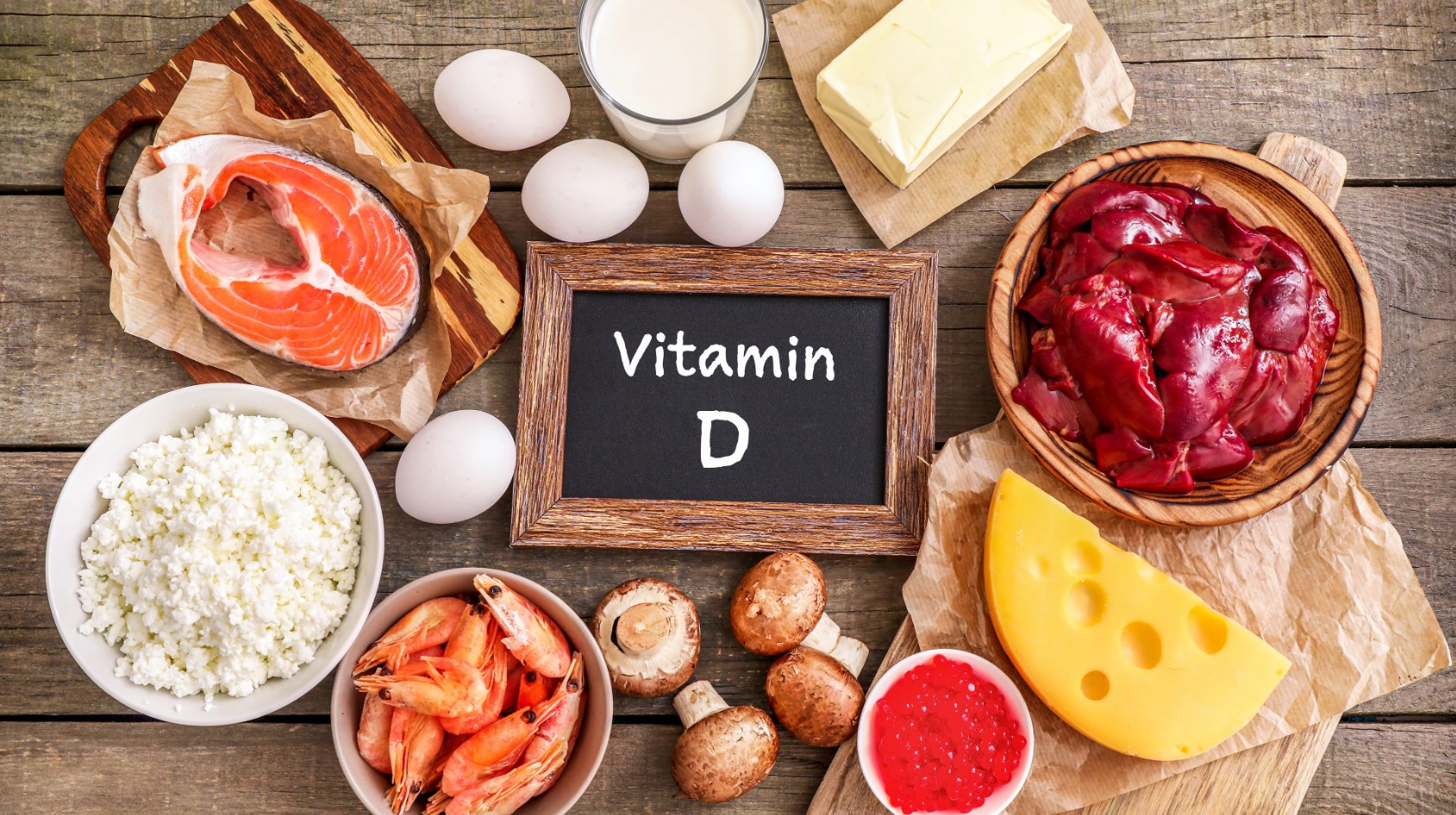
The body can produce vitamin D when exposed to sunlight. Vitamin D is a hormone produced by the body. Unlike most vitamins, food is not the best source of vitamin D. You can eat fatty fish, beef liver, and eggs to get some vitamin D, but diet alone may not be enough to maintain vitamin D levels.
Although dairy products such as cheese and yogurt provide modest amounts of vitamin D, some fortified breakfast cereals, dairy products, and packaged foods are available. Infant formulas, fats, and non-dairy milk alternatives are other packaged foods that may contain vitamin D. To check for vitamin D presence, you need to read the label. Foods rich in vitamin D are insufficient to meet the body’s vitamin D needs without sun exposure.
Vitamin D is obtained from sunlight
What’s special about sun exposure and vitamin D? When UVB rays (ultraviolet B rays) from sunlight hit the body, the skin produces 7-dehydrocholesterol from cholesterol to make vitamin D. The liver and kidneys then activate this vitamin D precursor to produce an active form of vitamin D that has biological effects on the body. If the body produces enough vitamin D, it is healthy, but many individuals are not sufficiently exposed to the sun to produce enough.
How much sun exposure do you need?
Many people spend most of the day indoors and consequently are deficient in vitamin D. How much sunlight do you need? There is no one-size-fits-all answer to this question. People with darker skin need more sun exposure to maintain healthy vitamin D levels, although there is no universal answer. Obesity and aging also increase individuals’ vitamin D needs.
Vitamin D is produced by the UVB rays of the sun, so the amount of time you can spend in the sun depends on where you live. If you stay in the sun for 15 minutes in March and September, an average person can produce enough vitamin D. However, in autumn and winter, UVB rays might not be strong enough to produce an adequate amount of vitamin D for health, so it is important to wear sun protection.
Is it necessary to supplement vitamin D?
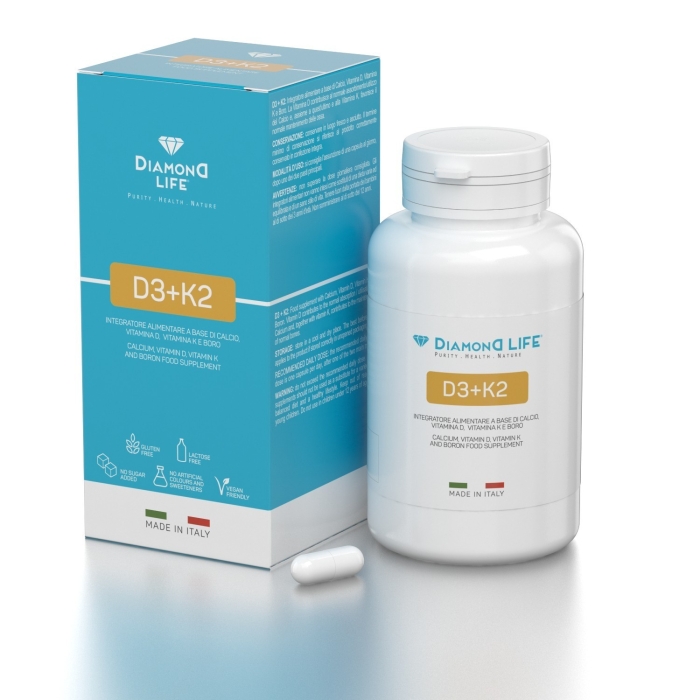
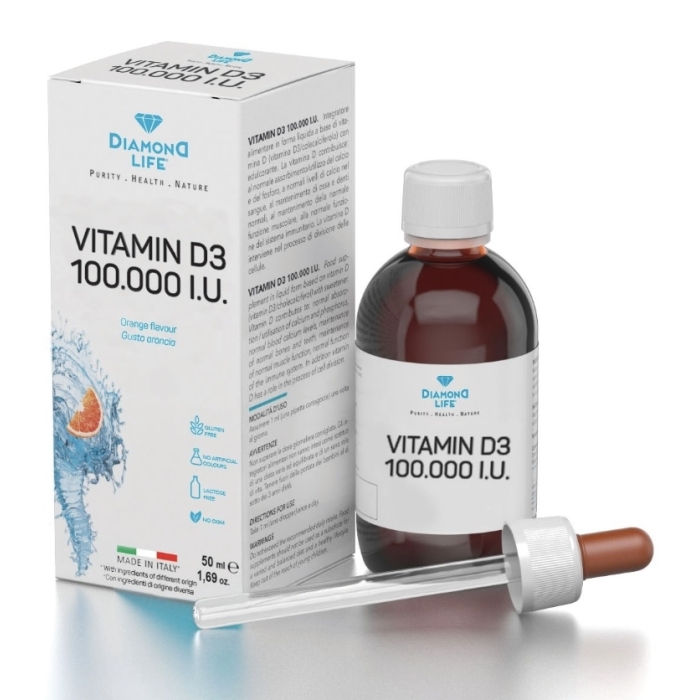
What to do if you live in an area that receives too few UVB rays in late autumn and winter? You should take a vitamin D supplement. Ask your doctor to check your vitamin D level and find out where you stand on the vitamin D spectrum. They will then indicate the amount to take to increase your level.
You can avoid taking a vitamin D supplement during winter if you get enough sunlight in spring and summer. Sun exposure cannot cause vitamin D overdose, and it’s unlikely you can eat enough vitamin D-rich foods to reach a toxic vitamin D level.
It is not recommended to take more than 4,000 IU per day if you do not know your vitamin D level, as this is the maximum safety limit if you are unsure of your status. It is safer to take no more than 1,000-2,000 IU per day unless the level is low. The body stores excess vitamin D and too much can lead to excessive calcium in the blood. Additionally, vitamin D places further strain on the kidneys and increases the risk of kidney stones. However, the benefits of vitamin D follow a U-shaped curve. A low vitamin C level is harmful, but a high level is not. Most people, however, are more at risk of having a low than a high level.
Vitamin D needs vary depending on age, obesity, and skin color, but most people can get enough sun exposure during spring and summer to meet their needs. Having trouble getting enough sun? Talk to your doctor about taking a vitamin D supplement. A healthy vitamin D level will improve your physical and mental health.
Sources
- National Institutes of Health. “Vitamin D”
- “Vitamin D – Health Professional Fact Sheet.” 26 Mar. 2021, ods.od.nih.gov/factsheets/vitamind-healthprofessional/.
- Aranow, Cynthia. “Vitamin D and the immune system.” Journal of investigative medicine: the official publication of the American Federation for Clinical Research vol. 59,6 (2011): 881-6. doi:10.2310/JIM.0b013e31821b8755.
- Wacker M, Holick MF. Sunlight and Vitamin D: A global perspective for health. Dermatoendocrinol. 2013 Jan 1;5(1):51-108. doi: 10.4161/derm.24494. PMID: 24494042; PMCID: PMC3897598.