
Kosher cuisine is a form of cooking that follows specific dietary rules based on the Jewish religion. It is a cuisine with a long history and great importance for Jewish culture. In this article, we will explore the fundamental rules underlying kosher cuisine and try to understand what makes this cuisine so unique and fascinating.
What does Kosher mean?
The word “kosher” comes from the Hebrew “kasherut,” which means “fit” or “appropriate.” Kosher cuisine follows the dietary laws established in the Torah and in the Jewish Code of Law, known as the Shulchan Aruch. These dietary rules are an integral part of the Jewish religion and define which foods are considered kosher and which are not.
Rules of Kosher Cuisine
Kosher cuisine is based on several dietary rules that affect the choice of ingredients, food preparation, and even the way it is served. Below are some of the most important dietary rules of kosher cuisine:
1) Distinction between animal species
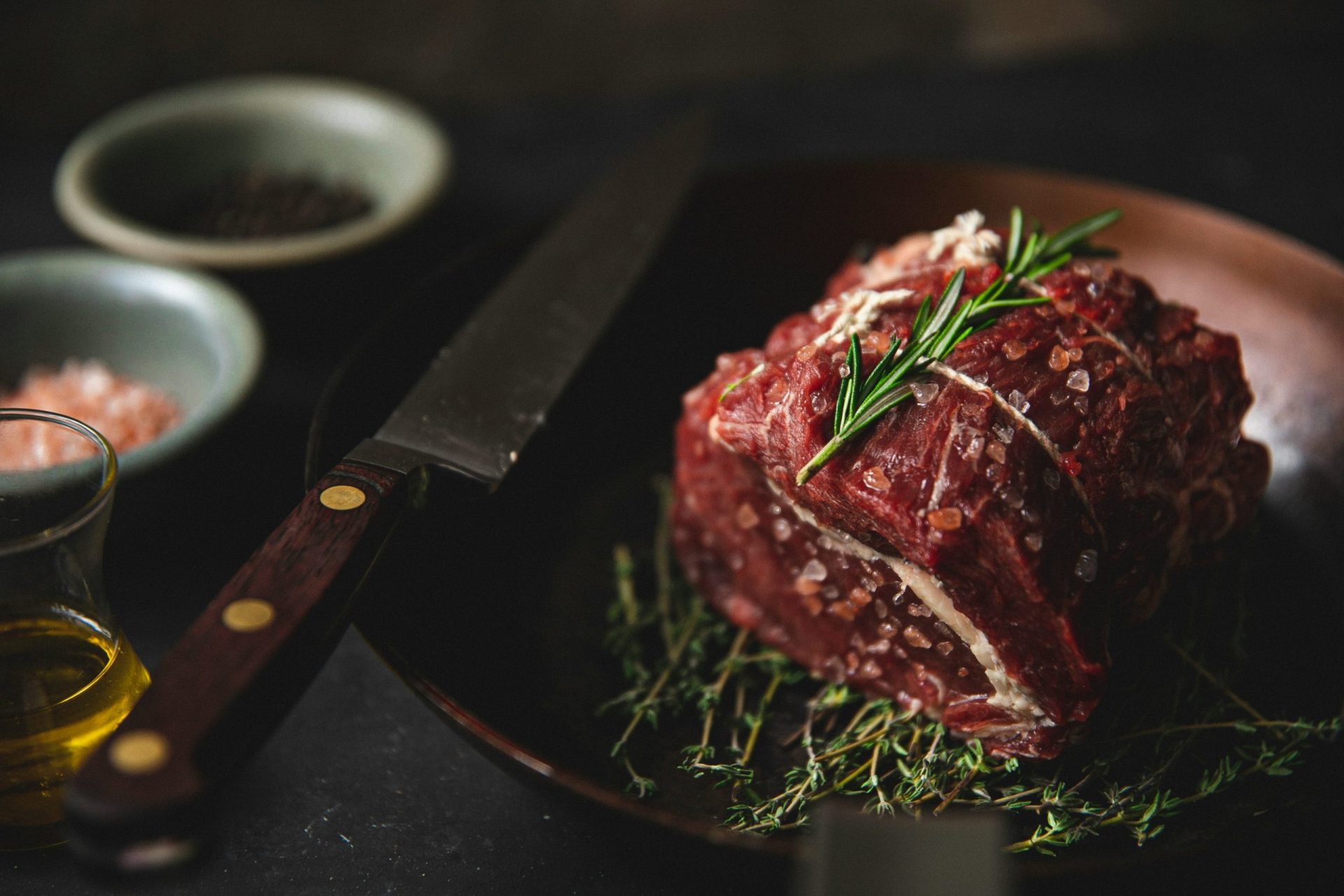
According to the laws of the Torah, only certain animal species may be consumed in kosher cuisine. Animals must have “split hooves” and must be “ruminants.” This means that animals such as cows, calves, bulls, goats, sheep, and lambs are considered kosher. Likewise, certain species of birds, such as geese, ducks, chickens, and turkeys, may be consumed in kosher cuisine.
2) Ritual slaughtering
To be considered kosher, an animal must be slaughtered by a ritual slaughterer called a “Schochet.” The slaughter must be carried out in a way that causes the animal’s death without causing suffering. A specific set of forbidden fats, arteries, and veins as prescribed by the Torah are removed, and the animal is drained of blood before consumption.
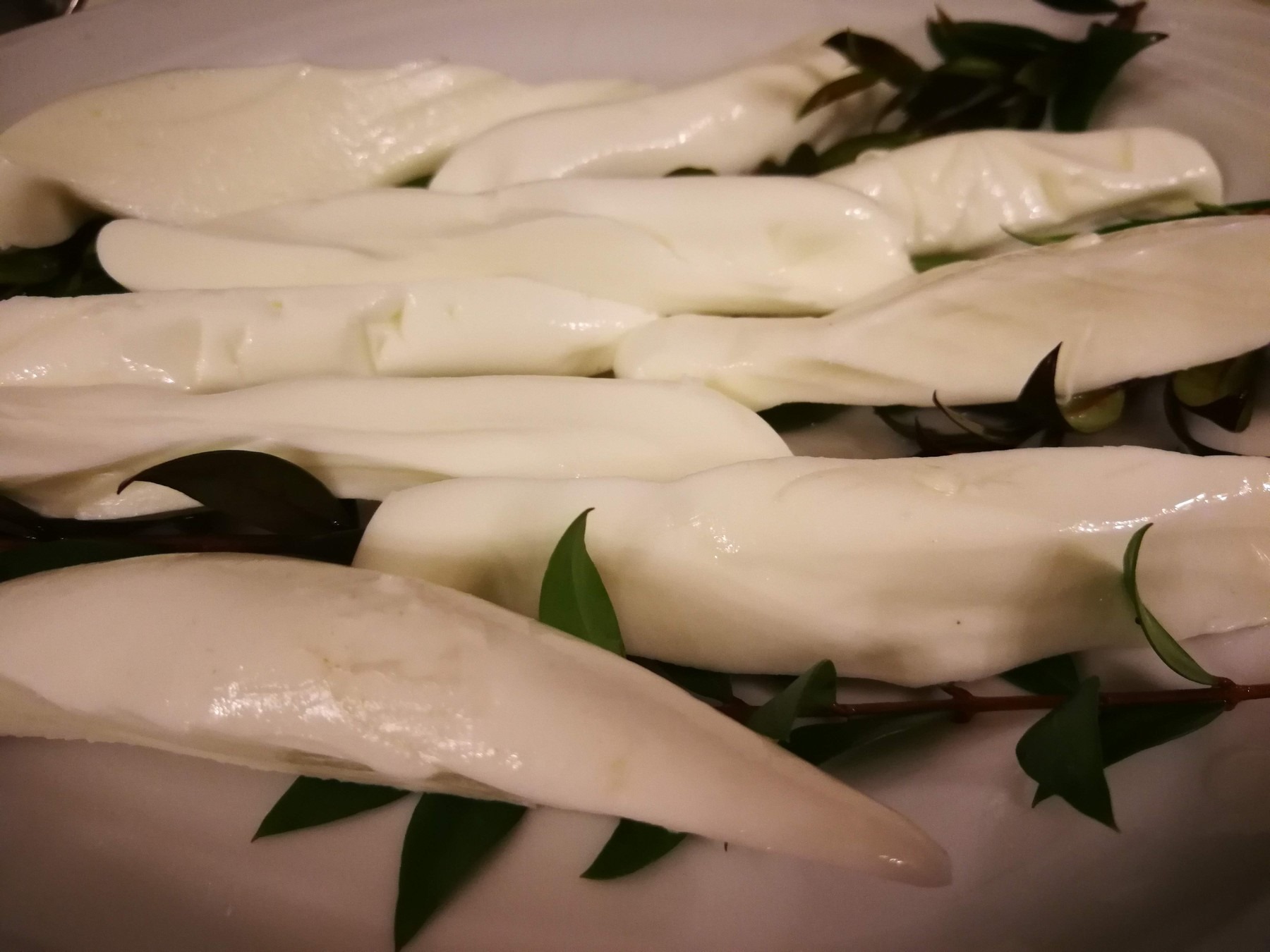
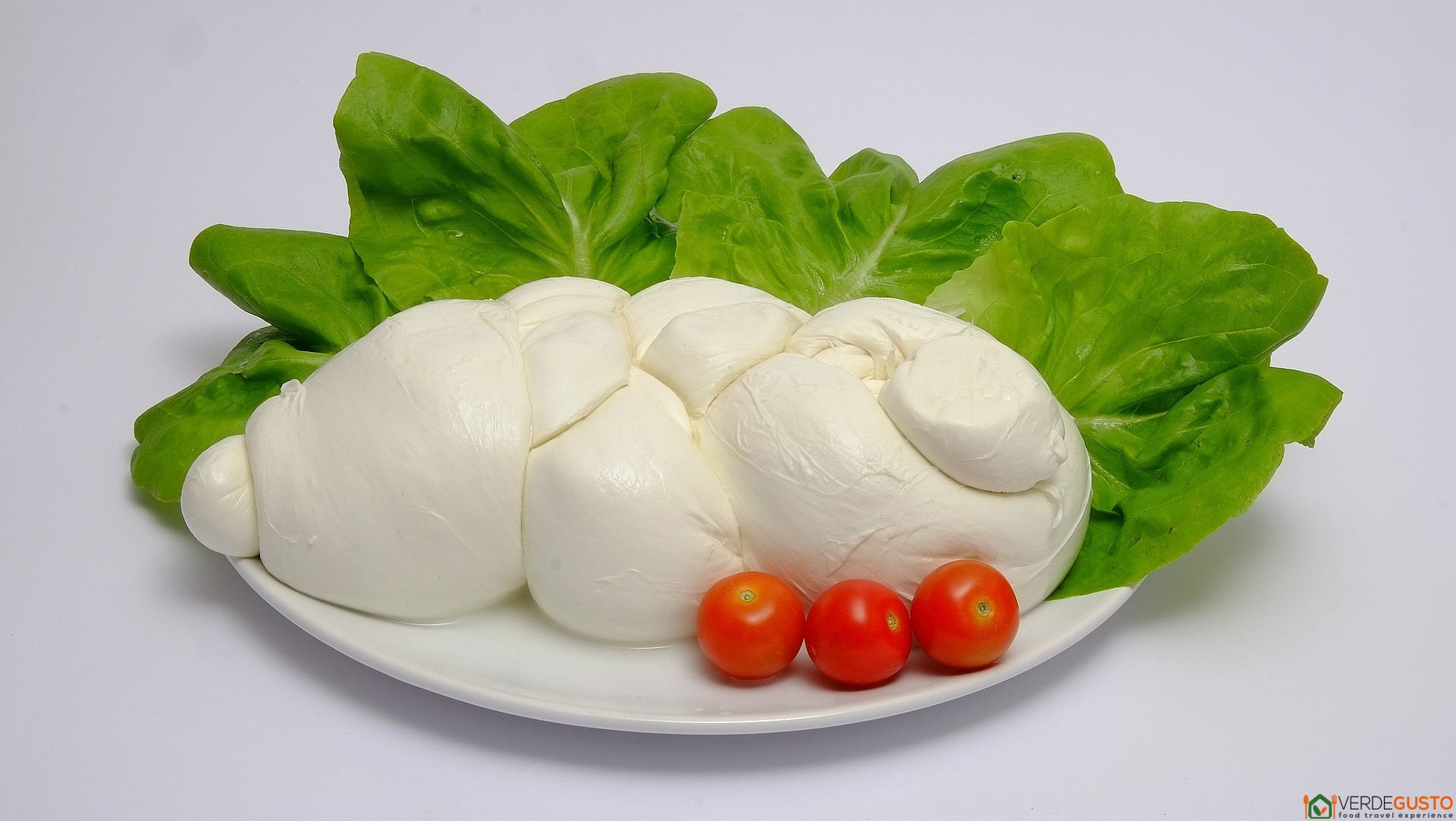
3) Origin of dairy products
Kosher dairy products must come from kosher animals. To ensure the kosher origin of the milk, strict control is required, from milking to packaging. Additionally, cheeses must be supervised by a rabbi to ensure they do not contain animal fats or derivatives.
4) Separation between milk and meat
In kosher cuisine, meat and milk cannot be mixed together or served on the same table. After consuming a meat-based meal, a certain waiting period is required before dairy products can be consumed. This separation also applies to utensils used for preparing and consuming food.
5) Sciatic nerve
Kosher cuisine avoids using cuts of meat that include the sciatic nerve. This rule originates from a kasherut prescription and a biblical episode that supports it. Since the sciatic nerve was injured during Jacob’s struggle with an angel, meat containing this nerve is not used in kosher cuisine.
6) Fish with fins and scales
Only fish with easily removable fins and scales may be consumed in kosher cuisine. This means that fish such as cod, trout, sole, salmon, and hake are considered kosher, while fish such as eel, sturgeon, and swordfish are not.
7) Mevushal wine
Wine plays an important role in Jewish ritual. Kosher wine must be opened by a practicing Jew, but if the pasteurization process called “mevushal” is applied, it can also be opened by a non-Jew. Furthermore, only kosher bacteria and enzymes must be used for the fermentation of kosher wine.
Conclusions
Kosher cuisine is a form of cooking with specific dietary rules based on the Jewish religion. These rules influence the choice of ingredients, food preparation, and even the way it is served. Kosher cuisine is an important part of Jewish culture and offers a unique combination of flavors and history. Choosing to consume kosher food can be a personal choice or a form of respect for Jewish culture. Whatever the reason, kosher cuisine offers a variety of delicious dishes and a unique perspective on traditional cooking. If you are interested in trying kosher cuisine, the BellaCarne restaurant is an excellent choice for a true kosher experience in Rome.