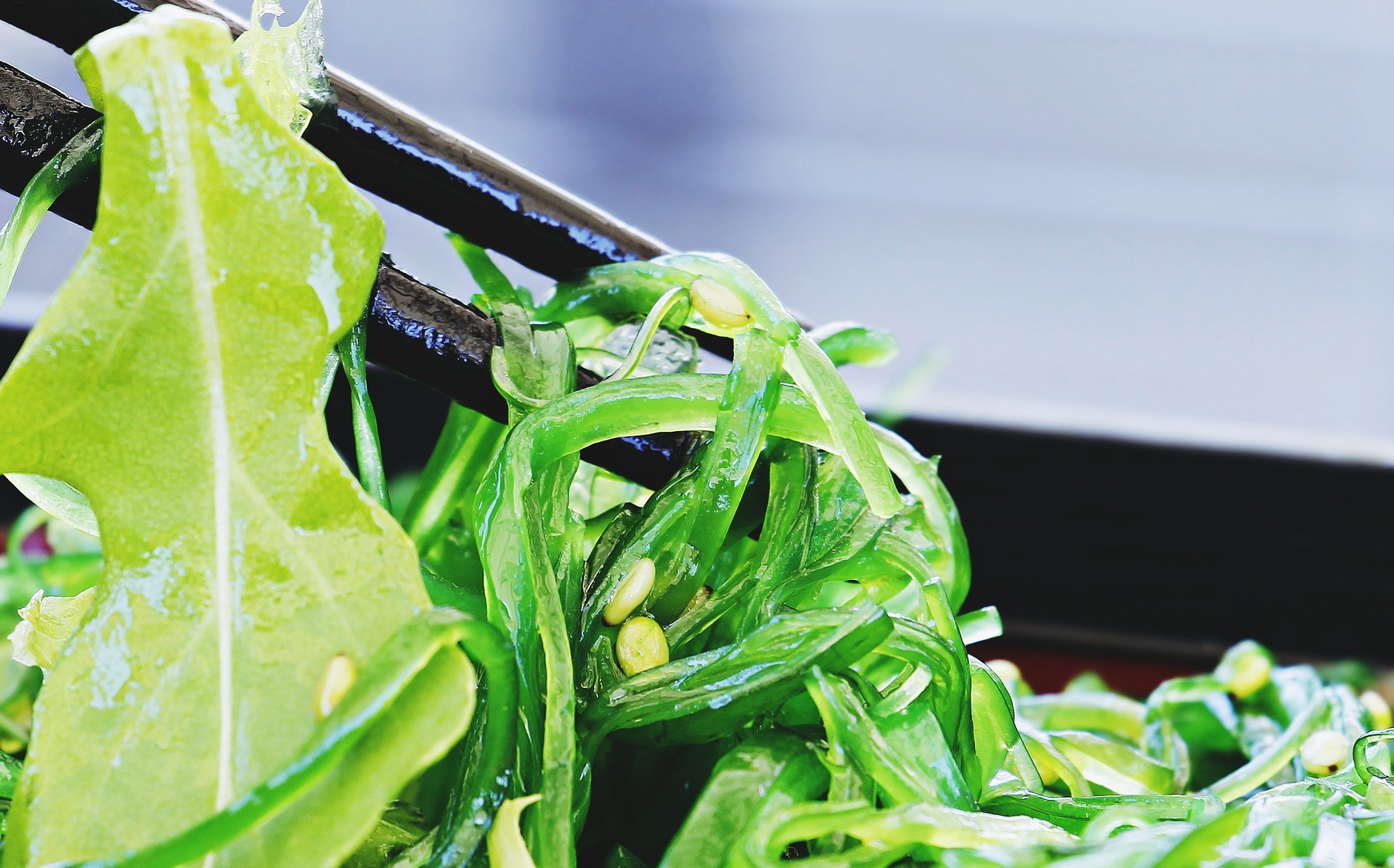

We use them every day even if we are not aware of it, not to mention that we know absolutely nothing about how they are collected or cultivated. Used since prehistoric times for human nutrition, for decades in cosmetics and other non-food products, seaweed today represent a far from marginal industry worldwide and, above all, a growth prospect.
Recently rediscovered as “novel food” with miraculous properties, seaweed is presented as yet another promise to feed the poorest communities with foods high in protein, no longer by creating terrestrial monocultures, but by diving into new submerged meadows.
Seaweed: from strange food to sought-after cuisine
The Canadian wild seaweed harvester Amanda Swinime, founder of Dakini Tidal Wilds, on Vancouver Island, tells in her Food Talk The Beauty of Seaweed, her healthy approach between sea and humans.
Swinime says in an interview: «For the first years after starting my business, Dakini Tidal Wilds, in 2003, I sold my seaweed to natural food stores and just one restaurant, specializing in raw and vegan cuisine. My clientele at that time was mainly people interested in the enormous health benefits of this food. Little known in the West, seaweed unfortunately had the reputation of being “strange and tasting like fish.” But around 2014 this reputation began to shift from strange to wonderful. I was excited that they were becoming recognized not only for their health and nutritional properties but also appreciated for their unique umami. I largely attribute this wonderful result to the incredible talent of many chefs who today are doing pioneering work».
Seaweed in Slow Fish kitchens: from Turin to Basilicata
Antonio Labriola, 35 years from Marsico Nuovo in Basilicata, criminal psychologist and gastronomic consultant in Turin. For his region these days, he proposes an ancient recipe made with mischiglio, that is a mix of flours once recovered by farmers from mills and enriched with leftover legume flours, chickpeas, lentils, and grass peas. Enhanced with spirulina which, besides providing a good sea aroma and a great protein contribution, unites sea and land. With the mischiglio Antonio makes traditional pasta like cavatelli and ferricelli that he seasons with fresh catch from the fishing communities of Lucania and the indispensable crispy peppers, ingredients that well represent the inseparable interconnection between sea and land.
Where can a chef get seaweed? When in Turin, Labriola buys it at the fish market, or when in Basilicata he collects it personally, just like Amanda Swinimer. Not only seaweed but also wild marine plants like glasswort – or sea asparagus – and sea fennel.

One million species of seaweed
According to experts, there are between 30 thousand and 1 million species of seaweed, and we know absolutely nothing about most of them. Those we know and cultivate, currently mostly for human consumption, according to recent studies generate globally about 6 billion dollars, with exponential growth year after year.
The countries practicing seaweed farming are 50, with China and Indonesia leading the ranking, and social conditions and pay for those who work in it at minimal levels to keep prices low. The United States and Europe, for their part, have been trying to recover at a fast pace in recent years.