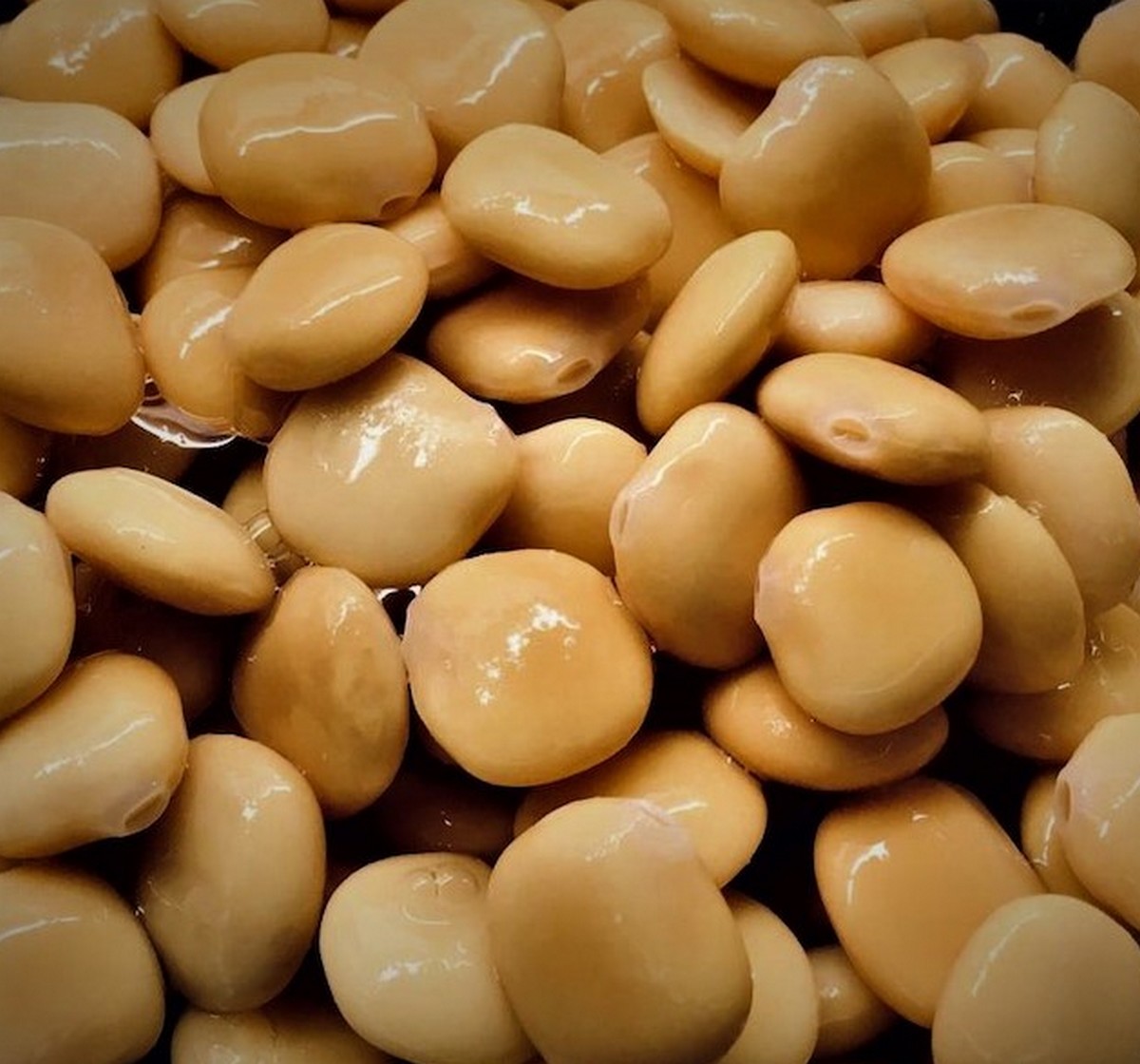
Lupins are a gluten-free plant protein, rich in prebiotics and low in carbohydrates. A lupin is a legume seed related to chickpeas, lentils, peas, peanuts, and soybeans. Thanks to their lack of flavor and rather bland appearance when raw, lupins have been slow to make the superfood list, but they are definitely a healthy option to consider.
A Thai researcher in science and nutrition who is co-author of at least two scientific research papers on Australian lupins confirms their exceptional nutritional value and health benefits. The high level of oligosaccharides also indicates that lupins are suitable as a functional food with a prebiotic effect, promoting the growth of good bacteria and strengthening gut health.
Nutritional value and benefits of lupins
- Lupins have surpassed several well-known cereals and superfoods. Lupin kernels contain up to 40% protein, three times more than quinoa. Thanks to this high protein level, lupins can be a good source of plant protein for growing children, health-conscious individuals, and those building muscle.
- Lupins are also rich in dietary fiber, containing 37 percent, about three times more than oats.
- Lupins have the lowest glycemic index (GI) among the most frequently consumed cereals. Lupins help slow down sugar absorption into the bloodstream and can therefore balance blood glucose levels in diabetics and those with pre-diabetes.
- Lupins are naturally gluten-free, making them a safe snack for those allergic to gluten or suffering from celiac disease.
- Lupins also perform well when it comes to minerals and vitamins. The legume contains more iron than kale, more potassium than bananas, and more magnesium than spinach.
With all these nutritional benefits, lupins have caught the interest of dietitians and consumers and have become an interesting food choice for health-conscious people, especially those who prefer a plant-based diet.
- Lupins because they not only taste good but also meet the growing demand for plant-based proteins.
- Lupins are also good for the gut thanks to their high fiber content.
- An in vitro study has found that lupins were linked to increased generation of short-chain fatty acids in the gut, also increasing the population of good intestinal bacteria.
- Lupin flakes have a unique combination of plant proteins and low-carb prebiotic fibers, gluten-free, with high levels of essential amino acids and bioavailable minerals”
- Ideal to improve health issues arising from today’s modern diet, such as diabetes, hypertension, gut health, and cardiovascular health
Lupins can be eaten raw or cooked. In South America, they are often soaked in salt and eaten raw as a snack, or roasted and eaten like peanuts.