For thousands of years, our ancestors have used herbs for the health of the immune system. Herbs kept us healthy, safe from infections, and were the foundation of all medicine. Of all the herbal remedies that withstand the test of time, we have discovered that several should be found in all our medicine cabinets.
Have you ever noticed that some of your friends or family members get sick all the time, while others never do? There are many reasons why this happens, including genetics, environment, diet, and lifestyle habits. Here are eight essential nutrients, including herbs for immune system health that can boost your overall immunity.
Because all these individual scenarios point to one common thread: something is hindering the immune system from functioning as it should.
Think of a leaking roof. Over time, these small leaks lead to major flooding and damage to the house or your body. The good news is that several vital nutrients can fill in the gaps to optimize immune system health. These eight nutrients are well supported by research and many have been used for hundreds of years in traditional medicine.
1. Echinacea
Echinacea, a flowering plant, has a long history of benefits in supporting the immune system. Echinacea can help increase the number of immune system cells that fight viruses and other infections, reducing inflammation. It seems to work better if taken consistently (rather than only when you think you are getting sick). Echinacea has been well studied for its effectiveness in reducing upper respiratory tract infections.
One study found that when a group of people who described themselves as more prone to illness consistently took echinacea, they were less likely to catch a cold. When they did, the duration of illness decreased. Another meta-analysis found that daily intake of an echinacea supplement reduces the frequency of catching colds. It also slightly reduced the duration of illness even when taken only at the onset of symptoms.

2. Bupleurum Root
Although less common in Western immune support therapies, Bupleurum o Chaihu is highly regarded in Traditional Chinese Medicine (TCM) for improving energy flow (qi) by supporting the liver and for its immunostimulant power. Bupleurum is an herb that mainly grows in China with more than twenty different species.
In TCM, Chaihu is used for many conditions, including treating chills or fever and the common cold. It has been studied for its ability to inactivate certain viruses and can upregulate the immune system. Interestingly, Bupleurum may also induce autophagy in the body. Autophagy is the way the body cleanses itself of old and damaged cells. It usually occurs only during fasting or ketosis. Autophagy can also make room for new, more robust immune cells.

3. Licorice Root
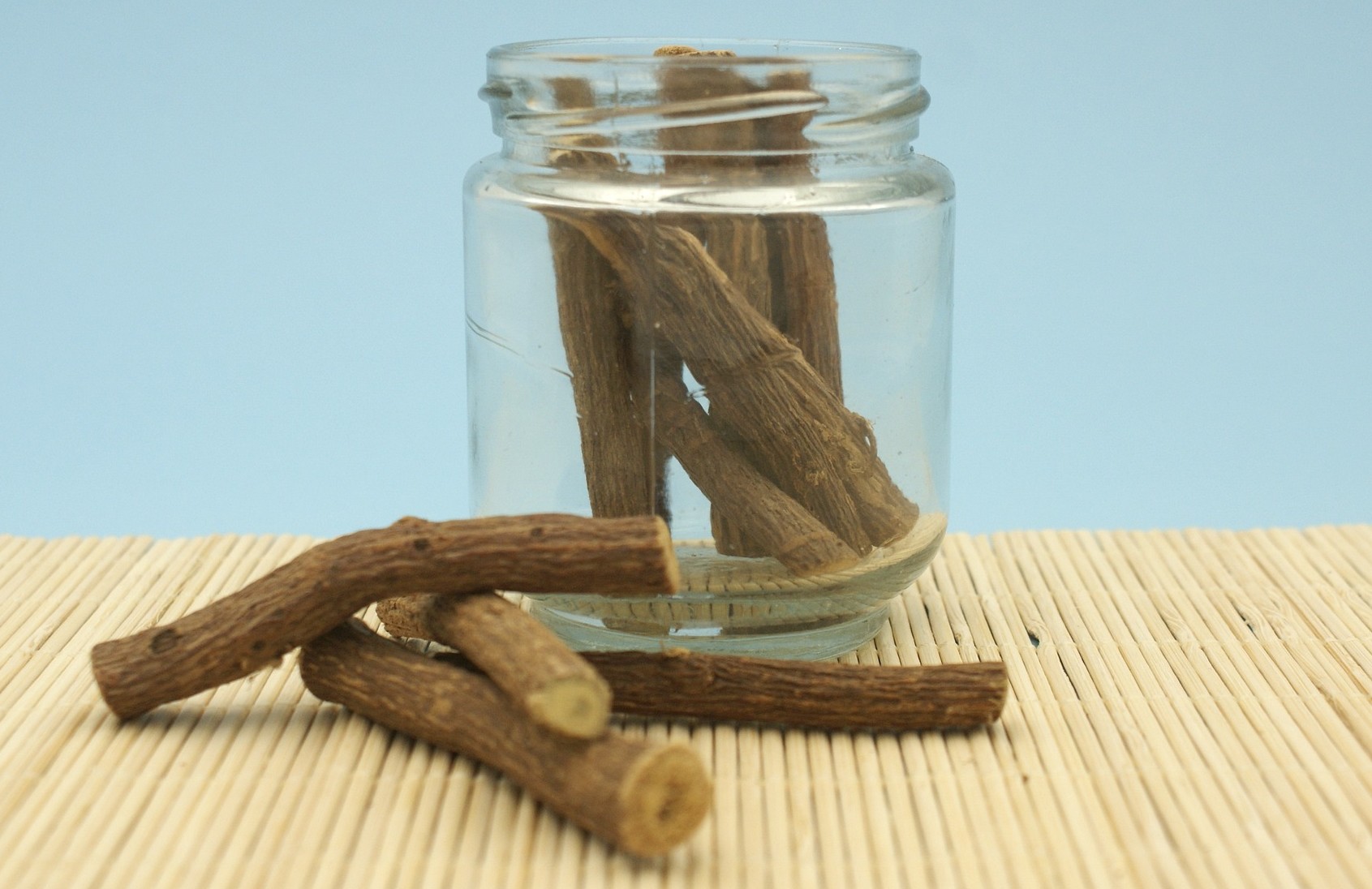
Since ancient Egyptian times, licorice has been used for its role in digestion, energy balance, and the immune system. It is potent enough to interact with some medications. Licorice contains hundreds of flavonoids (natural compounds found in plant foods known for their health benefits).
Studies highlight the essential health benefits they provide to our immune system, including antiviral, antimicrobial, and anti-inflammatory actions. Licorice may also inhibit inflammatory cytokines, which are chemical messengers that promote inflammation in the body.
4. Elderberry Berries
Elderberry has become more widespread in recent years as an immune support nutrient. However, many people do not know why it is useful. The elderberry berry, dark purple in color, increases the immune system’s ability to fight viruses by stimulating the immune system. Elderberry is naturally rich in antioxidants that fight free radical damage. It has antiviral properties that help block viral proteins from entering cells.
Studies have also shown it can reduce the severity of flu symptoms while shortening the duration of illness. One study found that elderberry reduces the time and severity of cold symptoms. Elderberry may also help stimulate and balance cytokines necessary to boost the immune response.

5. Astragalus Root
Another herb of TCM, astragalus has been used for centuries for its immune support, anti-aging, and inflammation balancing benefits. One study found that astragalus activated immune cells even more than echinacea and licorice. An animal study also found that astragalus improved immune response in older mice to a response usually seen in younger animals, indicating the herb’s immune-restorative properties.
Astragalus also has anti-inflammatory properties. A study examining its effects on asthma found that an astragalus extract helped inhibit airway inflammation in animal models. Asthma is considered an inflammatory condition, highlighting once again the anti-inflammatory benefit of astragalus.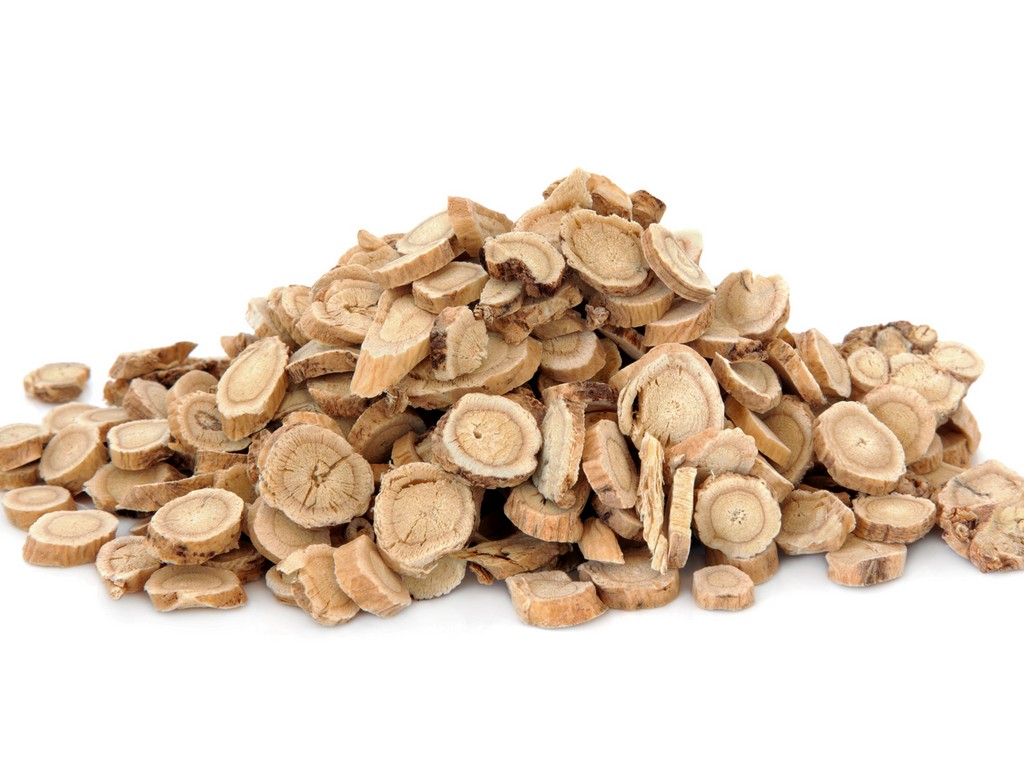
Astragalus Root
6. Ginkgo
Ginkgo is typically associated with cognitive health, but its benefits extend to immune support. It is known to be rich in flavonoids e antioxidants, which help combat damage from free radicals in the body. It has been found that one of the ginkgo compounds studied for its immune-supporting properties increases the number of critical immune cells. Another study showed that ginkgo significantly reduced the number of inflammatory markers present in the body, particularly those associated with aging.

7. Zinc
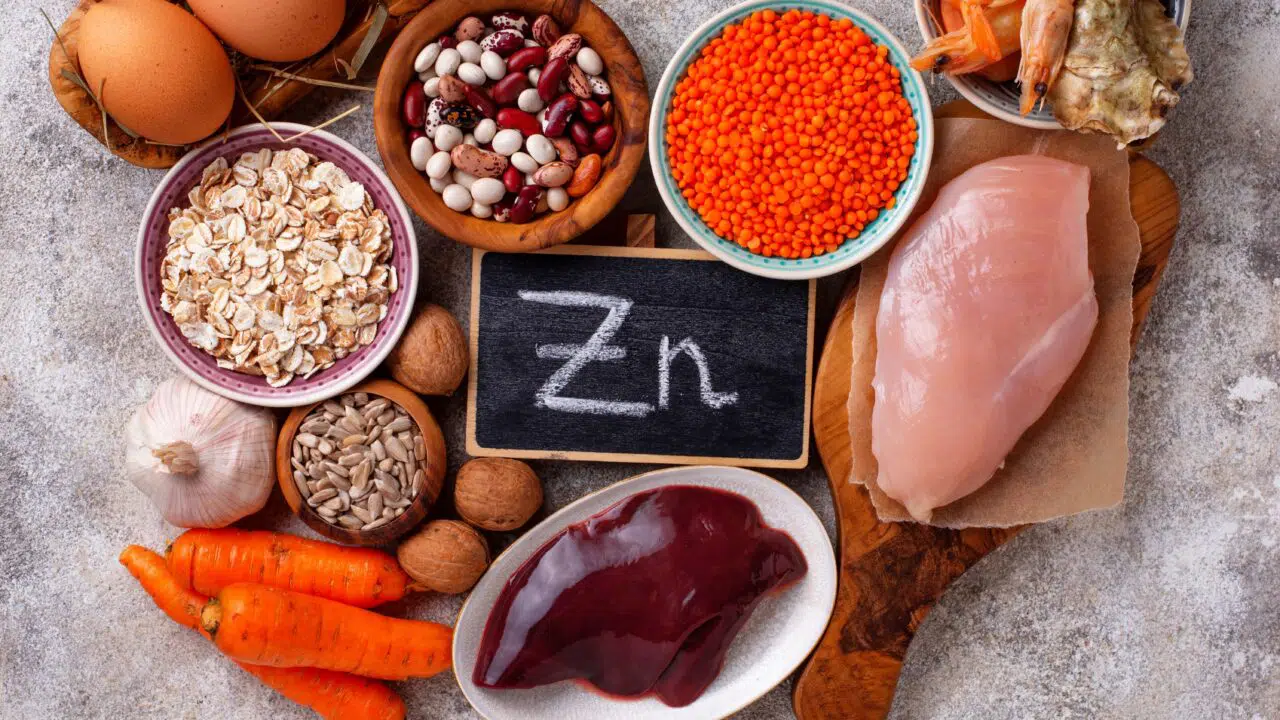
When it comes to immunity, zinc is one of the best nutritional choices. Zinc, an essential micronutrient, is a powerful antioxidant that facilitates hundreds of enzymatic reactions in the body. Through its antioxidant capabilities, zinc reduces inflammation and helps strengthen immunity, which is why zinc deficiencies can have such a negative impact on the body. Zinc is widely used both in acute care and in the holistic health world for its role in protein synthesis, wound healing, and reducing infection risk and illness duration.
Without optimal zinc levels, the immune system is at a disadvantage as it is necessary for optimal functioning of immune cells. Studies have found that zinc supplementation can help reduce oxidative stress and inflammatory markers in the body. Research on zinc supplementation has clarified that high doses can also reduce the length of illness, helping you feel better quickly if you get sick. Taking it at the first sign of a cold can also help activate the immune system to fight it before symptoms progress.
8. Vitamin C
Vitamin C, essential for the human body, is probably the best-known among supplements that boost the immune system. Specifically, ascorbic acid, a form of vitamin C, is crucial for tissue repair and the development of enzymes that support the body’s immune response. Vitamin C is a powerful antioxidant that removes free radicals in the body and protects against oxidative stress. Studies show that vitamin C can reduce the duration of illness. High doses at the beginning of illness can also be helpful.

This article was taken from naturallivingfamily.com. It does not in any way replace medical consultation with doctors to whom you should turn. It is not a medical-scientific disclosure.