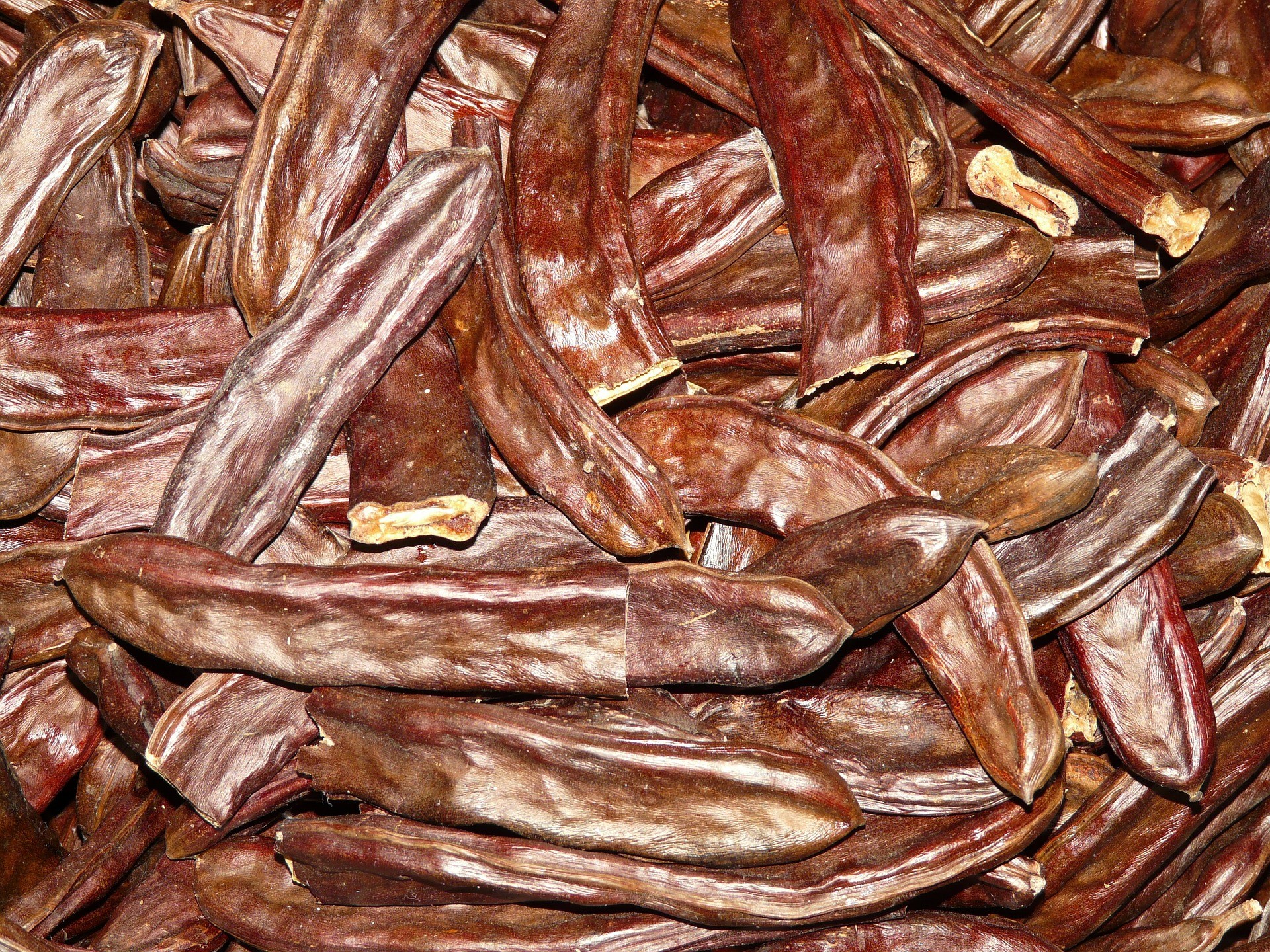
The carob is a very nutritious legume that can compete with cocoa, but it has a very low fat content of only 1%. Therefore, it is widely used to replace cocoa in a variety of dishes. Additionally, it offers us a variety of benefits when consumed in different ways, as it has a very rich nutritional composition.
This legume produces pods that are green at first and dry and flatten as they mature. Inside these pods are the carob seeds, which are the ones consumed in various ways.
- The tree bark is astringent, anti-inflammatory, and anti-rheumatic.
- The carob pulp shares the astringent properties of the bark, and is also antidiarrheal and digestive. Its high pectin content also makes it bactericidal, antiviral, coagulant, antitumoral, and a good remedy against cholesterol.
- The carob pulp also helps to slim and satiate.
- Carob seed flour has an anti-regurgitation effect in children.
Main benefits and uses of carob
- Carob flour does not contain gluten, so it is suitable for celiacs.
- Diabetics can also benefit from its consumption, as its high fiber and protein content help reduce blood sugar levels after meals. However, since it also contains carbohydrates, this must be taken into account to better adjust insulin doses. If you are diabetic and want to consume carob, consult your doctor first about how to include it in your diet specifically.
- Those undergoing weight loss will find that this legume allows the preparation of sweet products without large amounts of sugar, thus indulging in a small treat that helps make the diet more bearable—all without a high calorie intake.
- Carob flour, obtained from the seed, is widely used in the food industry, especially in the production of ice cream and pastries, as it is an excellent thickener. Furthermore, carob as a chocolate substitute is also a great low-fat option.
- Consuming carob powder helps reduce blood cholesterol levels, especially those considered bad cholesterol, thanks to its high tannin content.
- Carob can also be used to treat diarrhea. It is useful in diarrhea caused by viruses or bacteria, since once consumed, its bactericidal and virucidal effects are evident in our intestines. It also contains fibers that aid in the recovery of intestinal transit.
- Carob cream is a proven remedy against vomiting and regurgitation in children. Its consumption helps little ones reduce the number of regurgitations without affecting digestive processes.
How to consume carob
Carob can be consumed in different ways. It comes in the form of toasted powder or carob flour. It can be consumed simply by adding the flour to hot liquids, as it is soluble in them. This is useful for preparing sauces or even beverages. If we need to add it to a cold liquid, it is advisable to add a little at a time and stir until it becomes a paste before adding the rest.
Putting carob flour in a spice jar is a great way to add it to hot milk as a natural substitute for cocoa.
In baking, it can be used to make sweets and cakes. These will have a darker color than usual and an intense flavor. To get accustomed to the taste, we can introduce it in small amounts which we can increase as desired.
There is also the option to eat raw carob. Since it is a superfood, it is particularly appreciated by followers of raw or uncooked diets. For this, we need to look for whole or ground carob that has not been toasted.
CContraindications of carob
- Those allergic to nuts may have problems consuming it, so it is better to avoid it.
- It is recommended that people with anemia avoid consuming carob.
- As a possible side effect of this legume, it should be noted that due to its high fiber content, it can cause flatulence if consumed in large amounts. Nonetheless, it is not a serious problem beyond occasional discomfort.