
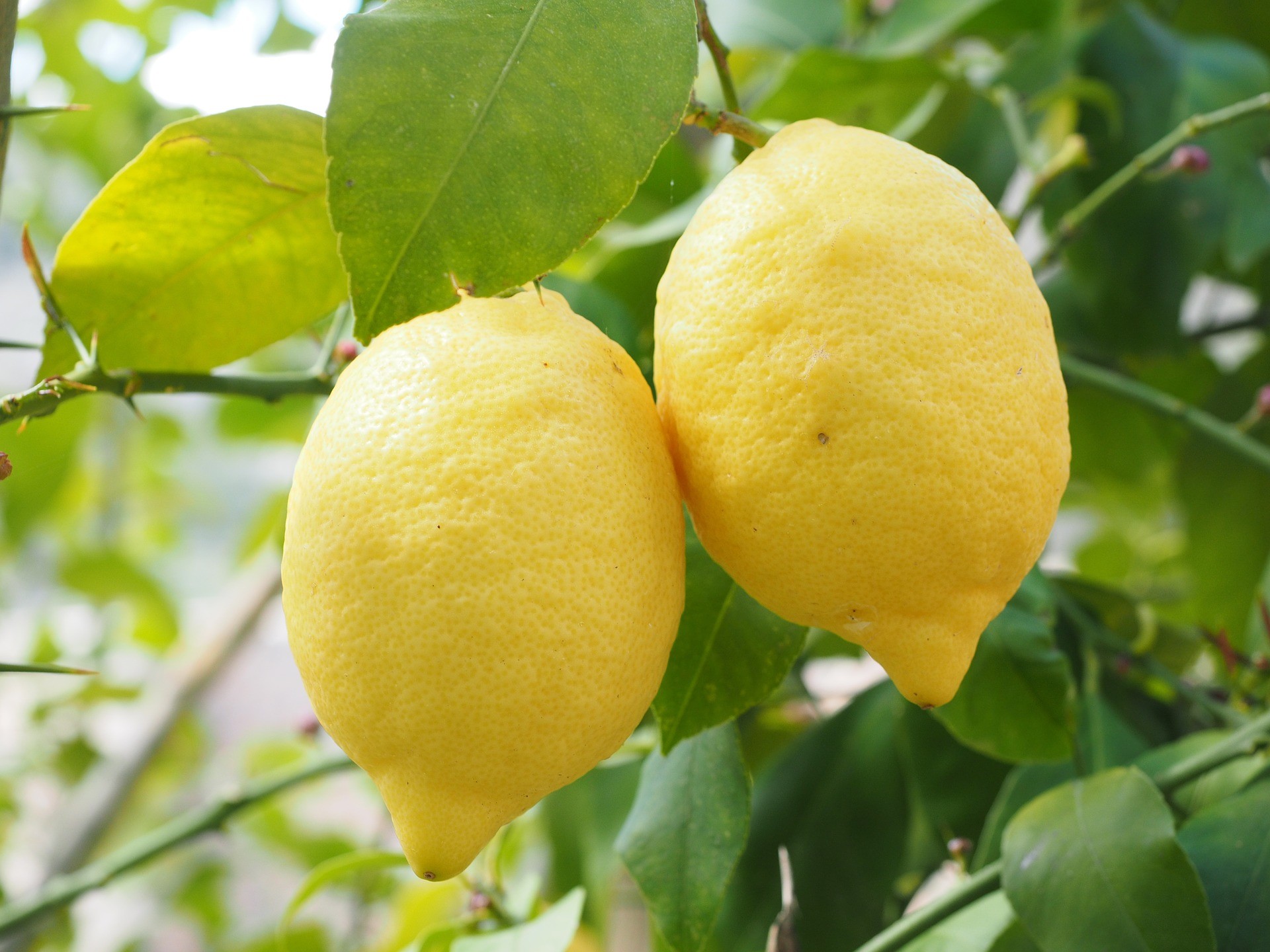
The lemon tree is known for its variety. The fruit can be eaten in various ways: the pulp, squeezed, as drinks, sorbets, pastries, etc. The lemon is considered an antimicrobial spectrum against bacterial infections and fungi, effective against internal parasites and worms, regulates high blood pressure, is an antidepressant, fights stress and nervous disorders.
It seems to be native to India but this fact is not certain because the word limun, in Arabic, indiscriminately refers to all citrus fruits. It could be that in ancient times the lemon and its properties were already known to the Arab people and called, along with all other citrus fruits, by the name limun. An almost unique characteristic of the lemon is that it has the ability to continuously flower, so it is possible to see flowers, unripe and ripe fruits on the same lemon tree simultaneously.
Thanks to this, lemon production is present all year round, with a slowdown during the colder months. Unlike other citrus fruits, lemons can ripen even after being detached from the tree and very often lemons are picked while still green, treated with a fungicidal process, waxed and shipped to foreign markets, where they will then be treated to ripen. For this reason, it’s always better not to consume their peel, unless you are sure they come from organic farming.
Properties therapeutic properties of lemon
The main properties of lemon in popular culture would lie in its high vitamin C content; 100 g of fresh fruit (just picked) contains 50 g of vitamin C. This vitamin, so important for our health, degrades very quickly and refrigeration certainly cannot maintain it intact 100%. Besides vitamin C, lemon contains: sucrose, glucose and fructose (immediately assimilable sugars), minerals, calcium, phosphorus, iron, manganese, copper and other important vitamins from groups B and A.
Lemon presents itself as an excellent antiseptic and bactericide, but not only that: it is also a valid aid for those with low immune defenses as it can increase the production of white blood cells. It is also refreshing, detoxifying, and calming. It is excellent against rheumatic pains and serves well as a shield against high blood pressure.
It is particularly indicated also for those who suffer from anemia and is a good gastro-hepatic-pancreatic stimulator. Also regarding diabetes treatment, this fruit has proven to be an excellent deterrent. Some recent American studies have highlighted that lemon, if taken regularly and in the right doses, could also have a preventive action against cancer of the intestine, stomach, and pancreas.
Lemon has detoxifying purifying properties for the body, and its regular consumption, preferably in the morning on an empty stomach, helps regulate the intestines and even fights cellulite. It is interesting the use of a substance contained in lemon, called limonene, which is successfully employed for the destruction of gallstones and has recently become famous because, according to recent American studies, if taken regularly, it would have preventive antitumor properties, especially regarding the pancreas, stomach, and intestine.
Lemon is highly recommended against nausea, diarrhea, and especially for those who need to strengthen their immune defenses; its fresh juice has the property of preventing arteriosclerosis, benefits the liver, pancreas, and blood, promoting its fluidity. Lemon, when really fresh, just picked, besides being remineralizing and antianemic, is a good activator of organic defenses and an excellent disinfectant.
Finally, this fruit is also an effective natural moth repellent: it is enough to hang a few cloth bags containing dried lemon peels in wardrobes to keep moths away.
Particularly used in aromatherapy (an alternative medicinal form based on the use of essential plant oils to treat pain, stress, depression, and regulate various bodily functions), lemon was used for this purpose already by the ancient Egyptians, who employed its juice to treat dermatitis. Aromatherapy experts explain that essences (in this case those of lemon) act directly on the nervous and endocrine systems, also improving mood as the aromatic molecules, reaching the cerebral cortex, induce a pleasant feeling of balance and well-being, which compensates for any anxiety and stress situations.