
Have you ever wondered that, despite the sun shining high in the sky, Vitamin D3 deficiency might be a widespread problem? In this article, we will explore together the fundamental benefits of this vitamin for your health and give you practical advice on how to ensure you get enough of it, both through diet and sun exposure. Discover how to take care of yourself naturally and effectively!


What is Vitamin D3 and why is it important for our body?
Vitamin D3, also known as cholecalciferol, is a fat-soluble vitamin essential for the proper functioning of our body. It is commonly associated with bone health, but its role goes far beyond this aspect.
Importance of Vitamin D3
Vitamin D3 performs several vital functions in our body:
- Calcium absorption: Vitamin D3 helps the body absorb calcium from food, essential for the health of bones and teeth.
- Immune system regulation: Vitamin D3 is involved in regulating the immune system, helping to fight infections and diseases.
- Support for cardiovascular health: recent studies have highlighted the role of Vitamin D3 in maintaining the health of the heart and blood vessels.
- Benefits for mental health: optimal levels of Vitamin D3 are associated with better mental health and a reduced risk of depression.
Benefits for general health
Vitamin D3 supplementation can bring numerous benefits to overall health:
- Improvement of bone density: Vitamin D3 contributes to bone health, reducing the risk of osteoporosis.
- Reduction of inflammation: Vitamin D3 can help reduce inflammation in the body, improving joint health.
- Greater resistance to infections: an adequate level of Vitamin D3 can improve the body’s immune response, reducing the risk of infections.
- Optimal mental health: adequate levels of Vitamin D3 are associated with better cognitive function and a lower likelihood of developing psychological disorders.
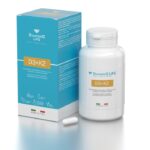
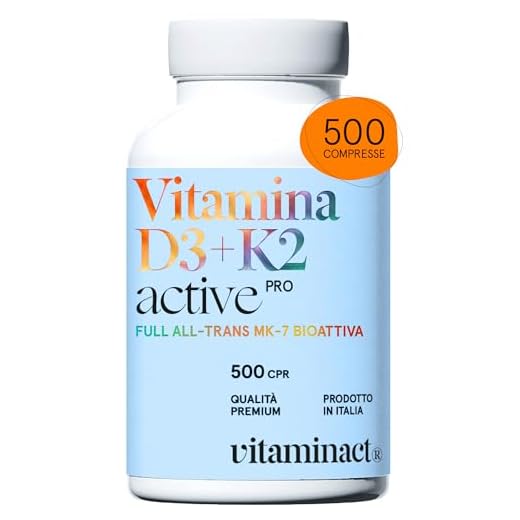
Recommended Vitamin D3 supplements
Some proven effective Vitamin D3 supplements are:
- Solgar Vitamin D3: package of 1000 IU for easy daily intake.
- Nutrimea Vitamin D3: high-concentration supplement for a rapid increase in Vitamin D3 levels.
- Nature’s Bounty Vitamin D3: liquid form supplement for greater bioavailability.
Always make sure to consult a doctor before starting any Vitamin D3 supplementation to determine the dosage best suited to your specific needs.


Foods rich in Vitamin D3 to include in your diet
Vitamin D3 is an essential nutrient for bone health, the immune system, and the proper functioning of many bodily functions. Including foods rich in Vitamin D3 in your diet is fundamental to ensure an adequate supply of this valuable nutrient. Let’s discover together which foods are richest in Vitamin D3 and how to include them in your daily nutrition.
Natural sources of Vitamin D3
Fatty fish
- Salmon: one of the best sources of Vitamin D3, especially wild salmon.
- Mackerel: rich in Omega-3 and Vitamin D3.
- Anchovies: a great source of Vitamin D3, to be consumed fresh or as anchovies in oil.
Egg yolk
Mushrooms
- Sun-exposed mushrooms: mushrooms have the ability to synthesize Vitamin D3 when exposed to sunlight. Opt for organic mushrooms or those exposed to UV light for a higher Vitamin D3 content.
How to include foods rich in Vitamin D3 in your diet
- Lunch: prepare a salad with smoked salmon, hard-boiled eggs, and sun-exposed mushrooms.
- Dinner: opt for a grilled salmon fillet with a side of vegetables and mushrooms.
- Snacks: enjoy anchovies in oil as a healthy, Vitamin D3-rich snack.
Practical tips
- Purchase wild or sustainably sourced salmon to ensure an optimal supply of Vitamin D3.
- Choose organic eggs from local farms for a quality product rich in nutrients.
- Check the origin and cultivation method of mushrooms to ensure a high Vitamin D3 content.
Don’t forget to pair foods rich in Vitamin D3 with a balanced diet and an active lifestyle to maximize their health benefits. Enjoy your meal and good health!



Sun exposure and natural synthesis of Vitamin D3
The importance of sun exposure
Sun exposure is fundamental for the natural synthesis of Vitamin D3 in our body. This vitamin plays a crucial role in maintaining bone health, the immune system, and even in the prevention of certain diseases.
Mechanism of Vitamin D3 synthesis
When our skin comes into contact with sunlight, ultraviolet B (UVB) radiation activates the production of Vitamin D3 at the skin level. This process is essential to ensure adequate levels of this vitamin in our body.
How much exposure time is necessary?
The amount of sun exposure time necessary for proper Vitamin D3 synthesis depends on various factors, including skin type, time of day, and geographic latitude. However, in general, exposing yourself to the sun for about 10-30 minutes a day, with most of the body uncovered, can be sufficient to meet the daily Vitamin D3 requirement.
Vitamin D3 supplements
In case of difficulty obtaining an adequate amount of Vitamin D3 through sun exposure, it is possible to resort to specific supplements. Brands such as Solgar, Now Foods e Nature Made offer high-quality supplements that can help maintain optimal levels of Vitamin D3 in the body.
Cases where it may be necessary to use Vitamin D3 supplements
Vitamin D3 is essential for bone health, the immune system, and the proper functioning of various physiological processes. However, some people may not get enough vitamin D3 through sun exposure or diet. Here are some cases where it may be necessary to consider taking Vitamin D3 supplements:
- Lack of sun exposure: people who spend most of their time indoors or live in areas with little sunlight may not synthesize enough vitamin D3.
- Diet poor in vitamin D3: individuals with diets limited in foods rich in vitamin D3, such as fatty fish, eggs, and dairy, may not consume enough of this vitamin.
- At-risk groups: elderly people, young children, pregnant or menopausal women may have an increased need for vitamin D3.
- Particular lifestyles: athletes, people with obesity or specific medical conditions may require greater supplementation of vitamin D3.
Advice for the correct intake of Vitamin D3 supplements
To ensure proper use of Vitamin D3 supplements, it is important to follow some guidelines:
- Consult a health professional: before starting any supplementation, it is advisable to consult a doctor or dietitian to assess the real need and determine the appropriate dose.
- Choose quality supplements: opt for reliable brands and high-quality products to ensure product efficacy and safety.
- Follow the recommended doses: respect the recommended doses to avoid overdoses or deficiencies of vitamin D3.
- Take with foods containing fat: vitamin D3 is fat-soluble, so it may be better absorbed if taken with foods containing fat.
- Monitor vitamin D3 levels: it is advisable to carry out regular checks to assess blood levels of vitamin D3 and adjust supplementation accordingly.
Examples of Vitamin D3 supplements on the market
To help you choose a good Vitamin D3 supplement, here are some popular products on the market:
- Solgar Vitamin D3: high-quality supplement with variable dosages to meet different needs.
- Nature Made Vitamin D3: renowned brand for the quality of its supplements, suitable for different age groups.
- Now Foods Vitamin D3: an affordable yet effective product, ideal for those looking for a cost-effective option.
Always remember to follow the manufacturer’s instructions and consult a health professional before starting any vitamin D3 supplementation.
Maximize your Vitamin D3 intake for optimal health
In conclusion, ensuring you get enough Vitamin D3 is essential for overall health. It is important to combine a balanced diet with moderate sun exposure to ensure optimal levels of Vitamin D3 in the body.
Frequently asked questions about vitamin D3
How to reconcile the need to expose oneself to the sun to obtain vitamin D3 with the precautions to take to protect the skin from sun damage?
To reconcile the need to obtain vitamin D3 by exposing yourself to the sun and protect your skin from sun damage, it is advisable to expose yourself to the sun during times of the day when UV rays are less intense, such as early morning or late afternoon. Also, always use a sunscreen with an appropriate protection factor for your skin type and reapply it regularly, especially after bathing or sweating. Wearing protective clothing, sunglasses, and wide-brimmed hats can help reduce direct sun exposure. Remember that it is important to balance the need for vitamin D with skin protection to prevent long-term damage.
Which foods are rich in vitamin D3 and can help meet the daily requirement?
The foods richest in vitamin D3 are mainly the following:
- Fatty fish such as mackerel, salmon, herring, and sardines.
- Egg yolk.
- Animal liver.
- Cheeses such as gruyère and pecorino.
- Mushrooms exposed to sunlight.
These foods can help meet the daily requirement of vitamin D3. However, it is important to consider that sun exposure is the main source of this vitamin. It is always advisable to check with a health professional to determine individual needs.
Are there risks associated with excessive consumption of vitamin D3 supplements?
Yes, there are risks associated with excessive consumption of vitamin D3 supplements. Too high an intake of vitamin D3 can lead to an excessive accumulation of calcium in the blood, causing hypercalcemia. This can cause symptoms such as nausea, vomiting, weakness, fatigue, and kidney problems. In extreme cases, excessive intake of vitamin D3 can lead to permanent damage to internal organs. It is always recommended to consult a doctor before taking vitamin D3 supplements to assess real needs and avoid health risks.
Which categories of people might need to supplement their diet with vitamin D3?
The categories of people who might need to supplement their diet with vitamin D3 are mainly:
- Elderly people: as age advances, the skin’s ability to synthesize vitamin D decreases, increasing the risk of deficiency.
- People with dark skin: the higher amount of melanin in the skin reduces vitamin D synthesis in response to sunlight, making deficiency more common in individuals with darker skin tones.
- Individuals who spend little time outdoors: those who spend most of their time indoors or who cover their bodies completely for cultural or religious reasons may not get enough sunlight to adequately produce vitamin D.
- Growing children: since vitamin D is essential for bone growth and development, growing children need adequate amounts of this vitamin.
To determine if you need to supplement your diet with vitamin D3, we recommend consulting a doctor or nutritionist.
What are the health benefits associated with an adequate level of vitamin D3 in the body?
An adequate level of vitamin D3 in the body brings numerous health benefits. Vitamin D3 helps absorb calcium, contributing to the health of bones and teeth. Additionally, it plays an important role in the immune system, helping fight infections and inflammations. A proper amount of vitamin D3 is also essential for heart health, brain function, and regulating blood sugar levels. Remember to expose your skin to the sun to promote natural vitamin D3 production or to supplement it through diet or supplements, always under medical supervision.
How much sun exposure is necessary to synthesize an adequate amount of vitamin D3?
The amount of sun exposure needed to synthesize an adequate amount of vitamin D3 depends on various factors, including skin tone, time of day, season, latitude, and use of sunscreen. However, generally, exposing yourself to the sun for about 10-30 minutes a day, at least twice a week, can be sufficient for vitamin D3 synthesis. It is important to consult your doctor or a health professional to determine the most suitable sun exposure time for your specific needs.
To balance the need to get vitamin D3 by sun exposure and protect your skin from sun damage, it is advisable to expose yourself to the sun at times of day when UV rays are less intense, such as early morning or late afternoon. Also, always use sunscreen with an SPF appropriate for your skin type and reapply it regularly, especially after swimming or sweating. Wearing protective clothing, sunglasses, and wide-brimmed hats can help reduce direct sun exposure. Remember, it is important to balance the vitamin D need with skin protection to prevent long-term damage.
Which foods are rich in vitamin D3 and can help meet the daily requirement?
The foods richest in vitamin D3 are mainly the following:
- Fatty fish such as mackerel, salmon, herring, and sardines.
- Egg yolk.
- Animal liver.
- Cheeses such as gruyère and pecorino.
- Mushrooms exposed to sunlight.
These foods can help meet the daily vitamin D3 requirement. However, it is important to consider that sun exposure is the primary source of this vitamin. It is always advisable to check with a health professional to determine individual needs.
Are there risks associated with excessive consumption of vitamin D3 supplements?
Yes, there are risks associated with excessive consumption of vitamin D3 supplements. Taking too much vitamin D3 can lead to an excessive accumulation of calcium in the blood, causing hypercalcemia. This can cause symptoms like nausea, vomiting, weakness, fatigue, and kidney problems. In extreme cases, excessive intake of vitamin D3 can lead to permanent damage to internal organs. It is always recommended to consult a doctor before taking vitamin D3 supplements to assess actual needs and avoid health risks.
What categories of people might need to supplement their diet with vitamin D3?
The categories of people who might need to supplement their diet with vitamin D3 are mainly:
- Elderly people: as age advances, the skin’s ability to synthesize vitamin D decreases, increasing the risk of deficiency.
- People with dark skin: the higher amount of melanin in the skin reduces vitamin D synthesis in response to sunlight, making deficiency more common in individuals with darker skin tones.
- Individuals who spend little time outdoors: those who spend most of their time indoors or who cover their bodies completely for cultural or religious reasons may not get enough sunlight to adequately produce vitamin D.
- Growing children: since vitamin D is essential for bone growth and development, growing children need adequate amounts of this vitamin.
To determine if you need to supplement your diet with vitamin D3, we recommend consulting a doctor or nutritionist.
What are the health benefits associated with an adequate level of vitamin D3 in the body?
An adequate level of vitamin D3 in the body brings numerous health benefits. Vitamin D3 helps absorb calcium, contributing to the health of bones and teeth. Additionally, it plays an important role in the immune system, helping fight infections and inflammations. A proper amount of vitamin D3 is also essential for heart health, brain function, and regulating blood sugar levels. Remember to expose your skin to the sun to promote natural vitamin D3 production or to supplement it through diet or supplements, always under medical supervision.
How much sun exposure is necessary to synthesize an adequate amount of vitamin D3?
The amount of sun exposure time needed to synthesize an adequate amount of vitamin D3 depends on various factors, including skin tone, time of day, season, latitude, and use of sunscreen. However, generally, exposing yourself to the sun for about 10-30 minutes a day, at least twice a week, may be sufficient for vitamin D3 synthesis. It is important to consult your doctor or a healthcare professional to determine the most suitable sun exposure time for your specific needs.