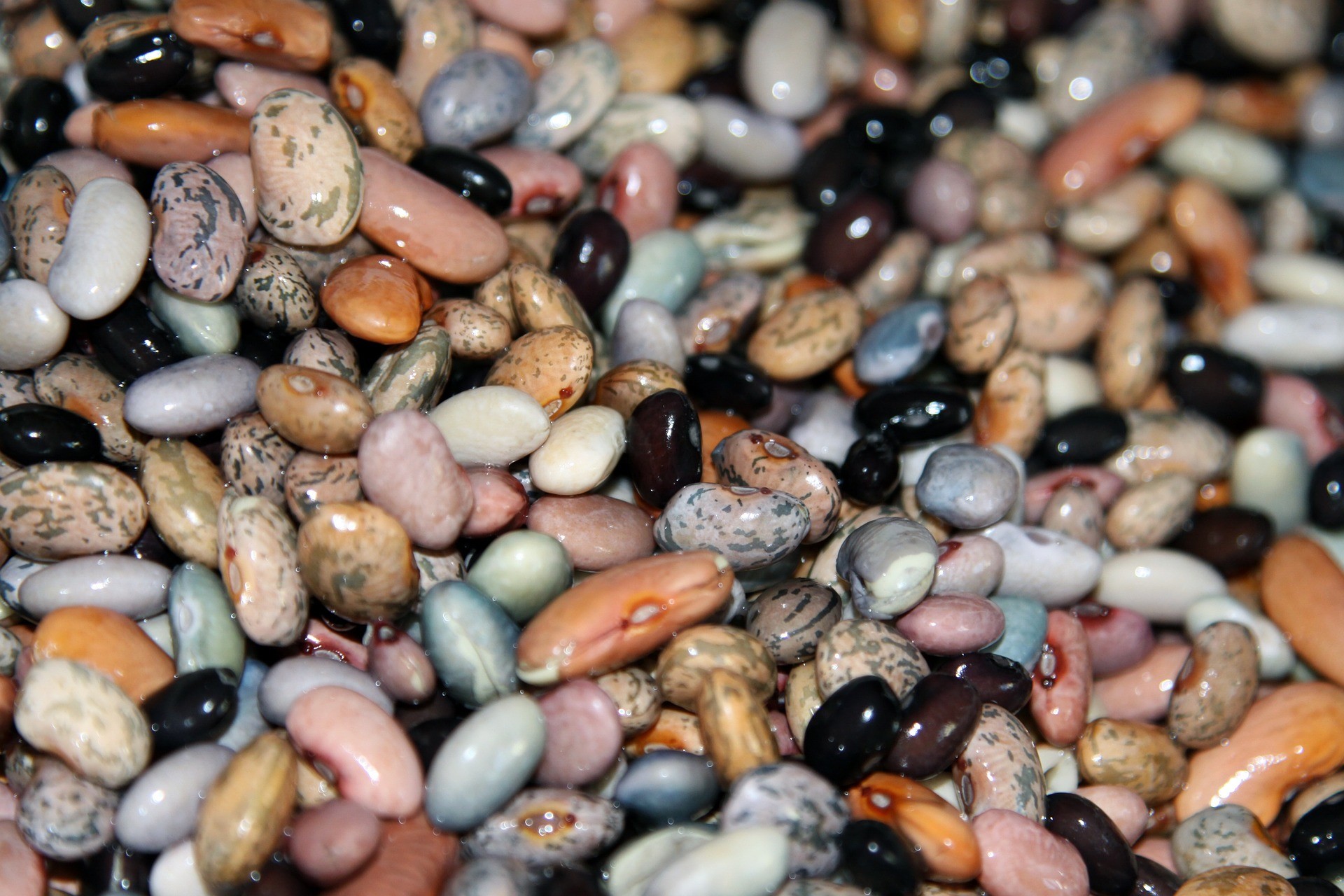
The bean is considered a superfood: rich in calcium, iron, potassium, and B vitamins, as well as about a quarter of the protein and half of the recommended daily fiber for adults, all in a single serving. According to the United States Department of Agriculture, beans can even lower LDL (“bad”) cholesterol levels, which may help improve heart health. Beans also play a dual role in the food pyramid as both a vegetable and a protein. Beans are easy to cook, widely available, and inexpensive.
Beans and their legume relatives (soy, chickpeas, and lentils) have been cultivated and eaten for centuries as part of many world cuisines: black beans hold a prominent place in Central American and Caribbean dishes, chickpeas are a staple of Middle Eastern cuisine, lentils are common in Indian and Persian recipes, and white beans are a fixture in French and Italian cookbooks.
Beans are rich in both complex carbohydrates and soluble fiber. They can cause gas when digested in the large intestine. Beans have such compelling nutritional benefits that they are worth experimenting with in your kitchen.
Studies have shown that people who eat more legumes have a lower risk of heart disease, and the phytochemicals present in beans may be partly responsible as they protect against it.
Nutritional properties and benefits of beans
- Beans contain a wide range of plant chemicals that fight cancer, particularly isoflavones and phytosterols, according to the AAmerican Chemical Society, and all can help reduce cancer risk.
- Beans provide the body with soluble fiber, which plays an important role in controlling blood cholesterol levels. The United States Department of Health and Human Services states that 5 to 10 grams of soluble fiber per day – the amount in 1/2 to 1 1/2 cups of navy beans – reduces LDL cholesterol by about 3-5 percent. Beans also contain saponins and phytosterols, which help reduce cholesterol.
- A serving of beans will help you feel full faster because the rich fiber content fills the stomach and causes a slower rise in blood sugar, according to a 2016 study in Experimental and Therapeutic Medicine. This should stave off hunger longer and give you a steady supply of energy.
- Beans are a superfood for people living with diabetes. Research has found that the balance between complex carbohydrates and protein provides a slow and steady source of glucose instead of the sudden spike that can occur after eating simple carbohydrates.