In this article “How to integrate essential amino acids into the daily diet” we explored the importance of these compounds for our body and aimed to provide readers with useful tips on how to consume them through diet. Additionally, we revealed a surprising fact: essential amino acids are so crucial for health that the human body cannot synthesize them on its own, making proper integration through nutrition essential.

Understanding essential amino acids
Identifying essential amino acids for the human body is crucial to ensure proper nutrition. Check food labels or consult reliable sources to pinpoint key amino acids like lysine, leucine, and methionine. Make sure to regularly include foods rich in these amino acids in your daily diet to meet your body’s needs.
You can find lysine in foods like meat, fish, dairy, and legumes, while leucine is abundant in meat, fish, dairy, and nuts. Methionine is found in foods like meat, fish, cheese, and eggs. Remember to vary your diet to ensure you get all the essential amino acids your body requires. Supplementing a balanced diet with these amino acids will help maintain health and overall well-being.


Foods rich in amino acids
List which foods are particularly rich in essential amino acids such as meat, fish, eggs, dairy, legumes, and seeds. These foods are fundamental to ensuring an adequate supply of essential amino acids, necessary for the proper functioning of your body. Make sure to regularly include these foods in your diet to maintain an optimal protein balance.
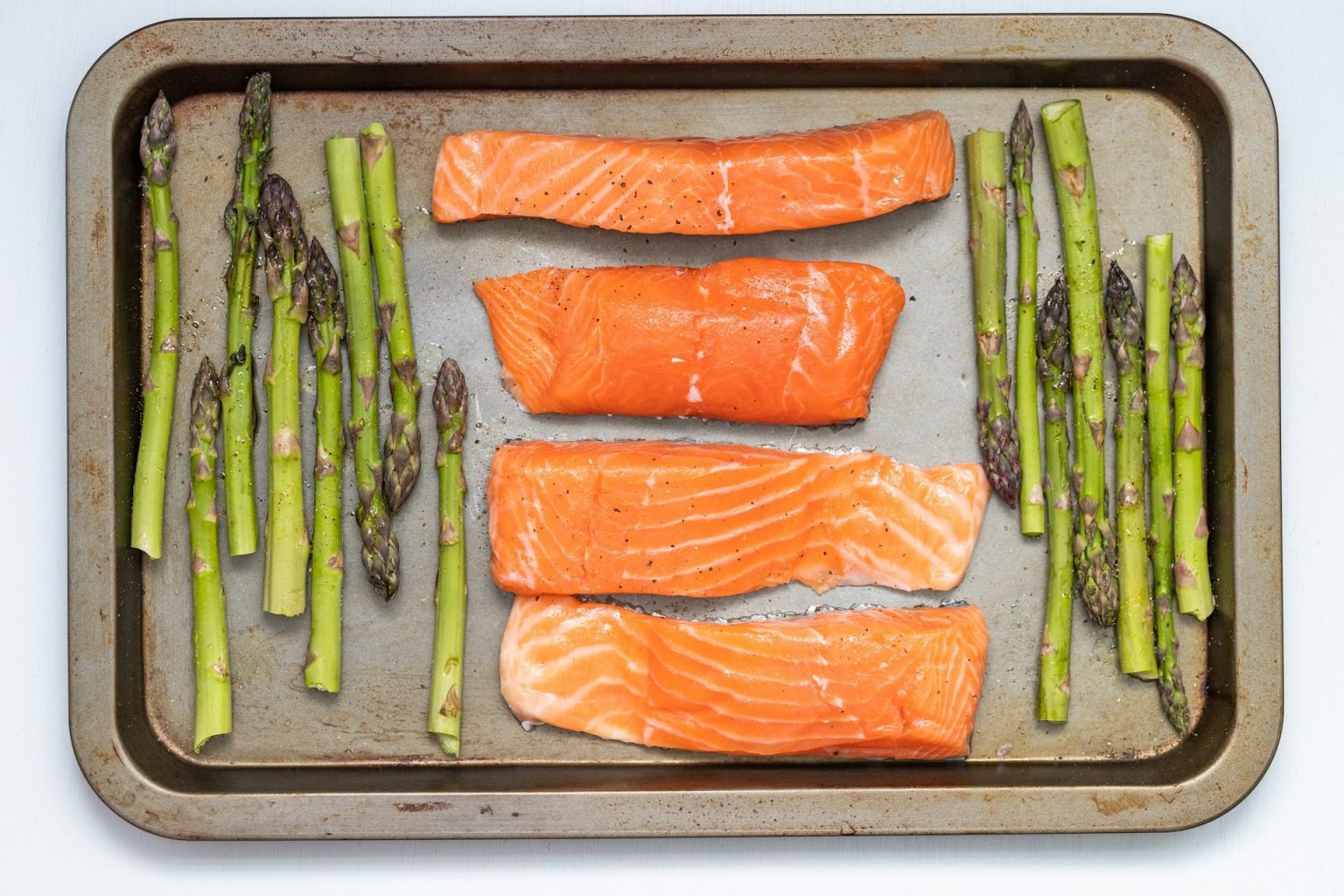
For a variety of protein and amino acid sources, consume meats like chicken, turkey, beef, and pork. Fish such as salmon, trout, and tuna is an excellent source of protein and essential amino acids, as well as providing beneficial omega-3 fatty acids for your health. Eggs are a complete source of protein and amino acids, perfect for supplementing your diet. Dairy products like milk, yogurt, and cheese are rich in high biological value proteins and essential amino acids. Legumes such as beans, lentils, and chickpeas are a great plant-based source of protein and amino acids, ideal for a balanced diet. Lastly, seeds like chia, flax, pumpkin, and sunflower are rich in amino acids, fiber, and healthy fats, perfect for enriching your dishes.
Meal planning
- Include in your diet a variety of foods rich in essential amino acids such as lean meat, fish, eggs, dairy, and legumes. Make sure to consume them regularly to ensure a sufficient intake of high-quality proteins.
- Plan your weekly meals so that at least one source of essential amino acids is included in each main meal. For example, if you have chicken for lunch, make sure to pair it with a side of vegetables and whole grains to ensure optimal nutritional balance.
Amino acid supplements
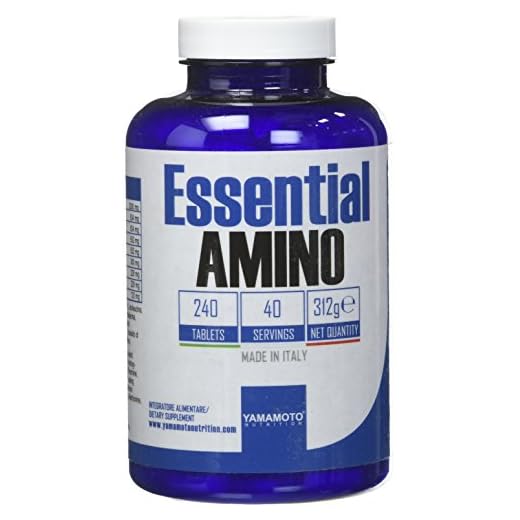
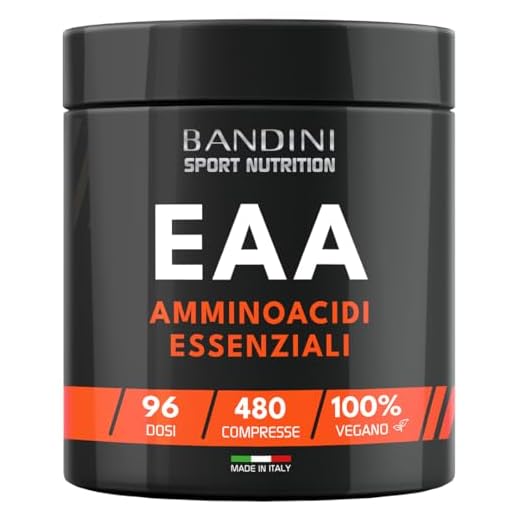
Carefully assess your need for essential amino acids by evaluating your current diet and lifestyle. If you engage in intense sports, follow a vegetarian or vegan diet, or are facing particular health conditions, you might need to supplement your diet with essential amino acids. Make sure to carefully evaluate your situation before making a decision.
Before supplementing your diet with essential amino acids, consult a health professional such as a nutritionist or a doctor. Only an expert can accurately assess your amino acid needs and advise you on whether supplementation is appropriate. Do not take supplements without the supervision of a health professional to avoid possible risks or imbalances in your nutrition.
Monitoring results
Keeping track of your intake of essential amino acids is fundamental to evaluate your well-being and physical performance. We recommend starting by noting down each day the amount of essential amino acids you consume through your diet. You can use a mobile app or simply an Excel sheet to record your consumption. For example, if you consume sources of amino acids such as meat, fish, eggs, or dairy, record the type and quantity of the consumed food.
Later, to assess any changes in your health and physical performance, keep a diary where you note any physical symptoms or variations in your performance during physical activity. For example, if you notice increased fatigue during training or slow recovery after physical effort, record details in the diary along with information about your amino acid intake. This will help you identify possible correlations between your diet and physical condition, allowing you to make any changes to improve your overall well-being.
Achieving nutritional balance
In conclusion, make sure to include sources of complete proteins in your diet to guarantee an adequate supply of all essential amino acids. Use a mix of plant and animal sources to maximize absorption and promote the general health of your body. Remember that a balanced diet is essential to provide your body with all the nutrients it needs to function properly. Enjoy your meal and good health!
Necessary Tools and Materials
- Foods rich in essential amino acids
- A weekly meal plan
- Amino acid supplements
- Kitchen scale
- Nutritional calculator
- Food diary


{“@context”:”https://schema.org”,”@type”:”HowTo”,”name”:”Come integrare gli aminoacidi essenziali nella dieta quotidiana?”,”supply”:[{“@type”:”HowToSupply”,”name”:”Alimenti ricchi di aminoacidi essenziali”},{“@type”:”HowToSupply”,”name”:”Un piano settimanale dei pasti”},{“@type”:”HowToSupply”,”name”:”Integratori di aminoacidi”},{“@type”:”HowToSupply”,”name”:”Bilancia da cucina”},{“@type”:”HowToSupply”,”name”:”Calcolatrice nutrizionale”},{“@type”:”HowToSupply”,”name”:”Diario alimentare”}] ,”step”:[{“@type”:”HowToStep”,”text”:”Conoscere gli aminoacidi essenziali”},{“@type”:”HowToStep”,”text”:”Alimenti ricchi di aminoacidi”},{“@type”:”HowToStep”,”text”:”Pianificare i pasti”},{“@type”:”HowToStep”,”text”:”Integratori di aminoacidi”},{“@type”:”HowToStep”,”text”:”Monitorare i risultati”}] }
Practical tips
- Make sure to consume a variety of foods rich in essential amino acids, such as meat, fish, eggs, dairy, legumes, and whole grains
- Consider using essential amino acid supplements if your diet does not provide enough of them, especially if you are vegetarian or vegan
- Combine different foods containing essential amino acids to ensure a balanced intake of complete proteins
- Pay attention to healthy cooking and adopt cooking methods that preserve the amino acid content of foods, such as steaming or light grilling
- Always consult a nutrition professional to assess your individual amino acid needs and plan a balanced diet suitable for your lifestyle
How to use essential amino acids to maximize health benefits
- Make sure to consult a health professional, such as a nutritionist or dietitian, before starting to take essential amino acid supplements
- Carefully follow the recommended doses on the product packaging or those advised by the health professional
- Make sure to complement essential amino acids with a balanced and varied diet to maximize benefits
- Drink plenty of water throughout the day to promote the absorption of essential amino acids and help your body function properly
- Keep track of your progress and any changes in your health or well-being to evaluate the effectiveness of essential amino acids in your regimen
Frequently asked questions about essential amino acids
What is the difference between essential and non-essential amino acids?
Essential amino acids are those your body cannot produce on its own and therefore must be obtained through diet. Conversely, non-essential amino acids are those your body can synthesize by itself, so it is not necessary to get them through diet. In total, there are 9 essential amino acids and 11 non-essential ones, all of which are fundamental for the proper functioning of the body. We have written an article on the subject that we recommend you read.
Are essential amino acids useful for improving sports performance?
Essential amino acids are useful for improving sports performance because they are the fundamental building blocks of proteins, which are essential for muscle recovery and building. Supplementing with essential amino acids can promote protein synthesis and contribute to better adaptation of the body to training. However, it is important to consult a health professional or nutritionist to determine the correct supplementation based on your specific needs and the type of sport you practice.
What are the daily recommended intakes of essential amino acids for a healthy adult?
For a healthy adult, the daily recommended intakes of essential amino acids vary depending on body weight and physical activity performed. Generally, it is recommended to consume about 0.8-1 gram of protein per kilogram of body weight per day, ensuring to include sources of complete proteins that contain all essential amino acids. It is important to consult a health professional or dietitian to determine the precise amounts of essential amino acids needed to meet your individual requirements.
How can essential amino acids promote muscle growth?
Essential amino acids are the fundamental building blocks of proteins, which are crucial for muscle growth. When essential amino acids are consumed through diet or supplements, the body is provided with the raw materials necessary for muscle protein synthesis. In particular, leucine, an essential amino acid, is known to activate processes that promote muscle growth, such as protein synthesis and protein balance. Therefore, ensuring adequate intake of essential amino acids can promote muscle growth and improve sports performance.
What are the plant sources of essential amino acids?
Plant sources of essential amino acids include quinoa, soy, chickpeas, hemp seeds, chia seeds, flaxseeds, and lentils. These foods provide a variety of essential amino acids necessary for the health and well-being of the body. Including a variety of these sources in your diet can help you meet your essential amino acid needs.
What are the consequences of a deficiency of essential amino acids?
A deficiency of essential amino acids can lead to various health problems. Amino acids are fundamental for protein synthesis in the body, which is essential for growth, tissue repair, immune system function, and many other vital functions. A lack of essential amino acids can therefore cause muscle loss, compromised immune system, delayed growth and development, fatigue, and general health issues. It is important to ensure an adequate intake of essential amino acids through a balanced diet that includes sources of complete proteins such as meat, fish, dairy, eggs, and legumes.
Can essential amino acids be harmful if taken in excess?
No, essential amino acids cannot be harmful if taken in excess. Essential amino acids are fundamental nutrients for the proper functioning of our body and are used for protein synthesis. However, it is always important to follow the recommended doses and not exceed the intake of amino acid supplements without first consulting a health professional.
Are essential amino acids also important for mental health?
Essential amino acids are also important for mental health as they are involved in the synthesis of neurotransmitters such as serotonin, dopamine, and adrenaline, which play a key role in regulating mood, concentration, and cognitive functions. Moreover, some essential amino acids are precursors of important chemicals for proper brain function. Therefore, adequate intake of essential amino acids through diet is fundamental for maintaining good mental health.
How many essential amino acids should a person consume daily?
A person should consume nine essential amino acids daily through their diet. Essential amino acids are those amino acids that the human body cannot synthesize on its own and must be obtained through food. These nine amino acids are: histidine, isoleucine, leucine, lysine, methionine, phenylalanine, threonine, tryptophan, and valine. Make sure to include foods rich in complete proteins in your diet to ensure an adequate intake of essential amino acids.
Essential amino acids are those amino acids that your body cannot produce on its own and therefore must be taken in through your diet. In contrast, non-essential amino acids are those that your body can synthesize by itself, so it is not necessary to obtain them through diet. In total, there are 9 essential amino acids and 11 non-essential ones, all vital for the proper functioning of the body.
Are essential amino acids useful for improving athletic performance?
Essential amino acids are useful for improving athletic performance because they are the fundamental building blocks of proteins, which are essential for muscle recovery and building muscle. Supplementing with essential amino acids can promote protein synthesis and contribute to better adaptation of the body to training. However, it is important to consult a health professional or nutritionist to determine the correct supplementation based on your specific needs and the type of sport you practice.
What are the daily recommended intakes of essential amino acids for a healthy adult?
For a healthy adult, the daily recommended intakes of essential amino acids vary based on body weight and physical activity performed. Generally, it is advised to consume about 0.8-1 gram of protein per kilogram of body weight per day, ensuring inclusion of complete protein sources that contain all essential amino acids. It is important to consult a health professional or dietitian to determine the precise amounts of essential amino acids necessary to meet your individual needs.
How can essential amino acids promote muscle growth?
Essential amino acids are the fundamental building blocks of proteins, which are crucial for muscle growth. When essential amino acids are consumed through diet or supplements, they provide the body with the raw materials needed for muscle protein synthesis. In particular, leucine, an essential amino acid, is known to activate processes that promote muscle growth, such as protein synthesis and protein balance. Therefore, ensuring an adequate intake of essential amino acids can promote muscle growth and improve athletic performance.
What are the plant sources of essential amino acids?
Plant sources of essential amino acids include quinoa, soy, chickpeas, hemp seeds, chia seeds, flaxseeds, and lentils. These foods provide a variety of essential amino acids necessary for the body’s health and well-being. Incorporating a variety of these sources into your diet can help you meet your essential amino acid needs.
What are the consequences of a deficiency in essential amino acids?
A deficiency of essential amino acids can lead to several health problems. Amino acids are fundamental for protein synthesis in the body, which is essential for growth, tissue repair, immune system functioning, and many other vital functions. A lack of essential amino acids can therefore cause muscle loss, compromised immune system, growth and development delays, fatigue, and general health problems. It is important to ensure an adequate intake of essential amino acids through a balanced diet including complete protein sources such as meat, fish, dairy, eggs, and legumes.
Can essential amino acids be harmful if taken in excess?
No, essential amino acids cannot be harmful if taken in excess. Essential amino acids are fundamental nutrients for the proper functioning of our body and are used in protein synthesis. However, it is always important to follow recommended doses and not exceed amino acid supplement intake without first consulting a health professional.
Are essential amino acids also important for mental health?
Essential amino acids are also important for mental health as they are involved in the synthesis of neurotransmitters like serotonin, dopamine, and adrenaline, which play a key role in regulating mood, concentration, and cognitive functions. Additionally, some essential amino acids are precursors of important chemicals for proper brain functioning. Therefore, adequate intake of essential amino acids through diet is fundamental for maintaining good mental health.
How many essential amino acids should a person consume daily?
A person should consume nine essential amino acids daily through their diet. Essential amino acids are those amino acids that the human body cannot synthesize on its own and must be obtained through food. These nine amino acids are: histidine, isoleucine, leucine, lysine, methionine, phenylalanine, threonine, tryptophan, and valine. Make sure to include foods rich in complete proteins in your diet to ensure an adequate intake of essential amino acids.