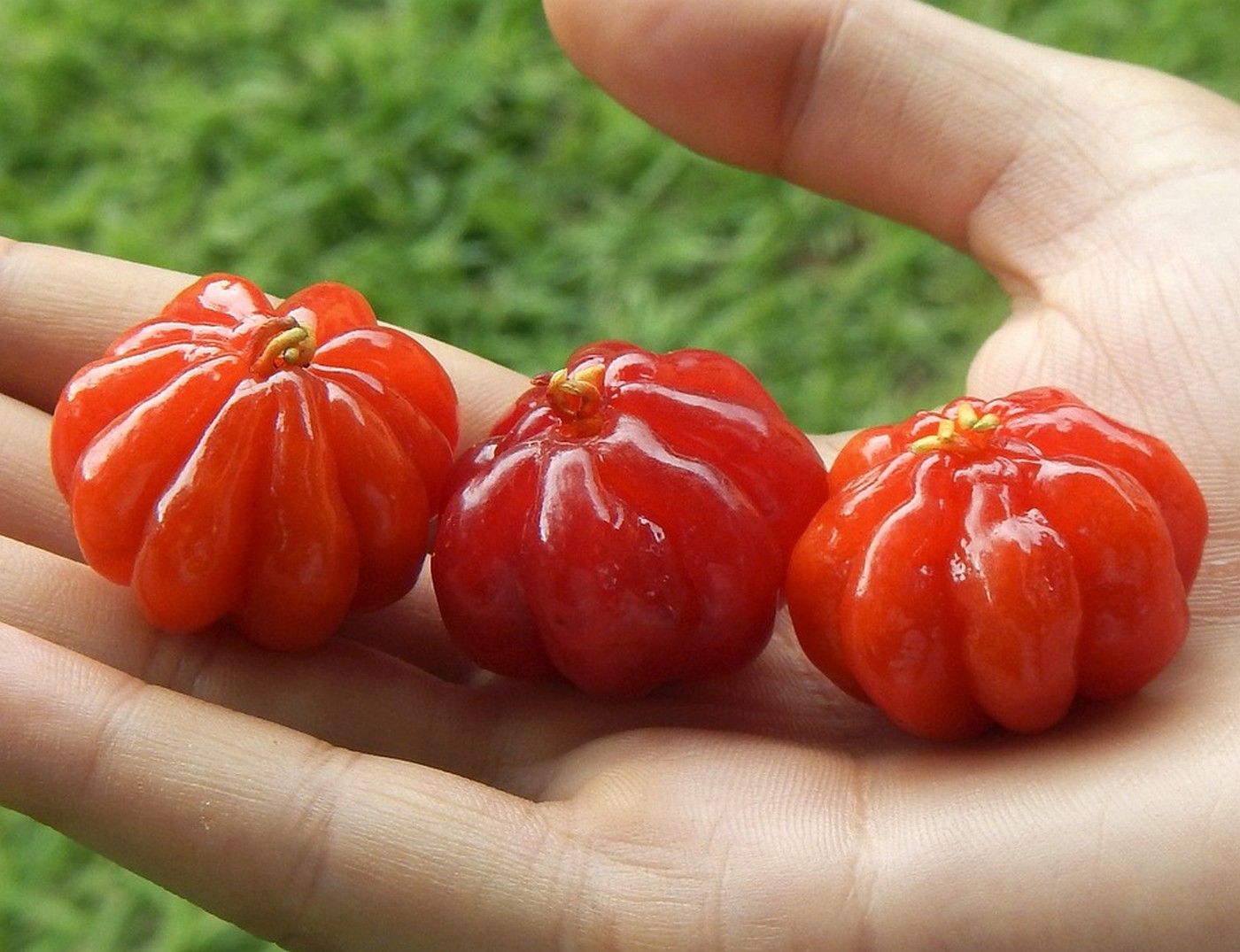
The pitanga, also known as Brazilian cherry o Suriname cherry (Eugenia uniflora) is a tropical fruit that has several health benefits. The tree bears white flowers that have a unique fragrance. The Pitanga fruit is known worldwide for its health benefits.
Properties and benefits of Pitanga
It is a fruit well known for its richness in vitamin C and is cholesterol-free. A portion of pitanga weighing 170 grams contains only 57 calories. Besides vitamin C, it is also rich in vitamin A. Therefore, it takes care of your eyes and keeps you away from eye problems. It has various minerals, such as phosphate and magnesium. It will provide 13 g of carbohydrates in one serving.
Skin and Hair
Pitanga leaves are rich in essential oils. Therefore, many essential oils are extracted from pitanga leaves. It is used to maintain your skin appearance and shiny hair forever. The presence of antioxidants in pitanga is the main factor that improves hair and skin health. Moreover, it reduces free radicals that damage the skin with sesquiterpene. People adore how the antioxidant-rich pitanga oil infusion helps to treat acne problems.
Antiviral, antibacterial, and antifungal
Pitanga is a necessary fruit that has exceptional antibacterial, antifungal, and antiviral properties, all in one. Therefore, it is used for preparing various herbal medicines for local infections. It is active against diseases such as dengue and malaria. Furthermore, the chemicals in pitanga act against staphylococcus and listeria.
Antioxidants
Antioxidants are consumed by many people as supplements to keep their metabolism healthy. However, the pitanga fruit is rich in antioxidants. Therefore, it keeps nearly all the organs of your body in check.
How to eat and cook pitanga
There are many applications for pitanga and it is a versatile food. The fruit can be made into jams and jellies or eaten fresh, and the unripe fruit can be used for chutneys and dressings. They make a great filling for cakes and are ingredients in puddings, pies, and juices. The fruit can be fermented into wines. They are also used as toppings on ice cream and added to salads.