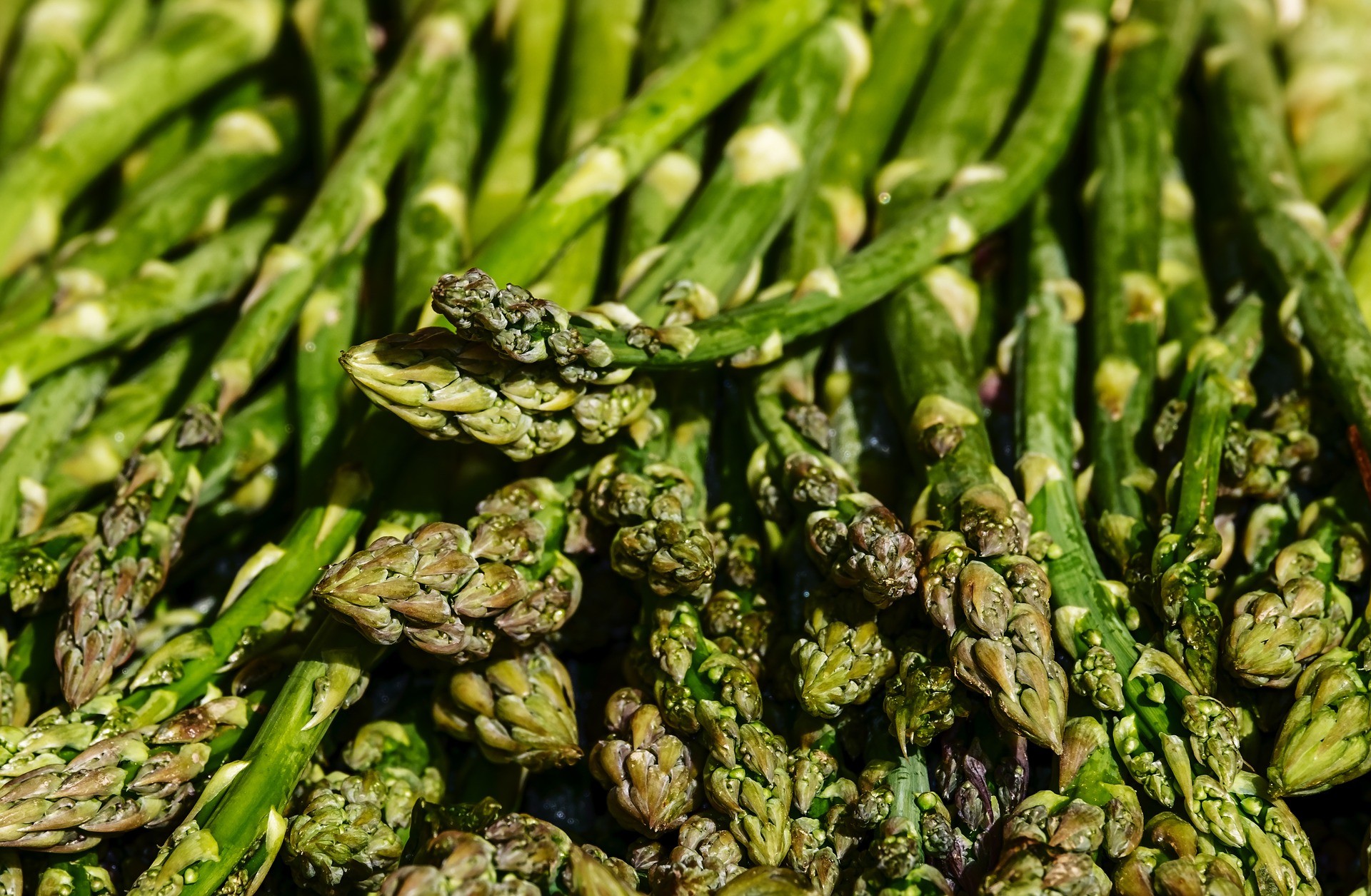
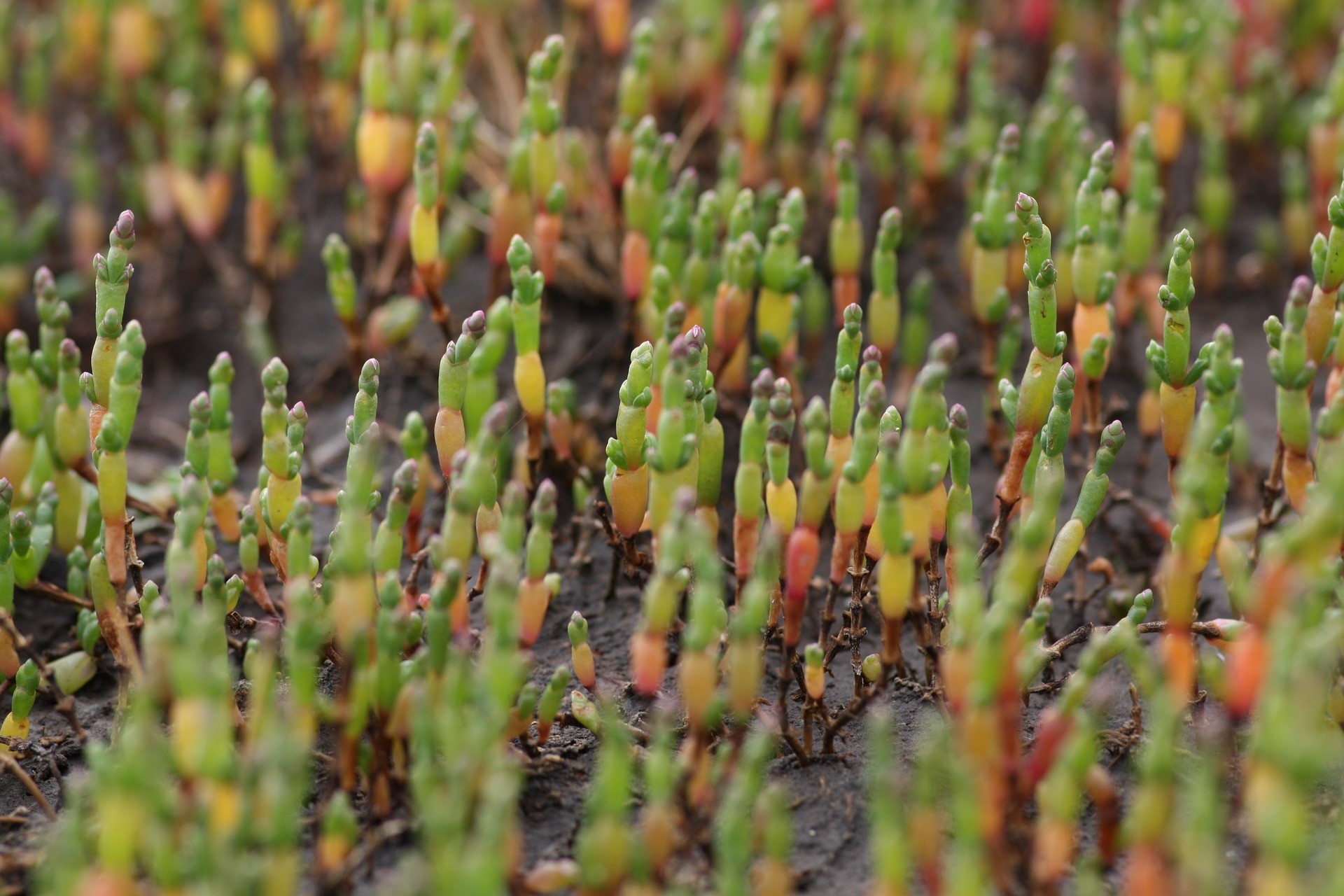
The salicornia is a superfood similar to asparagus that grows along the coasts of Asia, Europe, and North America. Also known as Samphire, Sea Asparagus, Crow’s foot o Sea Bean, sea bean, sea asparagus, Salicornia is a member of the halophyte family which gives it the rare ability to tolerate salty water environments.
In the 17th century, Salicornia was consumed by sailors who believed it could strengthen their immune system. It was also used in traditional Korean medicine to improve digestion and treat diabetes.
Properties and benefits of salicornia
Today laboratories have identified vitamin B3, vitamin C, magnesium, calcium, iodine, potassium, chlorophyll, and other bioavailable nutrients in salicornia. Researchers have also discovered a range of health benefits:
- Several studies have identified antioxidant (Kim 2009), anti-inflammatory (Kang 2013), antidiabetic (Park 2006), and antitumor (Kong 2008) activities.
- Zhang studied the effects of salt derived from salicornia on blood pressure in rats. Specifically, the results showed that while common salt induced hypertension, salicornia salt did not. Despite both groups of rats receiving the same amount of sodium, the salicornia rats were protected from hypertension and oxidative stress. These studies suggest that 17th-century sailors and Korean folk doctors were not far from the truth. With evidence of the health benefits of growing Salicornia, the future looks bright for this salty and tasty plant.