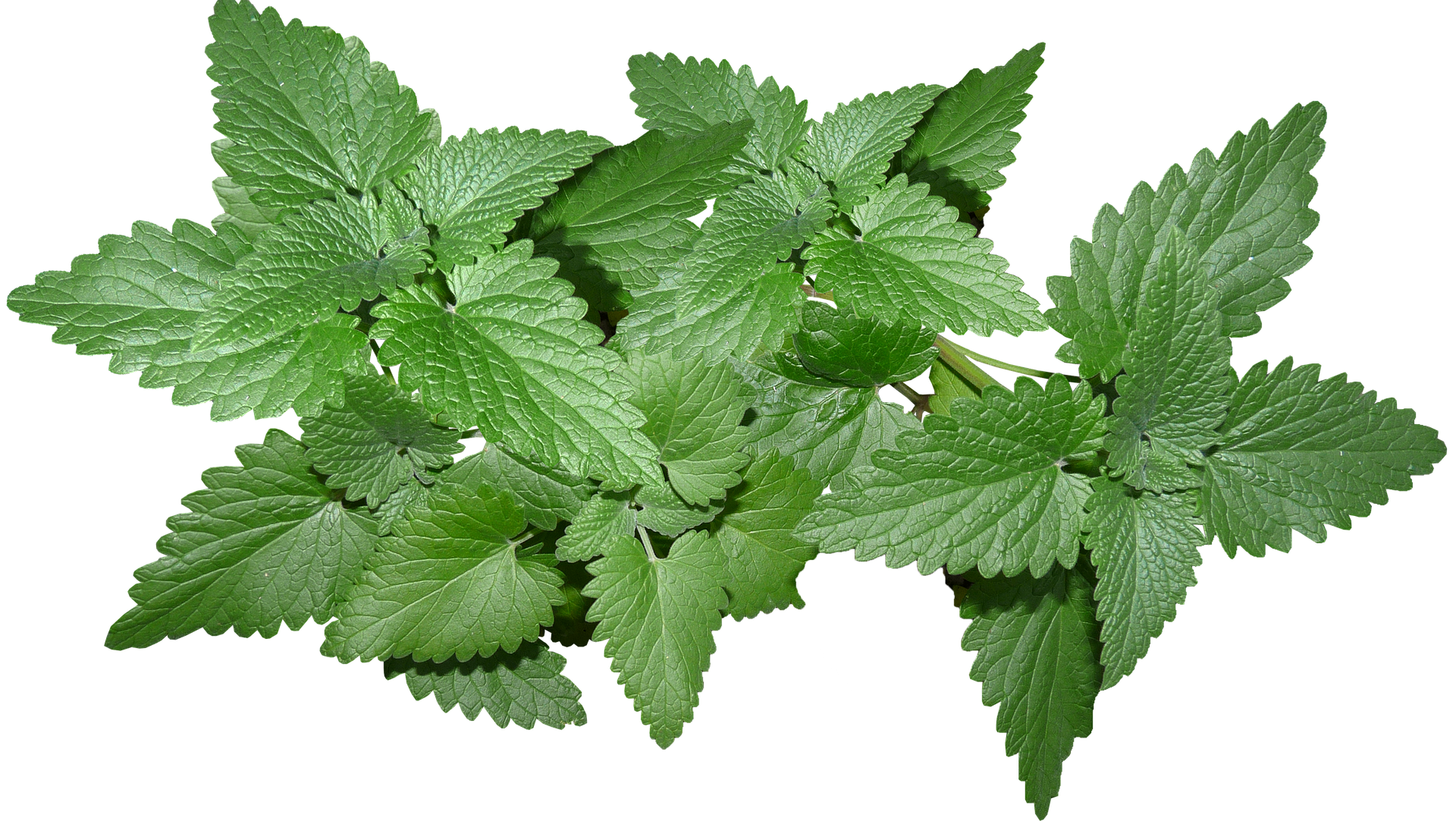
Endive appears in three main varieties: the Belgian endive, the curly endive and the broadleaf endive. It is rich in nutrients and has been used in medicine for the treatment of many diseases.
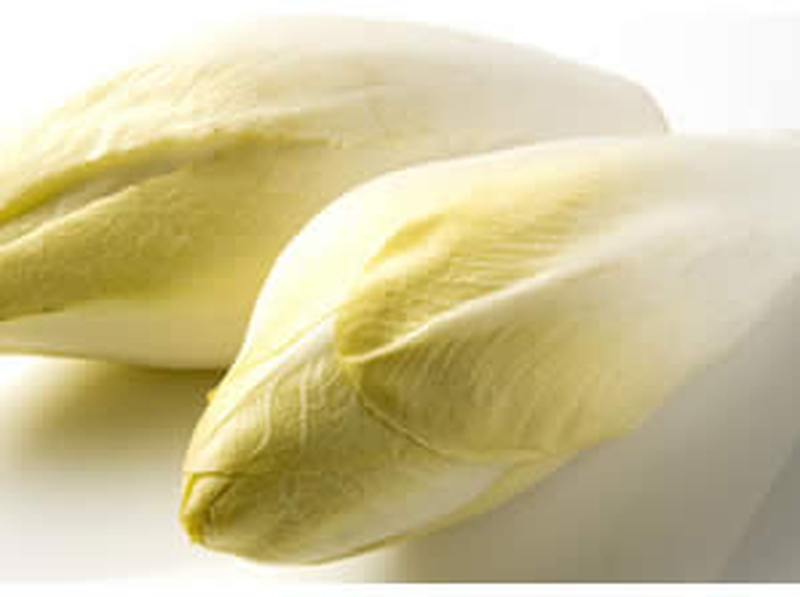
The Belgian endive (also called Brussels chicory) has a small, lettuce-like cylindrical head, with compact yellow leaves that are slightly curled at the edges. It has a moderately bitter taste and is grown in dark underground rooms to maintain its light color and delicate flavor.
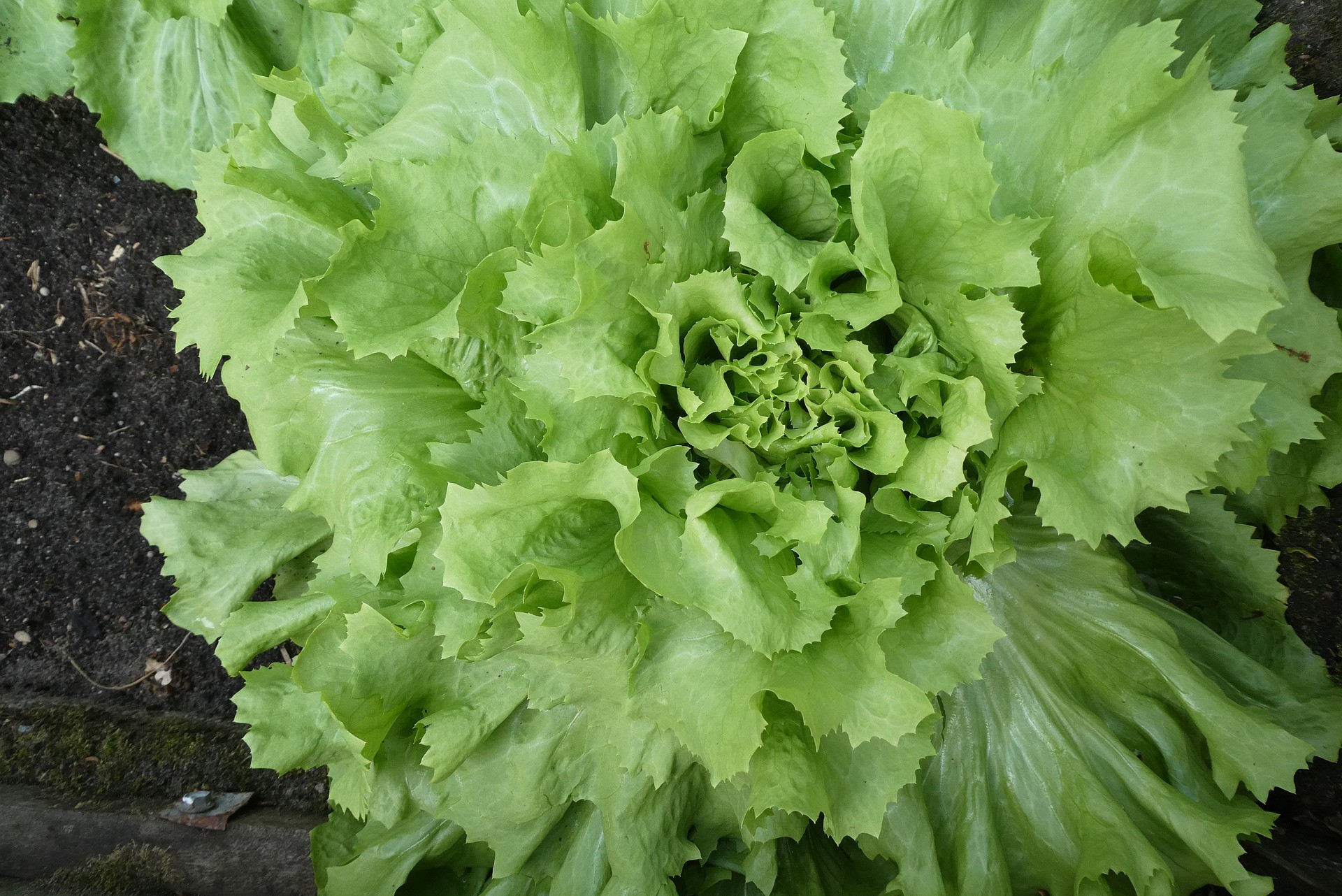
The curly endive grows in a bushy head with finely cut, curly textured leaves that are green in color. It also has a bitter taste, which is more pronounced in the leaves.

The broadleaf endive is also known as escarole which has a less bitter taste compared to the other varieties, with lighter colored inner leaves and darker outer leaves that tend to be more bitter and have a tougher texture.
Benefits of endive
Nutrients found in endive are the vitamin A, ß-carotene e B vitamins which include B9 or folic acid, B1 also known as thiamine, B3 called niacin, B5 known as pantothenic acid, and B6 or pyridoxine. The mineral content of endive includes magnesium, calcium and iron.
Endive also has a high fiber content, which allows it to help cleanse the body of free radicals and promote healthy digestion and balance metabolism. It also prevents constipation and reduces the risk of cardiovascular disease and cancer because it helps lower bad cholesterol levels. The presence of B vitamins supports brain health and reduces the risk of developing diseases such as Alzheimer’s disease and dementia.
The vitamin A content in endive promotes eye health, keeps the skin healthy, and supports mucous membrane health. Endive is also a factor in reducing stroke episodes, reducing the risk of developing gallstones, preventing scoliosis, and lowering the risk of urinary tract infection. Endive can also aid weight loss as it is a low-calorie vegetable.