



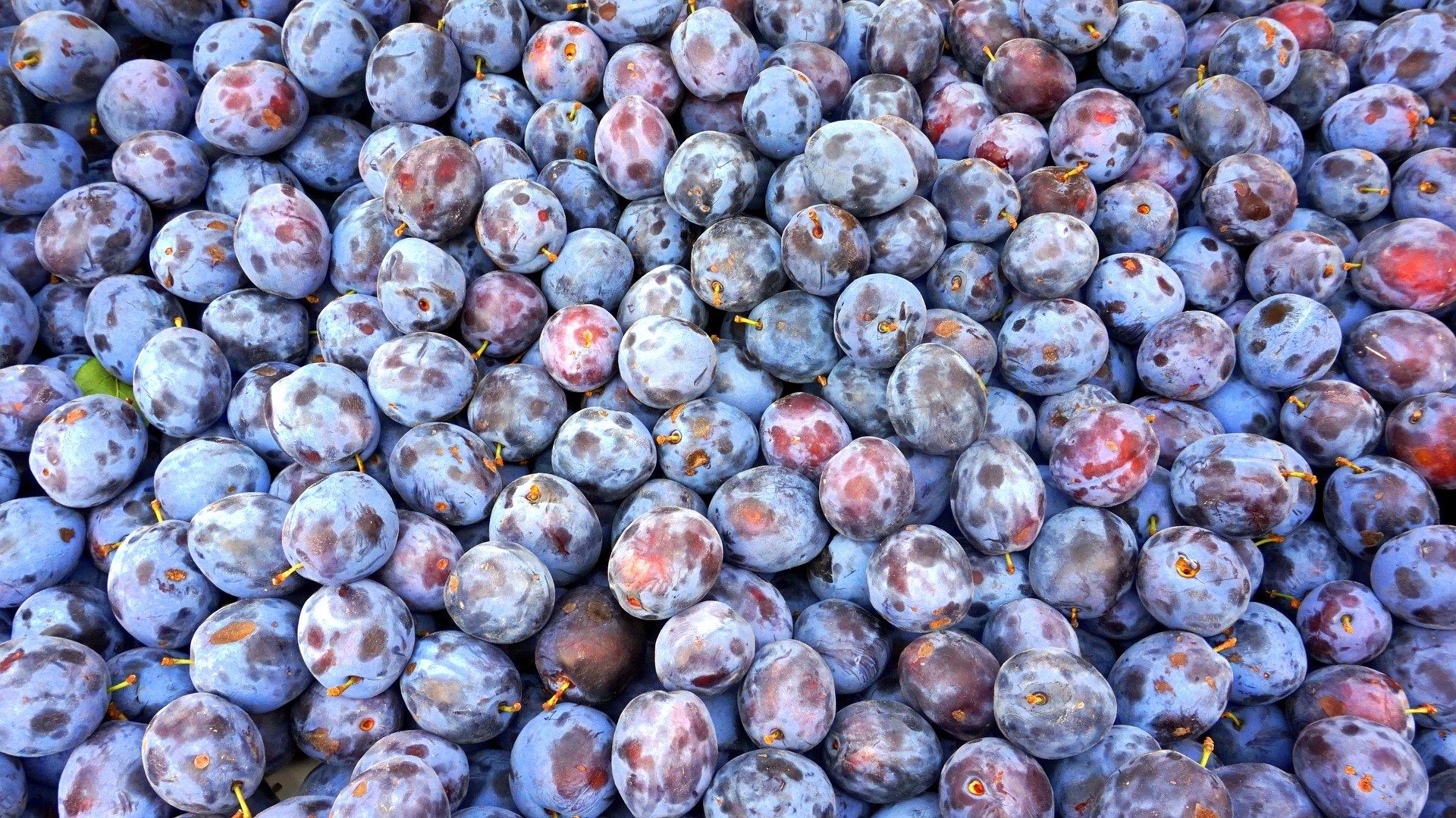
Plums (also called sloes) are the second most cultivated fruit in the world. There are several curiosities about this fruit. In Japan, February is the month of plums; there are plum blossoms everywhere. Umeboshi (Japanese pickled plums) were thought by samurai to fight fatigue. Sloes are cultivated on every continent except Antarctica.
The Chinese believe plums symbolize good luck. There are more than 140 varieties of plums sold in the United States. Plums can be as large as a baseball or as small as a cherry. Plums were on the menu of the first Thanksgiving dinner in 1621. Plums are thought to be one of the first fruits domesticated by humans.
Properties and benefits of plums
- Plums are a low-calorie superfood that won’t raise blood sugar levels. They are also packed with health benefits.A medium fresh plum contains 113 mg of potassium that helps manage high blood pressure and reduce the risk of stroke.
- One of the advantages of plums is that they are full of dietary fiber and when dried to become a prune, they are known to help with constipation.
- It cleans harmful free radicals with anthocyanins, the blue-red pigment in some plums. Anthocyanins are the most active antioxidants in plums and prunes and may have positive health effects including reducing the risk of heart disease and cancer according to studies.
- Plums have a low glycemic index, so eating plums can help you control blood sugar and reduce the risk of type 2 diabetes according to Canadian dietitians.
- They are very useful during dieting. A small plum contains only 30 calories and still tastes sweet. A great health benefit of plums.
- Another benefit of plums is that they are full of antioxidants that have been shown to slow the development of Alzheimer’s.
- According to a 2010 study, those who drank prune juice and ate plums had lower blood pressure than those who did not.
- Plums have only 46 calories per 100 g, contain no saturated fats and are rich in minerals and vitamins.
- Plums help increase iron absorption in the body, which may be due to the fact that they are a good source of vitamin C. This has been documented in published research.
How to store and eat plums
From May to September plums are at their best, but they are available all year round. Look for fresh fruits with intense color and a slight whitish coating; this means they have not been overly treated. A ripe plum will yield to gentle pressure and have a sweet aroma. Do not buy soft or bruised plums. Also, avoid overly hard plums as they are unripe and will not develop good flavor.
- You can ripen slightly hard ripe plums at room temperature. It’s better to eat ripe ones or keep them in the fridge until ready to eat. Before consuming, take them out of the fridge to bring them to room temperature to savor their rich flavor.
- Store unripe plums in a fruit bowl at room temperature. They ripen quickly, so keep an eye on them over the next day or two to make sure they don’t over-ripen. You can freeze plums but for better taste remove the stones first.
- The benefits of plums are best when they are fully ripe as they contain most of the antioxidants. In fact, when fruits fully ripen, almost to the point of deterioration, their antioxidant levels even increase.
- Always wash plums under cold running water just before eating and eat them fresh and ripe with the skin on. The skin provides fiber and contains some antioxidant pigments.
- Dried plums, commonly also known as prunes, are added to muffins, puddings, and cakes.




 are the second most cultivated fruit in the world. From May to September, plums are at their best.)