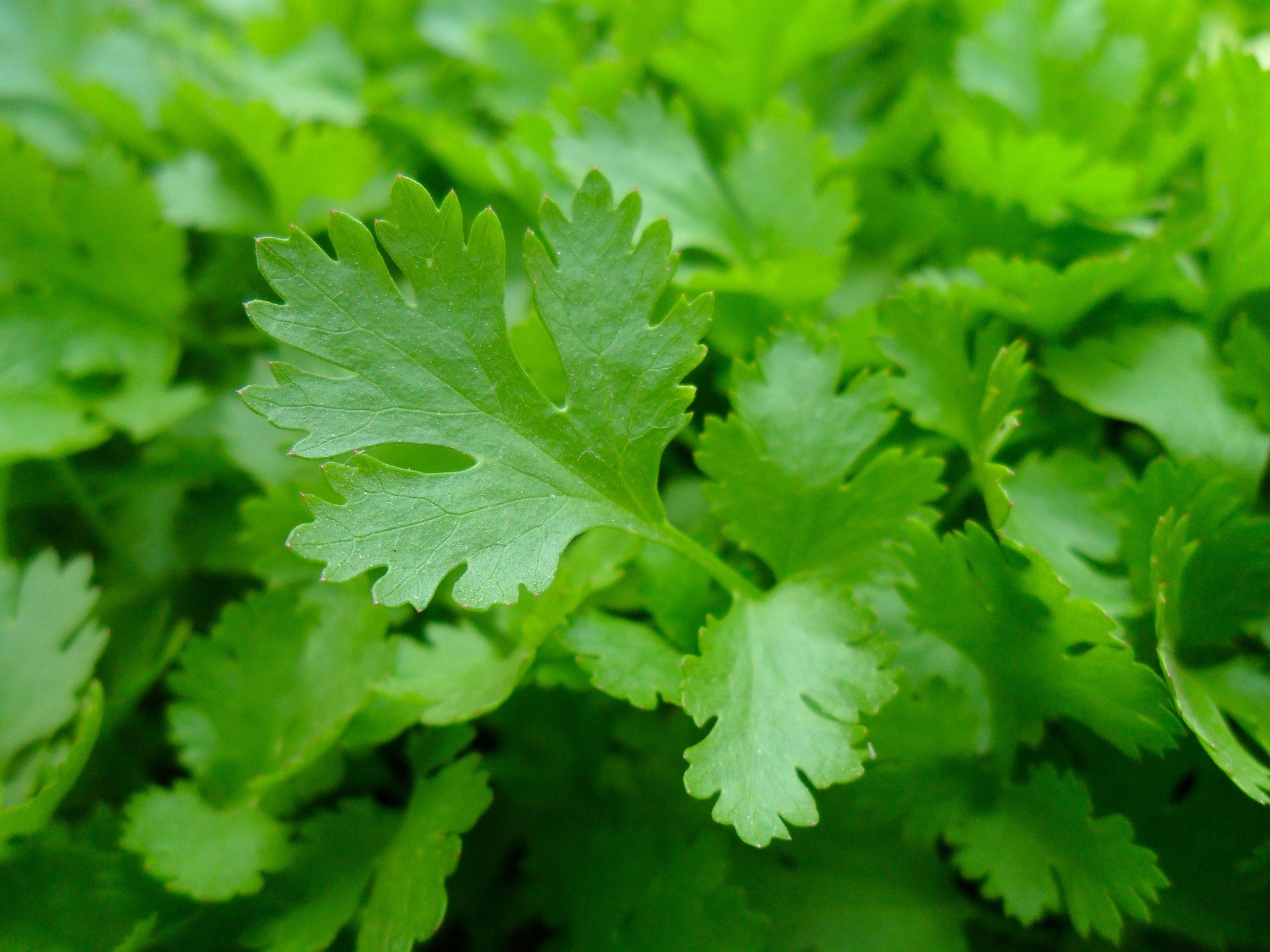
Parsley is a flowering plant native to the Mediterranean. The two most common types are French curly leaf and Italian flat leaf (less bitter). While most people probably think of parsley as nothing more than a garnish served alongside restaurant meals, this herb deserves greater inclusion in our diet and natural medicine cabinet.
Not only is parsley rich in nutrients, but it also helps prevent diabetes, prevent and treat kidney stones, and is a proven completely natural anti-cancer remedy. It’s definitely time to rethink this humble and overlooked herb.
Over the years, parsley has been used to treat conditions such as hypertension, allergies, and inflammatory diseases.
Properties and benefits of parsley
Serving of fresh parsley (1 cup/60 grams)
CALORIES: 22 (91 kJ)
PROTEIN: 1.8 grams
TOTAL FAT: 0.5 grams
SATURATED FAT: 0.1 grams
CARBOHYDRATES: 3.8 grams
FIBER: 2 grams
- Nutritional enhancement: parsley is rich in many nutrients, including: vitamins A and C, as well as the minerals iron and sulfur, making dietary addition of this versatile herb a simple and delicious way to boost the nutritional content of almost any meal or fresh juice.
- Eating fresh parsley will provide the highest levels of nutrients. Try using it as a green salad combined with mild-flavored vegetables. Fresh parsley is an excellent source of vitamins A, C, and K, folic acid, fiber, and iron, and a good source of potassium, calcium, magnesium, and manganese. It also contains antioxidant flavonoids and the carotenoids beta-carotene, lutein, and zeaxanthin. Adding legumes or cheese and a serving of whole grain bread will make it a nutrient-rich meal.
Parsley contains many powerful antioxidants, which can help prevent cell damage and reduce the risk of some diseases. - Parsley is rich in vitamin K, an essential nutrient for optimal bone health. Eating foods rich in this nutrient has been linked to a reduced risk of fractures and improved bone mineral density.
- Parsley contains various antioxidants, such as flavonoids and vitamin C, which may provide benefits against cancer.
- Parsley contains lutein, zeaxanthin, and beta carotene, plant compounds that protect eye health and may reduce the risk of certain age-related eye conditions like AMD.
- Parsley is rich in folates, a B vitamin that protects the heart and may reduce the risk of heart disease.
- Parsley extract has been shown to have antibacterial properties in test tube studies. However, more research is needed.
- Parsley can be used as a dried spice or as a fresh herb. Dried flakes are usually added to hot dishes like soups and pasta, while fresh herb is a great addition to salads and dressings.
- Parsley contains several important nutrients, such as vitamins A, K, and C. It is also a good source of minerals calcium, iron, magnesium, and potassium.
- High blood sugar levels can increase the risk of conditions such as diabetes or metabolic syndrome. Some rat studies have found that parsley effectively reduces blood sugar levels.
- Parsley ccontains antioxidant carotenoids and vitamin C, both of which have been shown to benefit heart health.