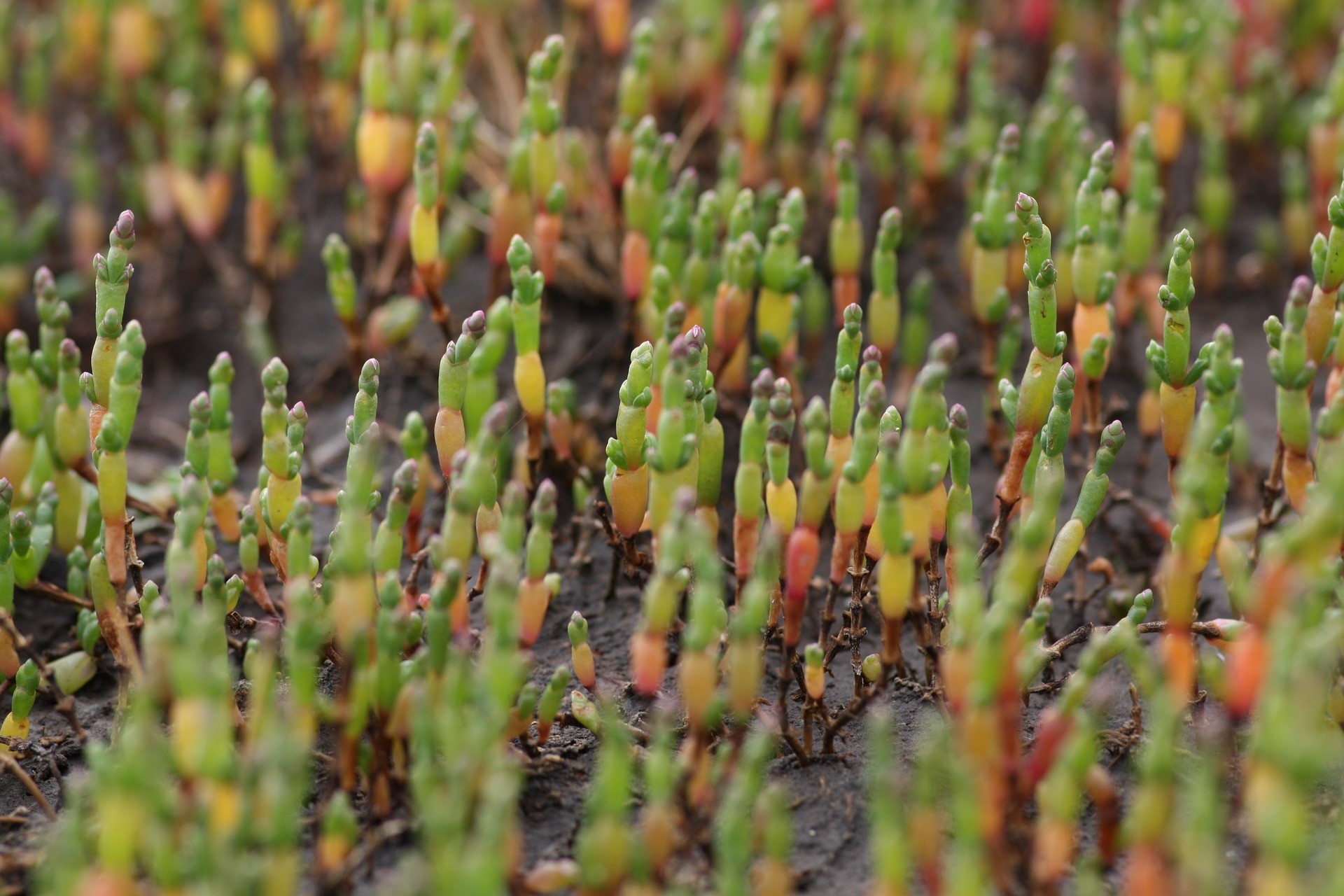

Purslane is a hardy vegetable that often sprouts in driveways, flower beds, and along sidewalks throughout the country but provides quite a bit of nutrition. The plant requires relatively little water, tolerates drought and heat, and spreads easily. And depending on the time of day you harvest it, it has a noticeably different flavor and is considered spicier and tangier in the morning compared to late afternoon.
Before you start looking for wild purslane (even if it’s in your garden), vask or double-check with an expert until you know exactly what you are looking for. There is a plant called spurge that looks similar to purslane but is poisonous.
Eaten raw, it tastes like a spicy cucumber with a lemony flavor; cooked, it’s delicate, though a bit stringy, and can be used in stir-fry and other quick-heating methods. In most cases, weeds are much more nutritious than their cultivated counterparts.
Properties and benefits of purslane
Omega-3 fatty acids
Omega-3 fatty acids are vital to reducing inflammation and may help lower the risk of heart disease, cancer, and arthritis. A study published in 1992 confirmed nutrient density, comparing indoor-grown purslane with its wild counterparts. Surprisingly, indoor-grown purslane contained higher levels of omega-3 fatty acids but that doesn’t mean you’re missing out by eating plants you find outdoors.
Vitamins A, B, and C
The Scientific World Journal published a study titled “Common Purslane (Portulaca oleracea): A Potential Plant Source of Nutrition, Omega-3 Fatty Acids, and Antioxidant Attributes ” showing the high levels of nutrition in the common herb. Among the touted benefits is the fact that purslane contains the highest content of vitamin A among green leafy vegetables. Vitamin C and the B complex, including riboflavin, niacin, and pyridoxine, are also found in purslane.
Phenols
Phenols, or phenolics, are compounds with one or more hydroxyl groups produced by plants. These are generally produced to combat stress. Wild plants like purslane contain high levels of phenols that also help boost antioxidant capacity. Antioxidants, in turn, help protect the body from free radicals, thereby reducing the likelihood of cancer and other diseases.