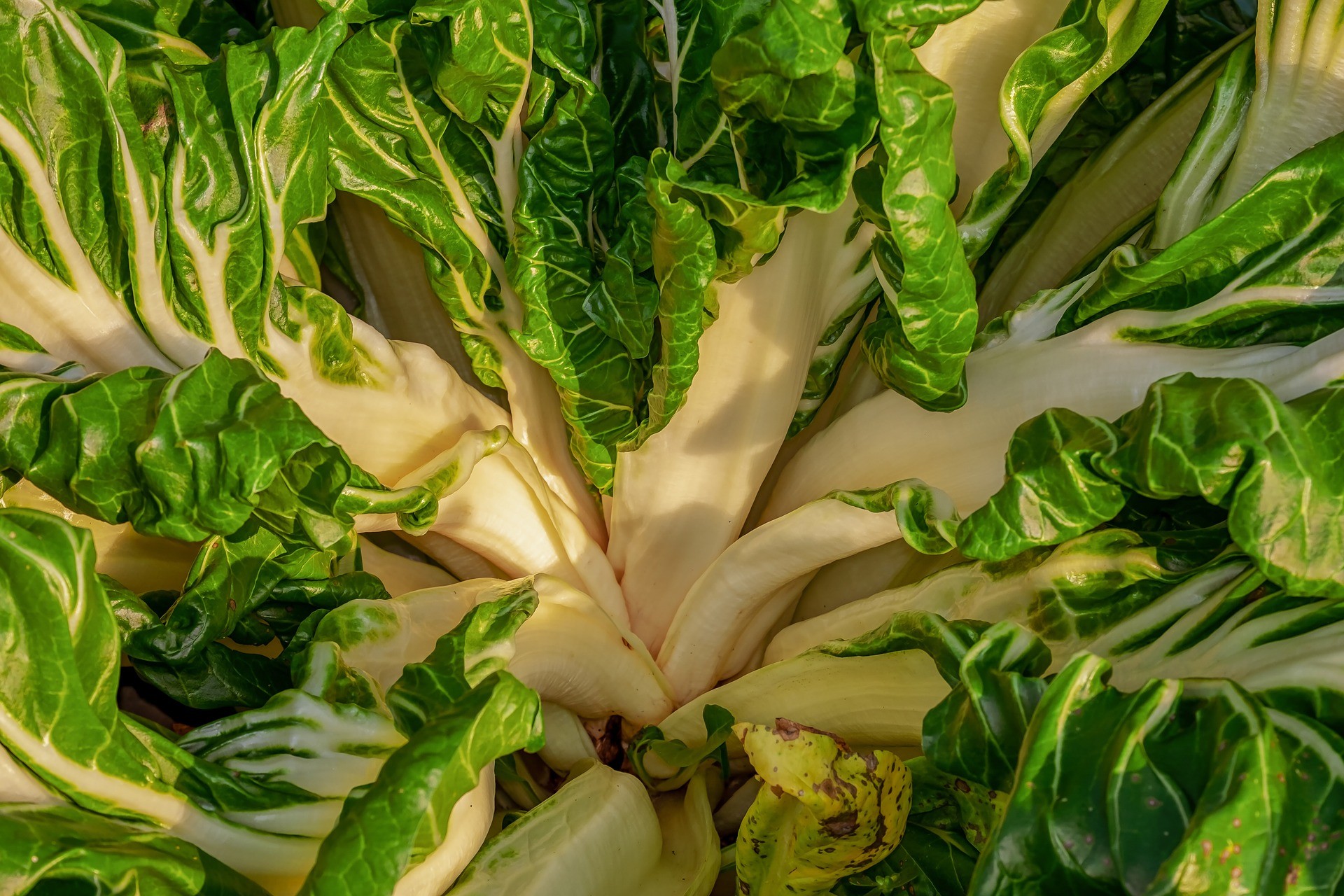
Swiss chard is said to have been used as food for the first time about 2500 years ago. It is used in many recipes but mainly in soups and risottos. It is a highly nutritious food with many health benefits.
Swiss chard, although it still resembles beet plants beetroot , has unique characteristics. The leaves can be shades of green, white, beige, yellow, orange, pink, purple, and red thanks to the combination of the plants’ phytonutrients. The heavy leaf veins are known as central ribs and the stems are called petioles. The size of the leaves varies depending on the variety but essentially it has a thick stem and large leaves.
Swiss chard is an excellent plant to add to the garden. It is a cold-tolerant biennial and although it originates from the mild Mediterranean region, it can withstand light frost. It can be planted from seed in early spring or late summer for a fall harvest.
Properties of Swiss chard
The Swiss chard is rich in nutrients. Its vitamin content includes vitamins K, A, C, and E. Also included are the vitamins B1 or thiamine, B2 or riboflavin, B3 or niacin, B5 or pantothenic acid, and B6. Swiss chard has a high mineral content including magnesium, copper, manganese, potassium, calcium, phosphorus, iron, and zinc. Other nutrients present in Swiss chard are fiber, protein, folate, choline, and selenium.
The Swiss chard can reduce the risk of developing diabetes. This is because it contains syringic acid, a factor in maintaining blood sugar levels which breaks down carbohydrates into simple sugars. The result is the prevention of extremely high or extremely low blood sugar levels. It also helps eye health with its beta-carotene content. This reduces the risk of developing macular degeneration, night blindness, glaucoma, and other eye diseases.
Because Swiss chard is rich in vitamins C and E and numerous antioxidants, it reduces the presence of free radicals in the body. Free radicals are a natural byproduct of cellular metabolism and are a factor in tumor development. Swiss chard is also rich in calcium, which provides the necessary nutrients for the growth, development, and maintenance of the skeletal system.
As a food promoting a healthy circulatory system, Swiss chard improves blood flow, circulating oxygen throughout the body thanks to its iron and copper content. This improves thinking processes, reduces the risk of anemia, and reduces fatigue and weakness. Because it also contains potassium, it helps maintain healthy blood pressure which reduces the risk of heart disease and stroke. Swiss chard also has biotin which is beneficial for hair follicles, stimulating the growth of healthy hair.