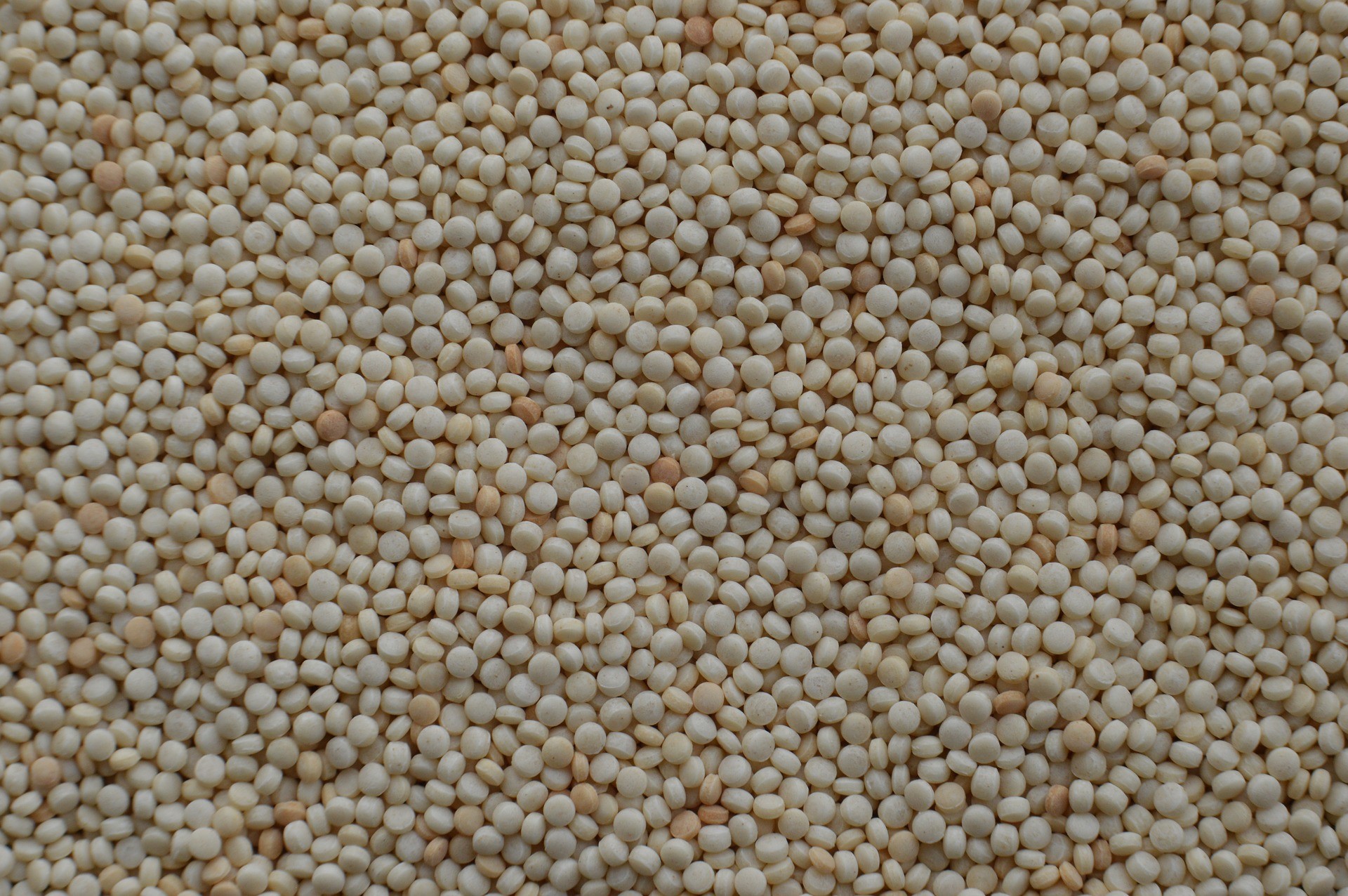
The couscous is originally from the Berber tribes of North Africa and has become a staple food throughout the region. The Arabic word “kishusu” derives from the Berber language. The main ingredient is durum wheat semolina which is sprinkled with water and rolled between the hands to form small pellets. These pellets are dusted with dry flour so the grains remain separate. Then the pellets are sieved and those that fall through the sieve are subjected to the process until all the grains are finished. Once this process is completed they are spread out and dried in the sun.
Couscous is a highly nutritious food containing selenium, calcium, phosphorus, potassium, magnesium, folic acid, thiamine, niacin, folic acid, manganese, and other vitamins and minerals. It is a good source of fiber and protein and is a holistic healing food. Couscous has a high carbohydrate content, essential for boosting energy in the body. It also contains choline, a nutrient that helps healthy brain, liver, and nerve function and creates normal metabolism. Folate is a blood purifier, so couscous is a catalyst for a healthy vascular system. Its calcium content is beneficial for healthy bones and teeth, preventing osteoporosis. Couscous also promotes skin health, as well as acting as a relaxing agent, alleviating insomnia and reducing the risk of heart disease.
Benefits of Couscous
-
Improves cardiovascular health
It is used to promote cardiovascular health due to its selenium content. This mineral is an antioxidant that helps remove plaque buildup in blood vessels and lowers cholesterol levels. This reduces the risk of heart attacks and strokes, as well as atherosclerosis.
-
Boosts the immune system
The couscous is an excellent food to strengthen the immune system as an antioxidant that reduces incidents of free radicals and other toxins in the blood. It stimulates the regeneration of vitamins C and E in the body, helping to fight disease. It also protects healthy cells from mutations caused by toxins that alter DNA and the structural composition of cells, which can lead to disease and premature aging.
-
Heals wounds
Thanks to its high protein content, it stimulates the enzymes essential to the healing process of injuries. It is an excellent food for those recovering from surgery. Couscous is also recommended to fight diseases, helping to strengthen the body.
-
Aids digestion and weight loss
With a high fiber content, couscous is a great slimming food. It prepares quickly, delaying snack time, and is low in calories but satiating by limiting the secretion of ghrelin, a hormone that stimulates hunger. Couscous also aids digestion and is a healthy addition to maintain a healthy gastrointestinal system. The fiber adds bulk by stimulating peristaltic movement and cleansing the lower digestive tract.
Couscous in its natural form can only be obtained from Mediterranean basin countries. Couscous from the UK, the United States, and other countries is steamed precooked or prepared and is primarily an instant food that requires a few minutes to be soaked in hot water. Natural couscous can be purchased in specialty stores in Mediterranean countries; natural food markets sell organic couscous and supermarkets also offer varieties of non-organic couscous. The food can be added to the menu as a side dish, as a bed for meat dishes, served with vegetables, and added to salads. Couscous can be frozen for up to three months.