
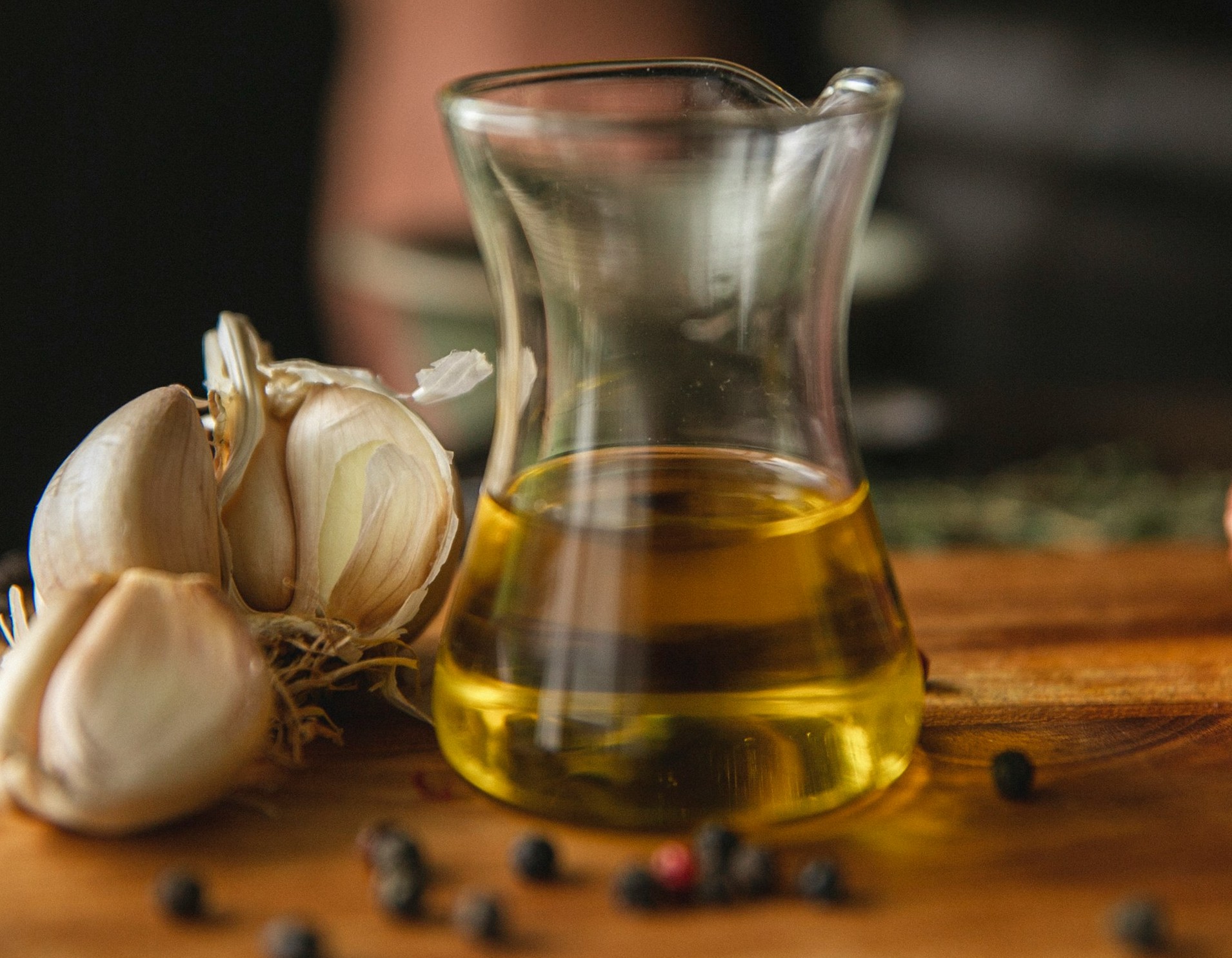

Italy, with its rich history and culinary culture, boasts one of the finest olive oil productions in the world. As a olive oil producer, I wish to guide you through the journey of discovering this liquid gold, explaining how to recognize a quality product and why you should choose it to enrich your diet.
The Italian olive oil, a cornerstone of the Mediterranean diet, has a millennial history rooted in the country’s agricultural traditions. It is more than just an ingredient: it is a true symbol of Italian culture and excellence worldwide.
Why choose Italian olive oil
The variety of olives used, the harvesting and production techniques, together with the unique climate, give Italian olive oil a distinctive taste and aromatic profile. Each region of Italy, from Tuscany to Sicily, passing through Apulia, offers oils with distinctive characteristics able to satisfy the most discerning palates.
Buying Italian olive oil: practical tips
The purchase of quality Italian olive oil requires attention and knowledge. Here are some practical tips to choose the best oil, ensuring an authentic and healthy culinary experience:
Prefer specialized shops or directly from producers when possible. Many Italian olive oil producers offer the possibility to purchase their products online, allowing you to access detailed information about the origin and characteristics of the oil. Local markets and dedicated fairs are also great places to discover and taste different types of oil before buying.
How to recognize quality olive oil
Recognizing high-quality olive oil is essential to enhance every dish. DOP and IGP certifications represent a reliable starting point, indicating that the oil comes from a specific geographical area and complies with established production criteria. These labels not only protect Italian culinary heritage but also guarantee the consumer a traceable and high-quality product.
- Flavor and Aroma: A fundamental aspect in choosing good olive oil is its organoleptic profile. A high-quality oil should present a harmonious balance between fruity, bitter, and spicy notes, which vary depending on the olive variety and terroir. These characteristics indicate the oil’s freshness and the presence of polyphenols, beneficial for health.
- Color: While the color can vary significantly, from greener shades to golden yellows, it is important to emphasize that it should not be a decisive factor in evaluating the oil’s quality. The color mainly depends on the olive variety and the harvesting time.
- Expiration and Harvest Date: Another key indicator is the oil’s freshness. Olive oil maintains its best organoleptic and nutritional properties if consumed within a short period from production. Checking the expiration date and, if possible, the harvest date can help you choose a fresher and more aromatic oil.
Use of Italian olive oil in cooking
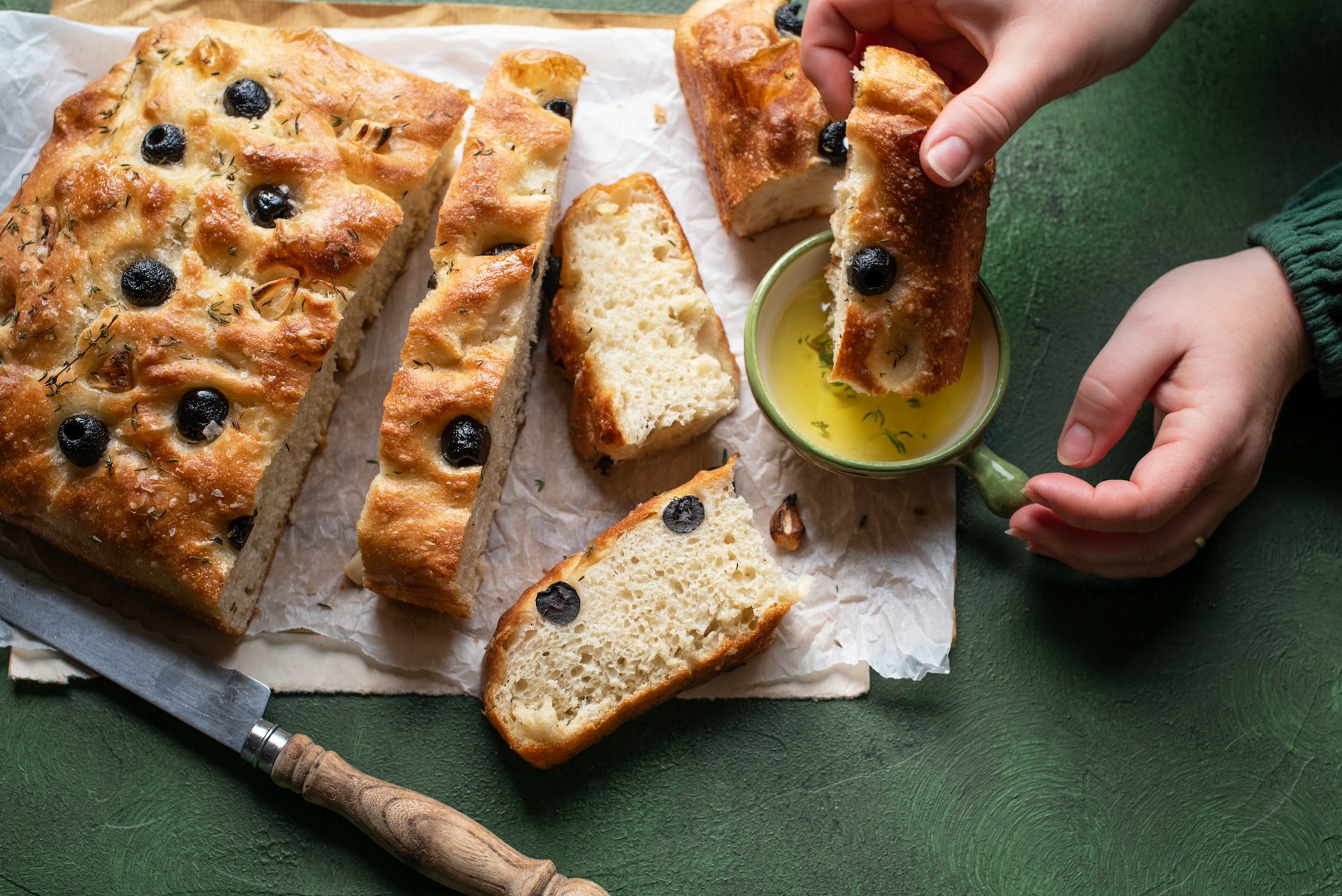
Italian olive oil enriches any dish with its characteristic flavor and aromatic notes. In traditional Italian recipes, oil is much more than just a seasoning; it is an ingredient that binds flavors together, from the preparation of a simple Genoese pesto to the making of Sicilian caponata. Its versatility makes it ideal for enhancing both simple and more elaborate dishes.
Tips for everyday use
To maximize the benefits and flavor of olive oil, I recommend using it mainly raw. Gently pouring it over salads, soups, or even gourmet ice creams can transform an ordinary dish into an extraordinary culinary creation. For cooking, it is preferable to use moderate heat to preserve its properties and avoid altering the taste.
Integrating olive oil into the daily diet, following these tips, will not only improve the quality of your dishes but also contribute to your overall wellness, thanks to its notable anti-inflammatory and antioxidant properties.
How to store olive oil
Once purchased, proper storage is essential to maintain its flavor and nutritional properties. Keep it in a cool place away from direct light, preferably in a dark glass bottle or stainless steel container to protect it from oxidation.
Sustainability and production
The future of Italian olive oil looks bright, with growing interest in sustainable and environmentally friendly production practices. Sustainability, from olive grove care to harvesting and pressing the olives, is increasingly at the heart of producers’ concerns, who strive to offer a product of excellence while respecting nature.
Choosing Italian olive oil means valuing a product that embodies the history, culture, and passion of generations of producers. Gently pouring it over your dishes will not only enrich the flavor of your preparations but also allow you to enjoy the many health benefits this precious food can offer.