
Finding the best cup of coffee is not always easy. As with many other things, what works best for one person may not be as appealing to another. Whether it’s due to taste preferences, price, convenience, or other factors, there are plenty of people who have their ideas on how to brew the best cup of coffee. Fortunately for all of us, there are some general principles that most people can agree on when it comes to finding the right beans. One of the most important steps in finding great coffee is knowing your taste preferences and understanding what they mean. Most people have a strong preference for one aroma over others or may appreciate a particular flavor in their cup. If you want to find the best coffee for your taste preferences, check out our detailed guide below.
You have your favorite coffee maker and you’re ready to get to work figuring out how to brew the best cup of coffee. Whether you prefer a dark roast or a mild flavor, whether you like espresso, Salentino coffee, coffee diluted with milk or topped with cream, or even enjoy adding different types of unsweetened coconut oil depending on the season, there is a perfect type of coffee for everyone. The first step is to understand what types of coffee are available and which ones best suit your personal preferences. This guide will help you identify your individual tastes so you can find the type of coffee that best matches your flavor preferences as quickly as possible.
If you’re reading this article, it’s probably because you spend too much time thinking about which cup of coffee to make. The right brewing method and the right coffee blend matter a lot when it comes to the final flavor of the drink. However, with a bit of know-how and some proven tips, you can easily get the best possible taste from your favorite coffee beans. Let’s look at some of the factors that determine brew quality and how to use them to improve consistency from one pot to another.

The taste of coffee is influenced by many factors. These include the origin of the coffee beans, how the beans are processed, how they are stored, how they are brewed, the amount of coffee used, and many more. For example, the flavor of coffee is strongly influenced by the origin of the beans. Additionally, the type of bean and where it comes from can make a big difference in coffee taste. Because of this, it’s important to know the factors that affect the taste of coffee beans and how to select the best coffee for your taste preferences.
How to know if you have strong or weak taste preferences?
There are some signs that indicate whether a person might have strong or weak taste preferences. Strong taste preferences often lead a person to always drink the same type of coffee, regardless of the kind of coffee they’re drinking, or they may have a particular preference for a specific coffee brand. Other signs that a person might have strong taste preferences include an aversion to generic blends or having one type of coffee they will never drink again. Weak taste preferences, on the other hand, often lead a person to drink a variety of different kinds of coffee. Additionally, a person with weak taste preferences may occasionally drink a variety of coffees. Some people with weak taste preferences may love always drinking the same type of coffee or even have a particular favorite brand. Those who enjoy strong flavors tend to prefer arabica truth, while those who prefer a milder taste lean more toward coffee with robusta beans. On this subject, we have created an article that explains precisely the differences between arabica and robusta coffee.

Don’t be afraid to experiment
The best way to discover which type of coffee works well for you is to experiment. Although it can be a bit intimidating at first, it’s important to try different types of coffee and see which works best for you. This is important because the best coffee for one person can be the worst coffee for another. That’s why it’s important to know your taste preferences and understand them as much as possible. It’s also important to note that by experimenting with different types of coffee, you’ll start to notice which types of coffee you don’t like. This is important because it’s a good indication of what coffees you dislike and what you might be doing wrong. By keeping track of coffees you like and don’t like, you’ll be able to make better choices in the future. It’s also important to try different brewing methods to see what works best for you. Some people find that using a French press or pour-over method produces a better-tasting cup of coffee than a regular drip coffee maker.
Check the smells
Many people overlook the smell of coffee. The smell of brewing coffee is important because it affects the taste of the coffee. Most people don’t realize that the smell of coffee is influenced by the beans used. If you smell burnt beans, it’s likely the brew was over-extracted or that fresh beans weren’t used. The best way to ensure the coffee smells good is to brew it as close as possible to the time of serving and to use coffee beans with a good aroma. Brewing too far in advance or using beans with a strong aroma can make the coffee less fragrant. Also, stale coffee beans can give the coffee an unpleasant taste. If you use fresh beans, you should be able to tell by how the beans feel when grinding. During brewing, the beans should be elastic to the touch and bounce back when you stop grinding. If the beans are too old or have gone bad, they will no longer be elastic and will grind to powder.
What makes a good coffee?
Good coffee doesn’t just come from fresh beans and the right brewing method. It also results from carefully selected quality beans that are properly stored. Good coffee also comes from high-quality beans that have been roasted to the right degree of darkness. High-quality beans also come from farms that use sustainable methods that are good for the environment and the farmers who grow them. Good coffee is also brewed with a fine filter or a device that helps retain the subtle flavors of the coffee. Brewing with too much water or with poor quality water affects coffee quality. Good coffee also comes from a brewing method that uses the right amount of water and is not over-extracted. Additionally, good coffee is not made with stale or spoiled beans.

There are many ways to find good coffee. Some of the most important ways to find the best coffee are:
Choose fresh beans
When it comes to finding the best coffee, fresh beans are always the best option. Brewing with stale beans or using beans that are too old affects the taste of the coffee.
Select high-quality beans
High-quality beans are always the best choice. Although most people think quality comes from the price of the beans, low-quality beans are often cheaper than high-quality ones.
Buy whole beans
Buying whole beans instead of pre-ground coffee is always the better option because it allows you to choose how to brew your coffee. Those who buy pre-ground coffee may end up with old or stale coffee if it is not stored properly.
Use a filter or brewing device
Using a filter or brewing device is also important because it helps retain the subtle flavors of the coffee and contributes to improving its taste.
Choose the right water temperature
Choosing the right water temperature is important because it is the temperature that allows the coffee to brew correctly. Water that is too hot changes the taste of the coffee, while water that is too cold produces poor quality coffee.
Water Quality
Water quality is also important because it is the liquid used during the preparation process. Poor quality water affects the taste of the coffee, while good quality water produces good quality coffee. The quality of the water used influences the taste and smell of the coffee. The quality of the water used also affects the amount of minerals present in the coffee and the amount of dissolved minerals in it.

Don’t neglect the grind
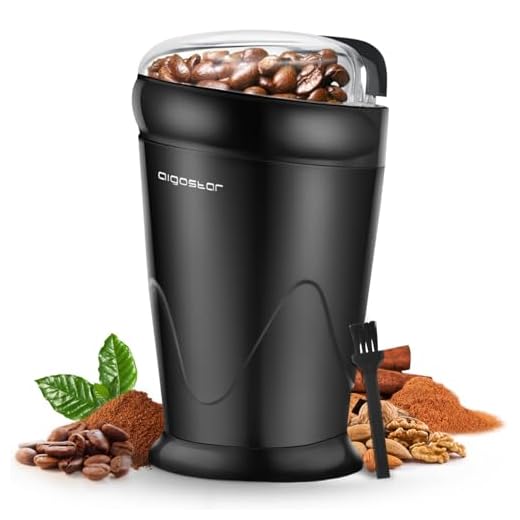
Depending on where you live, the quality of the beans you grind may vary. This is especially important if you want to savor the different flavors of the beans. If the beans are ground too coarsely, the coffee produced will not only be bland but also lack subtle flavors. Additionally, beans that are ground too finely cool the coffee too much and cause it to lose its flavor. When grinding coffee, you need to consider the size of the beans. If ground too finely, the coffee will be weaker and taste watery. If ground too coarsely, the coffee will be stronger than necessary. How fine the grind should be is a matter of personal preference, but it’s best to find a middle ground when it comes to how much coffee remains in the grinder after grinding.


![Graef CM 800 macina caffé [Germania]](https://m.media-amazon.com/images/I/31Ge0DHoaOL._SS520_.jpg)
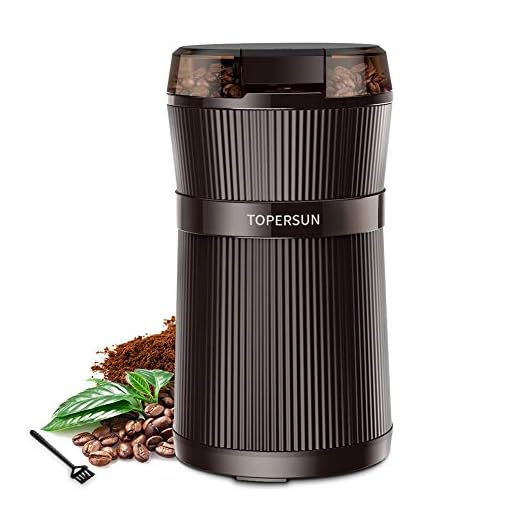
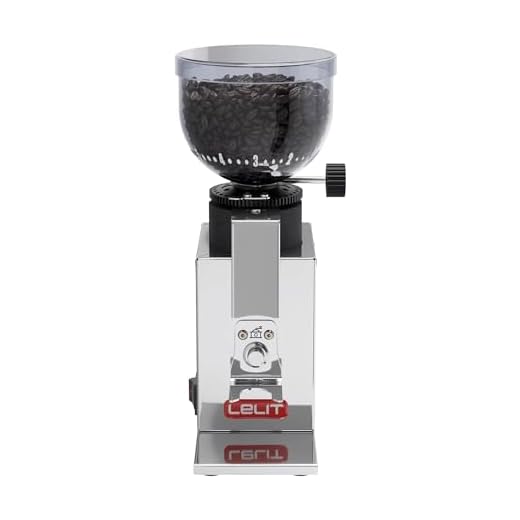

Use the right tools: Coffee is made by grinding coffee beans with a burr grinder or an espresso grinder. If you don’t have either, you can buy an electric grinder, but make sure it is a high-quality model. Try to avoid automatic grinders because they often produce unsatisfactory results. As for brewing, you can use a French press, an espresso machine, or a single-cup coffee maker. Automatic drip coffee machines are convenient and easy to use, but they do not produce a very flavorful drink. They can be a good choice for those who value convenience. There are some things you can do to get the best possible coffee. Some of these include:
Brew fresh coffee
Brew fresh coffee as close as possible to the time of serving, and use steamed or air-cooled roasted coffee beans.
Use fresh beans
As with many other foods, the quality of the beans used is important for coffee as well. Try to purchase whole beans if possible. This will ensure you get the best possible flavor from the beans. If you buy pre-ground beans, make sure they are freshly ground and not stale. Beans should be stored in an airtight container so they do not absorb moisture from the air and lose flavor. Using whole beans instead of ground coffee always yields a better tasting coffee.
Use the right amount of water
Using the right amount of water always results in better coffee. If too much water is used, the coffee will be weak; if too little water is used, the result will be watery coffee.
Grind coffee to the right fineness
Ground coffee must be ground to the right fineness to allow maximum extraction.
Store coffee properly
Properly storing coffee will always result in better tasting coffee. Beans should be kept in an airtight container so they do not absorb moisture from the air and lose flavor.
Use the right brewing method
The preparation method can make a difference in the final taste of the coffee. It affects the flavor and aroma of the beans throughout the entire process, from roasting to grinding to brewing. Preparation methods, such as pods and paper filters, are not essential for making good coffee, but they are for making good coffee with the right tools.

You can’t just taste water
Perhaps it is obvious, but it’s worth remembering. Water is the ingredient that makes coffee, but it is not what makes coffee. It is the beans that make coffee unique and flavorful. For this reason, it is necessary to pay attention to the choice of beans to use. Make sure they have been freshly roasted and ground and not left in water all day. Similarly, make sure to use good quality water. Boiling water and then using it to make coffee is a great way to get the best possible taste. Preparing good quality water on the stove is one of the best ways to get the perfect temperature and minerals from the water.
Conclusion
To prepare the best coffee, one must consider the preparation method and the beans, the quality of the beans and the grind, the quality of the water, and the amount of coffee used. Taking these factors into account, it is possible to achieve the best possible meticulously prepared coffee, so enjoy the process! Whether it is a French press, an espresso machine, or a single-cup coffee maker, the preparation method has a significant impact on the final flavor. The infusion method also affects the coffee beans; conversely, the coffee beans also affect the infusion method. The quality of the coffee beans determines the final taste and strength of the beverage. The grind of the beans must be coarse enough to release all the flavor of the beans, but not so coarse as to create a muddy, flavorless drink. The preparation method influences the strength and flavor of the coffee.