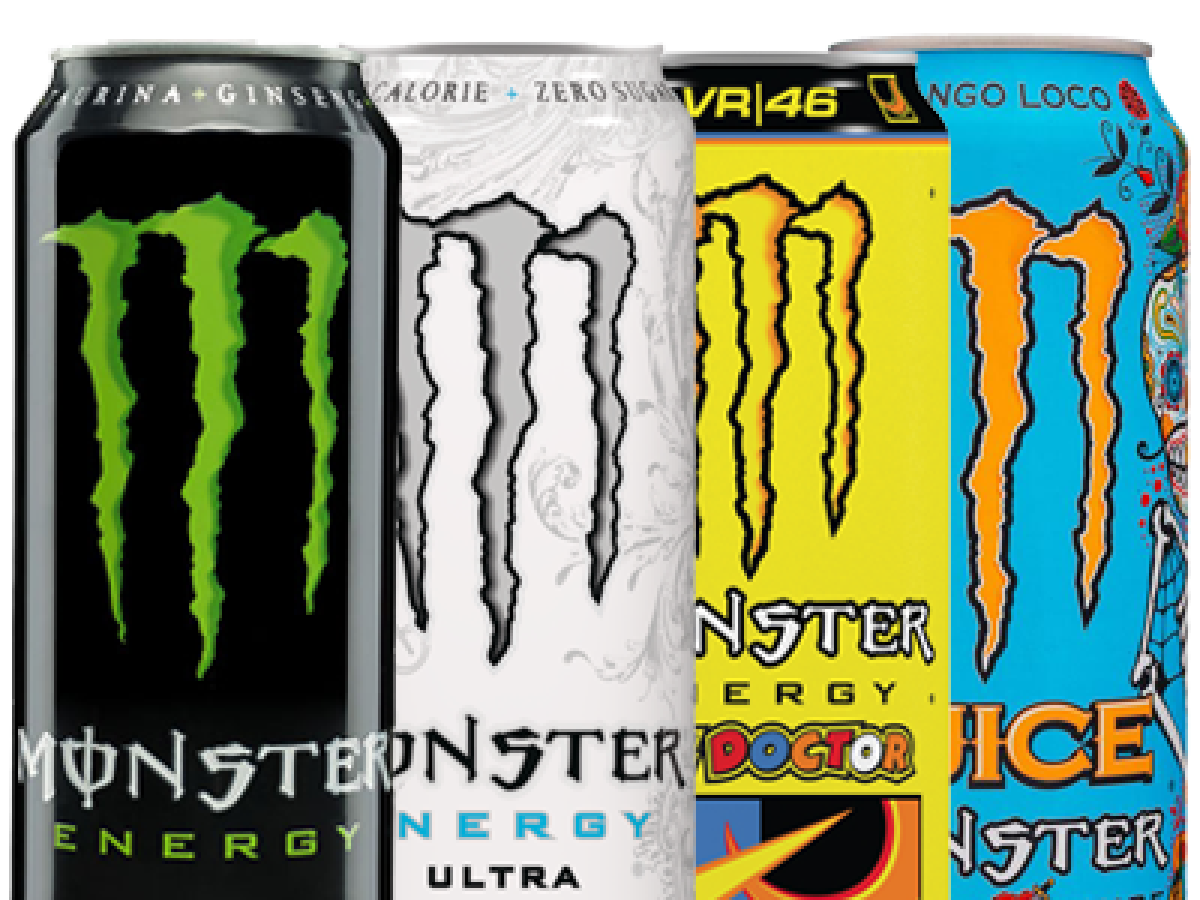
A trend that, in recent years, has been prevailing in the food & beverage sector concerns energy drinks. Monster Energy, a beverage distributed worldwide and, over time, offered in various special editions dedicated to famous personalities and major events, is just one of the names that come to mind.
When energy drinks are mentioned, their ingredients are often discussed as well. Among the most famous is taurine. It is often mentioned without people always being fully aware of what it actually is. In the following lines, we will clearly see its characteristics and especially focus on its effects.
Taurine: what is it?
The taurine is a substance that, from a chemical point of view, can be defined as an aminoethanesulfonic acid. It is naturally produced by our body in two ways. The first is the oxidation process of hypotaurine. The second, instead, is the oxidative catabolism process of cysteine. It can be found mainly in the brain, in the heart, in the eye, specifically in the eye.
Functions and effects of taurine
Taurine is known for its energizing effects. Other equally important aspects for the organism are less well known. Among them are lipid metabolism, calcium level homeostasis, and cardiovascular well-being protection.
An antioxidant and capable of regulating glucose metabolism, taurine also plays a valuable role in stabilizing the cell membrane. Over the years, it has been discovered that some diseases affecting the central nervous system, such as for example stroke and epilepsy, in some cases respond positively regarding the reduction of symptoms following taurine supplementation.
Not only energy drinks: foods richest in taurine
When we think about sources of taurine, energy drinks are the first option that comes to mind. However, caution: this is not the only one. It is appropriate, indeed, to mention the existence of various foods that allow optimizing taurine intake. Among the main ones are mollusks, particularly clams, scallops, and mussels.
Meat can also be considered a valid alternative when talking about sources of taurine. Among the types containing the most are turkey, but also chicken.
In small amounts, taurine is also present in dairy products. It is not found, however, in eggs. Continuing with the list of its sources, it is important to mention red algae. In brown and green algae, this amino acid is present in such trace amounts that it is undetectable.
Taurine as a sports supplement
A frequent use of taurine is as a sports supplement.Its main goal is to promote performance implementation. Moreover, it serves as a valuable point of reference when it comes to optimizing recovery times. This amino acid is indeed crucial for muscle contraction processes. Scientific data shows it is also capable of promoting an increase in the volume of muscle cells themselves.
Studies conducted in recent years have brought to light a dose-dependent correlation between the intake of taurine-based supplements and performance in sports such as cycling and running.
In trained subjects, it takes, on average, about 8 weeks of supplementation and increasing quantities before seeing drastic positive changes in sports results (scientific studies focused not only on cycling and running but also on triathlon and swimming).
Does taurine have side effects?
Let’s conclude by discussing side effects. As emphasized by EFSA experts, the European Food Safety Authority, the intake of a taurine dosage between 3 and 6 grams per day does not cause noteworthy effects.
This means that if energy drinks are consumed with attention to the amount, there are no health problems unless there are medical contraindications.