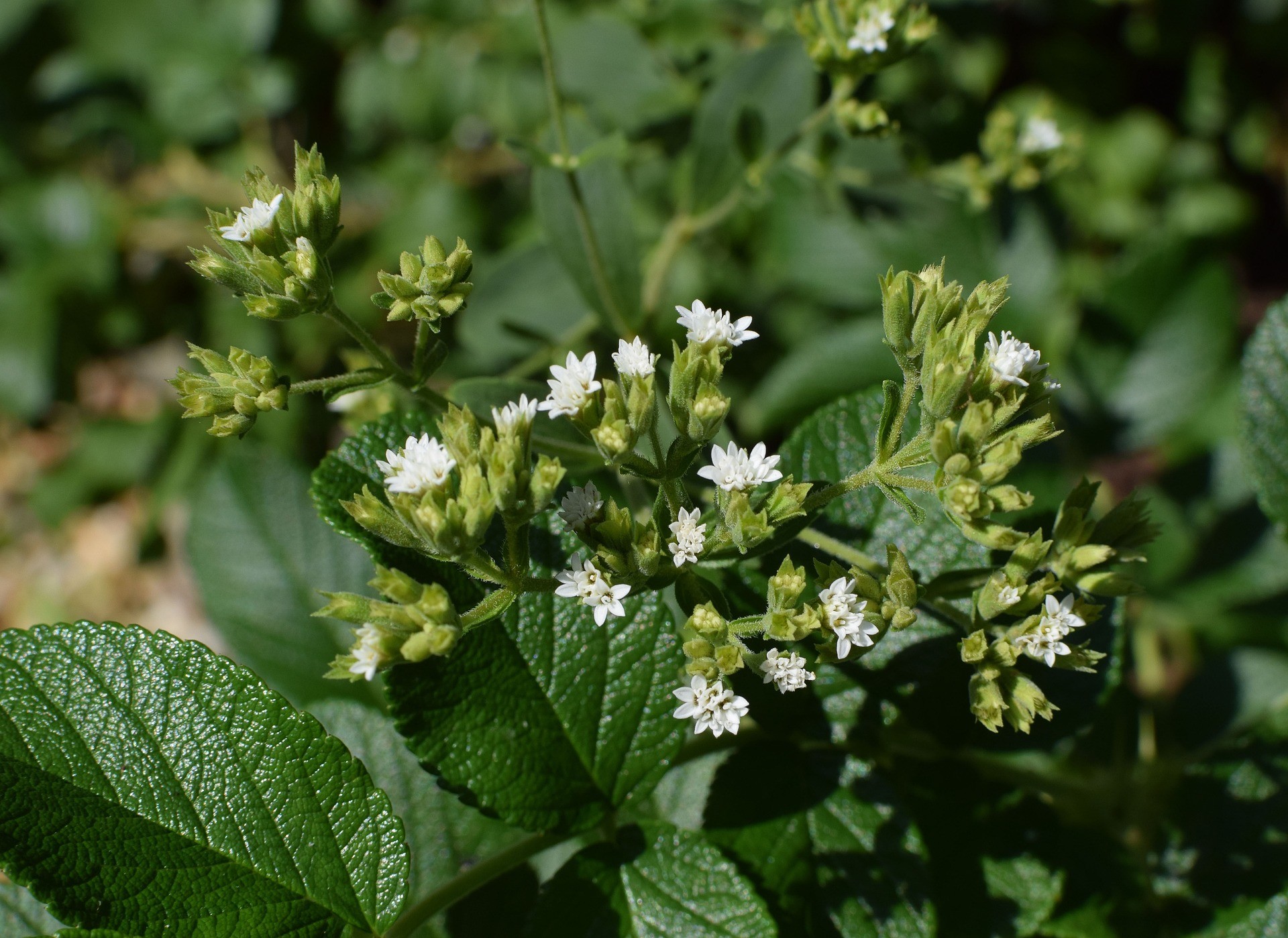


In a world where more and more bacteria are becoming resistant to antibiotics and the population is fighting new emerging viruses, individuals and researchers are looking for antimicrobial plants and extracts found in nature to understand new ways to combat these dangerous bugs. While there are many situations where antibiotics and conventional medicines are necessary, there are also some ways to include essential oils as a complement or natural alternative.
As with all essential oils, be sure to dilute them before use, especially if applying them on the skin. Many of these oils are quite strong, which makes it even more important to dilute them prior to use to prevent burns and irritations. Keep reading to see which of these top 10 antiviral and antibacterial oils will be best for you and your home.
This sweet and spicy oil has a comforting aroma reminiscent of autumn desserts, but it also has remarkable antibacterial and antiviral effects. Research has found that the cinnamon can also be helpful in fighting bacteria that cause cavities when used in the mouth, which is why you can find cinnamon toothpaste in natural product stores. Some studies have found that cinnamon oil can be effective against drug-resistant bacteria and can be used as a disinfectant for home surfaces. But before putting cinnamon oil on your skin or in your mouth, note that many manufacturers suggest not using cinnamon oil on the skin at all (even when diluted) due to the risk of burns.

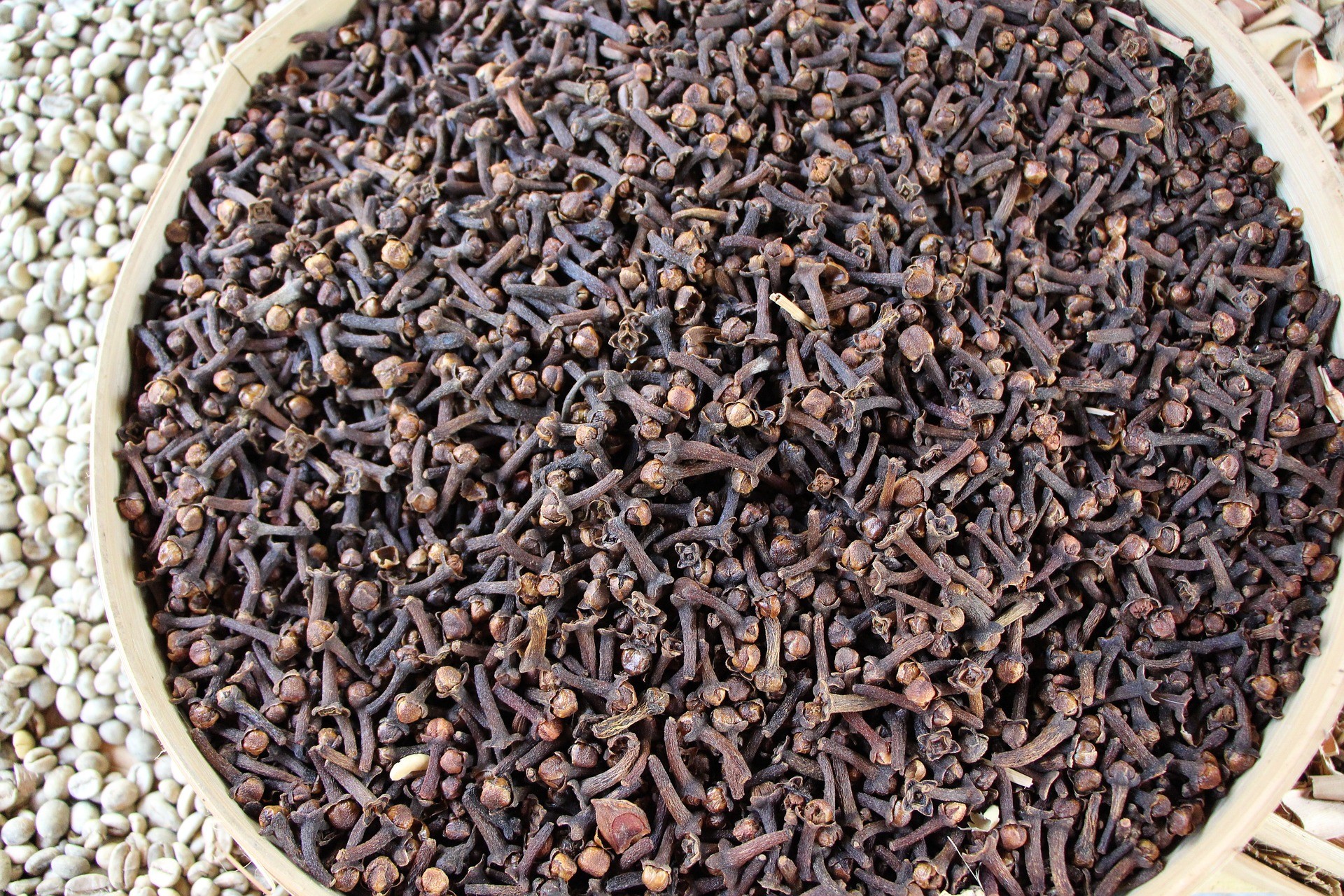
Another commonly used flavor in cooking. The clove is also a great essential oil for its impressive antimicrobial effects. Used in many cultures as a common pain reliever for its analgesic effects, clove is one of the best essential oils for blocking cavity-causing bacteria. Studies have found that clove essential oil is effective in blocking the growth of bacteria and fungi. It also appears to be able to penetrate biofilms and kill staphylococcus bacteria where conventional antibiotics struggle. But be careful: clove oil (like cinnamon) is extremely strong and can burn if not well diluted. Check with your veterinarian before diffusing this oil around your pets as it can be toxic to dogs and cats.
A concentrated essential oil, eucalyptus essential oil is one of the main ingredients in commercial cough suppressants and cough drops for good reason; it has been shown to really benefit health when people are sick. You can create your own homemade version by combining eucalyptus oil with others like peppermint to ease cough and help loosen phlegm from the chest when congested. The unique scent it offers can help open airways. Its antibacterial effects can also help fight germs. Be sure not to use it with children or pets: many of the strong oils in this list can harm them and eucalyptus is no exception.

You can find citronella in Asian-inspired cooking, but its uses go far beyond the kitchen. This essential oil has proven antimicrobial effects. Research shows that citronella is effective against bacteria that cause skin and respiratory infections. It can be made into an ointment or soothing topical that you can gently inhale. In addition to these benefits, citronella is also antifungal, fighting fungi that cause athlete’s foot. This is great to keep in your gym bag or medicine cabinet because it can be used for many different ailments.

This essential oil is extracted from dried sap and has a long history of use in traditional Chinese and Ayurvedic medicine. myrrh has a deep, warm, and comforting scent that can be soothing for the sick. Myrrh is valued for its antibacterial effects and has historically been burned to purify the air from contagious diseases. Keep in mind that traditional uses do not always equate to modern medicine, but we can look at how it was used in the past to gain ideas on how to use it in the present. While myrrh oil directly kills bacteria, it has also been shown to help stimulate the immune system, having a dual action effect against bacteria.

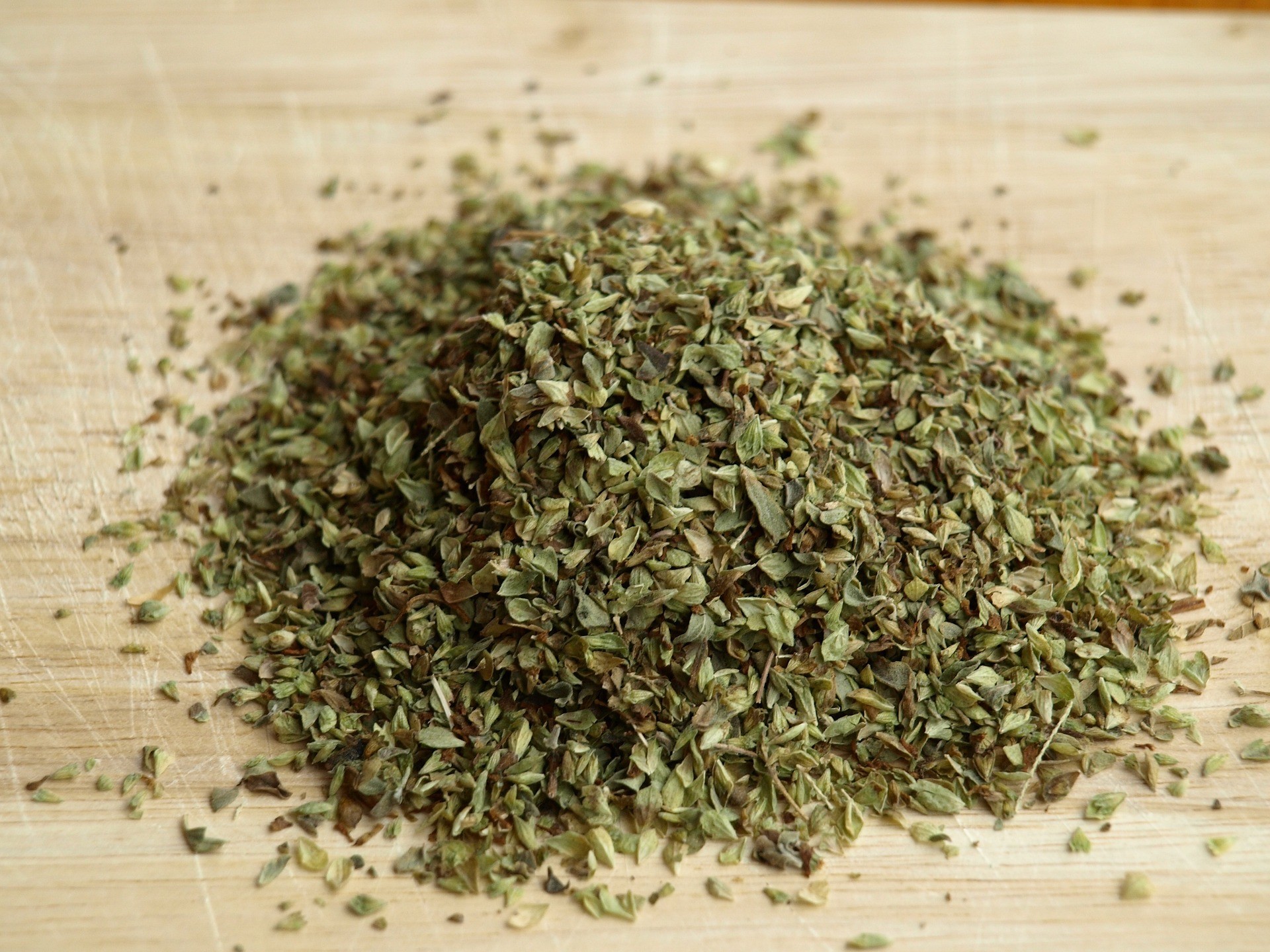
An herb that may be growing in your garden right now, this oil is extremely strong and should always be well diluted before use. oregano oil has powerful antibacterial effects that seem to rival conventional antibiotic drugs in some studies. Some doctors also use oregano oil as part of treatment for intestinal infections like small intestinal bacterial overgrowth (SIBO) – but be sure to talk to your doctor before taking oregano oil internally, as this strong oil can be dangerous if taken improperly and can interact with other prescribed medications. Many essential oils are quite potent!
This woody herb is perfect for more than just seasoning vegetables. Rosemary essential oil blocks the growth of bacteria and yeasts in laboratory environments. Studies show that rosemary oil is so effective at inhibiting bacteria that it is even used in food preservation for this reason. Research has found rosemary to be effective against bacteria such as E. coli, Staphylococcus aureus, and others. Food safety techniques are always the best solution in the kitchen, but this is a wonderful herb to use in cooking and as an essential oil for your health.

Think beyond using sage just to season your food and use this essential oil for its antimicrobial properties. Studies show that sage essential oil can prevent bacterial growth, even at relatively low concentrations (at least in laboratory settings!), which is great news for all frugal essential oil users. Sage essential oil contains several impressive chemical components that offer antibacterial, antifungal, and antiviral effects. This rich woody herb pairs well with thyme and oregano for their herbal scents and antimicrobial effects.

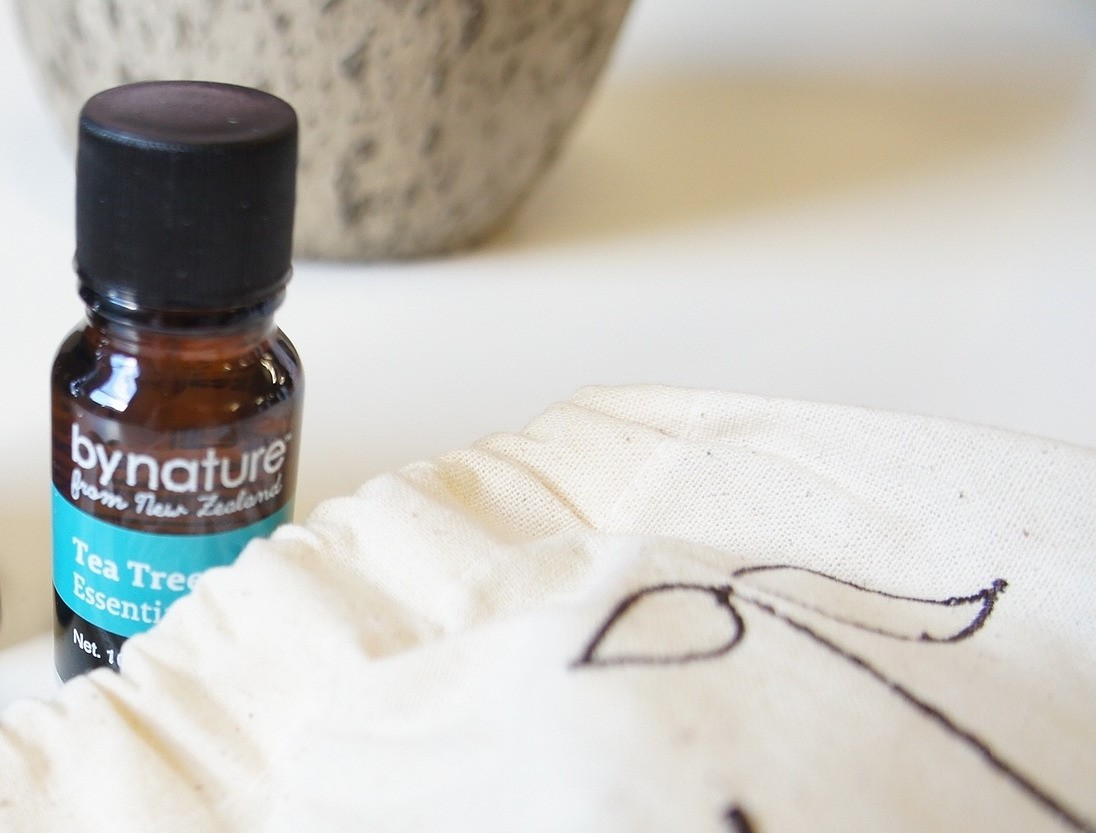
Tea tree oil has well-studied antibacterial and antiviral effects, making it a good option as a natural ingredient in an ointment for minor wounds and for treating bacteria-caused acne. Be sure to practice good care by washing any cuts or scrapes before applying it and always dilute this essential oil with a carrier oil like jojoba or coconut oil so it doesn’t end up irritating the skin. The antibacterial effects of tea tree oil also make it effective in treating acne with a bacterial cause, with research showing it comparable to conventional topical medications for acne treatment. While tea tree oil might be good for acne or skin cuts, keep it away from pets as it is toxic to dogs and cats.
Thyme essential oil is another excellent antibacterial oil to add to your cleaning or medicine cabinet. It has been used to reduce cough and shorten the duration of a cold in some studies. Thyme has several compounds that contribute to these antibacterial effects and has been shown to help manage oral bacteria, even being included in commercial mouthwashes. Be sure to dilute this essential oil because, like many green herb-based essential oils, it can be very strong and dangerous to use undiluted.

- Source Food Trends
- Bassett IB, Pannowitz DL, Barnetson RSC. A comparative study of tea-tree oil versus benzoyl peroxide in the treatment of acne. Med J Aust. 1990;153(8):455-458.
- Man A, Santacroce L, Jacob R, Mare A, Man L. Antimicrobial activity of six essential oils against a group of human pathogens: A comparative study. Pathogens. 2019;8(1).
- Orchard A, Van Vuuren S. Commercial Essential Oils as Potential Antimicrobials to Treat Skin Diseases. Evidence-based Complement Altern Med. 2017;2017.
- Deans SG, Ritchie G. Antibacterial properties of plant essential oils. International journal of food microbiology. 1987 Nov 1;5(2):165-80.
- Farag RS, Daw ZY, Hewedi FM, El-Baroty GS. Antimicrobial activity of some Egyptian spice essential oils. Journal of food protection. 1989 Sep;52(9):665-7.
- Hammer KA, Carson CF, Riley TV. Antimicrobial activity of essential oils and other plant extracts. Journal of applied microbiology. 1999 Jun;86(6):985-90.
- Kalemba DA, Kunicka A. Antibacterial and antifungal properties of essential oils. Current medicinal chemistry. 2003 May 1;10(10):813-29.