
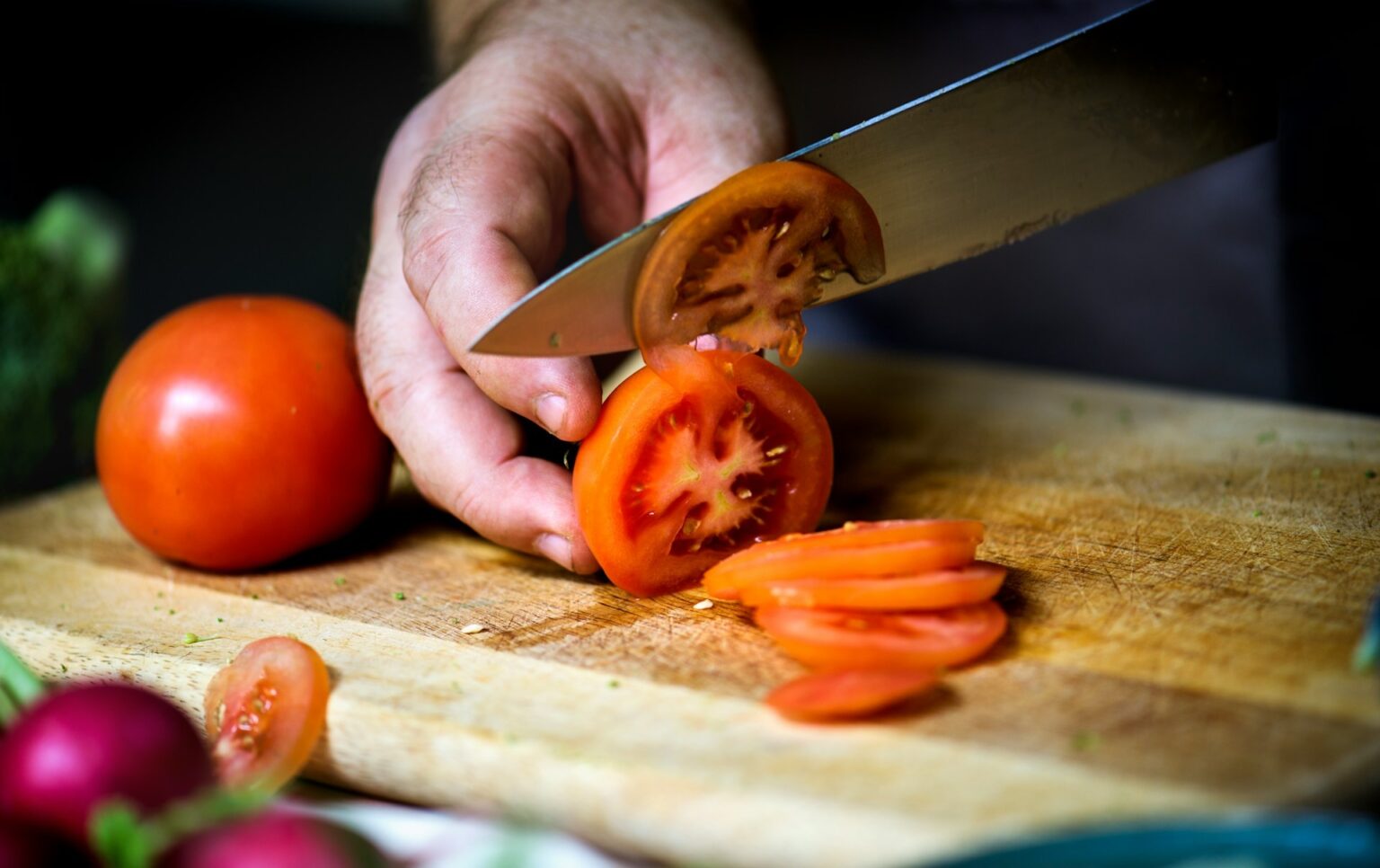

Today the tomato is everywhere: on pizza, in pasta, in Sunday sauces, in homemade preserves, in the simplest and most elaborate dishes. It is so central to Italian cuisine that it seems eternal. But no. For centuries it was viewed with suspicion, avoided, even feared. Its history is one of the most fascinating in European gastronomy: a journey that starts from the New World, passes through fears and prejudices, and becomes an identity symbol of an entire country.
A fruit that comes from afar
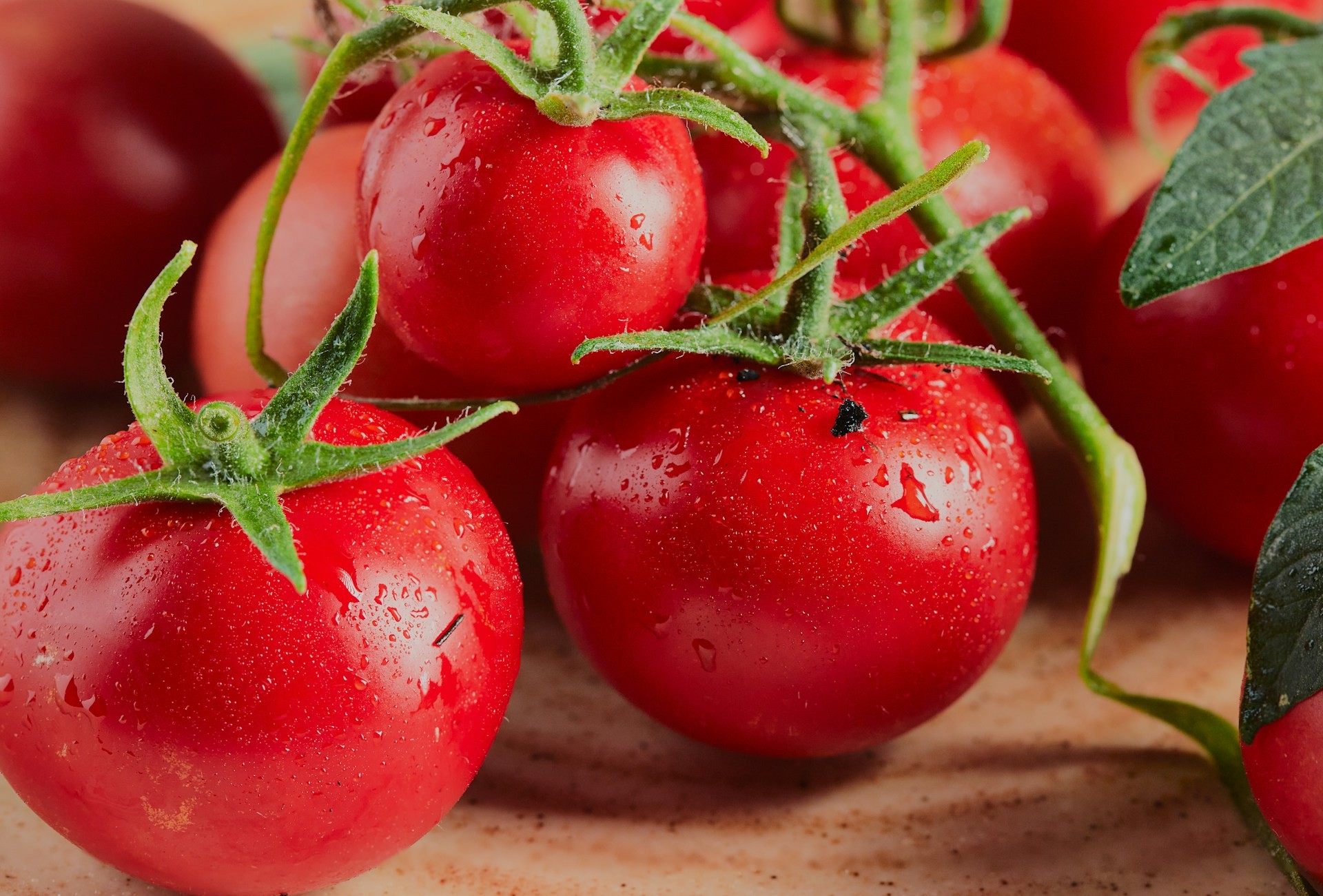
The tomato was not born on Italian tables. Its origins are South American, between present-day Peru and Mexico, where it was cultivated thousands of years ago by pre-Columbian peoples. It arrived in Europe in the 16th century along with other foods from the New World, but it took a long time before it was truly accepted.
At first, it was small, often yellow, and very different from what we know today. It was called pomo d’oro and grown mainly out of botanical curiosity, more than for kitchen use.
From “devil’s apple” to ornamental plant
The real obstacle was distrust. The tomato belongs to the nightshade family, the same as plants considered toxic. This detail was enough to make it suspicious: in many parts of Europe, the idea circulated that it was poisonous and could cause ailments.
For this reason, it remained out of recipes for a long time. It was grown in gardens as an ornamental plant, appreciated for the bright color of its fruits but rarely eaten. In some contexts, a mythology arose blending superstition and curiosity that made it even more “mysterious.”
Italy and the decisive turning point
The turning point happened between the 18th and 19th centuries, especially in Southern Italy, where the tomato found favorable climatic conditions and a popular cuisine ready to experiment. It was cheap, productive, versatile, and could be preserved: perfect traits for an ingredient destined to become daily.
In Campania and around Naples, the tomato truly entered culinary practice and began to be transformed into sauce. The first preserves were also created, designed to have a condiment available all year round: a decisive step for the widespread diffusion of this ingredient.
The sauce that changes everything
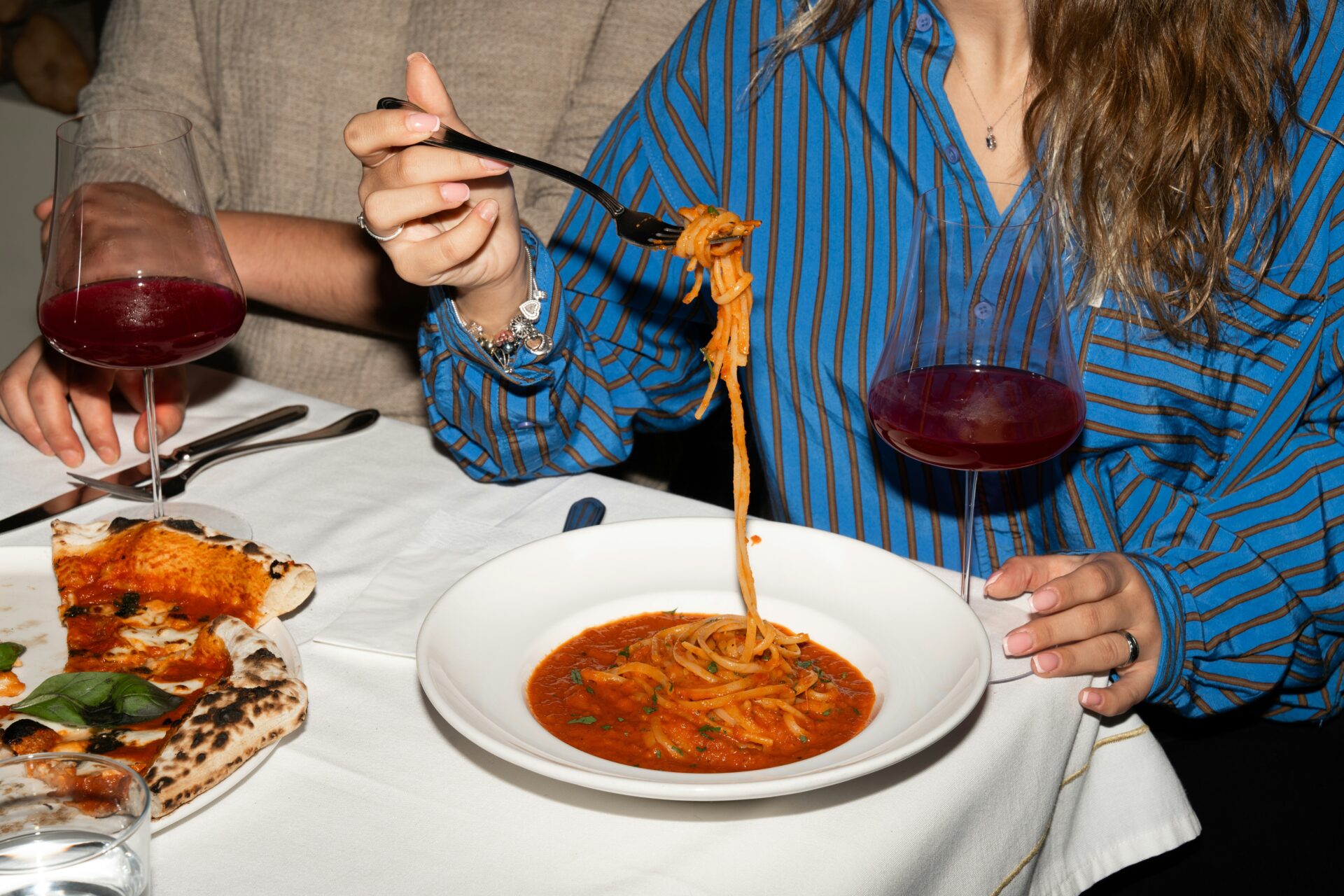
Tomato sauce is not just a preparation: it is a new gastronomic language. It brings balanced acidity, color, aroma, and a unique ability to enhance simple ingredients. In a few decades, it became a pillar of popular diet, then of national cuisine.
From there, the tomato spread across the peninsula assuming different roles: raw in salads, slowly cooked in ragù, concentrated in preserves, dried in sunnier regions. Every territory adapted it and made it their own.
Not an “ancient” ingredient, but an identity one
One of the most surprising curiosities is that many recipes today considered “traditional forever” would not exist without the tomato. Italian cuisine as we imagine it is more recent than it seems and has been built also thanks to this fruit from afar.
Yet, in a short time, the tomato became a national symbol: not only for its taste but for what it represents. It is home, simplicity, sharing. An ingredient that unites domestic cooking and restaurants, everyday life and celebration.
From the field to collective memory
The ritual of homemade tomato purée, especially in Central and Southern Italy, is one of the strongest cultural legacies linked to the tomato. It is not just cooking: it is family, shared work, seasonality, tradition handed down. An act that tells of a deep relationship with food, made of time and care.
For this reason too, the tomato has become something beyond nutrition: it is present in the imagination, in the colors associated with Italy worldwide, and in the very narrative of our gastronomic identity.
From suspect to king of cuisine
Rethinking the history of the tomato means remembering that gastronomy is never static. It changes, adapts, evolves. What we today consider “traditional” often originates from encounters, exchanges, and slow transformations.
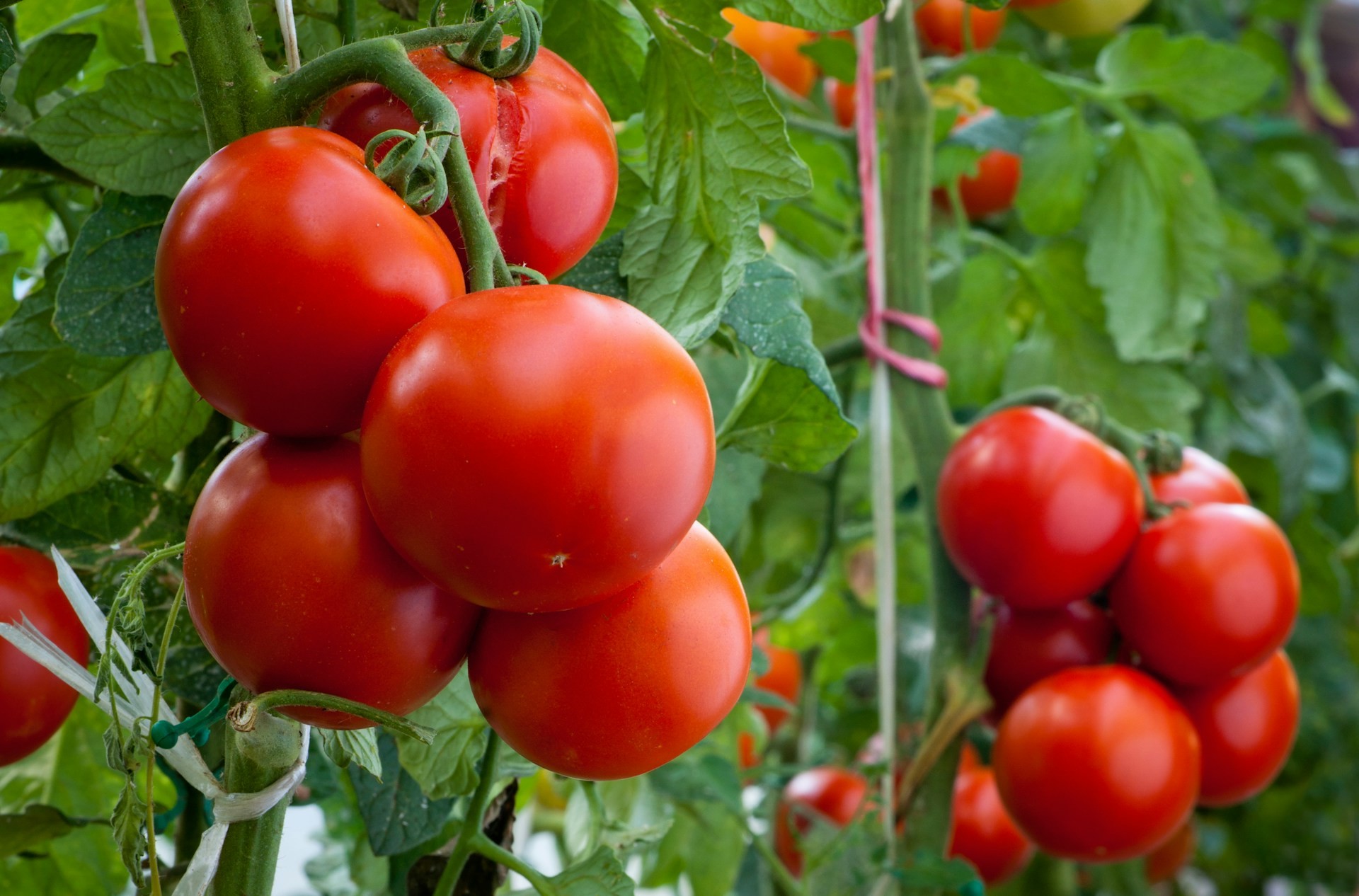
The tomato is the perfect example: from a plant viewed with suspicion to the undisputed king of Italian cuisine. An ingredient that tells better than many others how taste arises from time and the ability to transform the unknown into identity.
Final curiosity: the first tomatoes that arrived in Europe were often yellow. If today we call them tomatoes, it is precisely because of that color: pomo d’oro. A name that, in hindsight, proved to be a prophecy.