
Have you ever wondered who invented beer?
It is not only one of the most loved beverages in the world, but also one of the oldest in human history. Beer has accompanied the evolution of human civilizations, crossing millennia and adapting to the tastes, rituals, and cultures of every era. In this journey through archaeology, anthropology, and gastronomy, we will discover not only who invented beer, but also how this beverage influenced daily life, commerce, spirituality, and even medicine of ancient populations.
1. Where and when was beer born
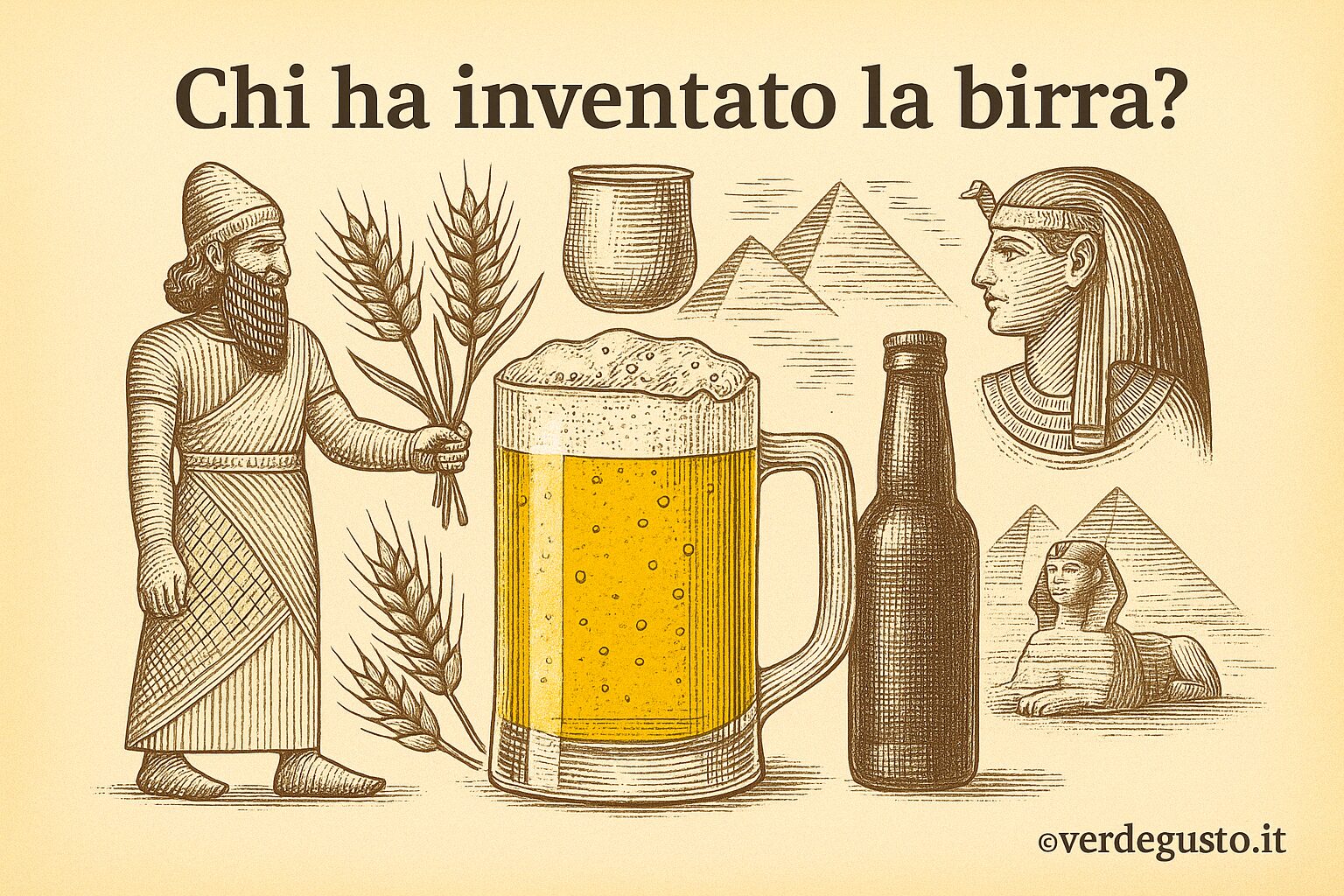
The earliest evidence of the existence of beer dates back over 7,000 years. Although it is not possible to attribute the invention of beer to a single civilization, the oldest findings come from Mesopotamia, particularly in the area that today corresponds to Iran and Iraq. The Sumerian populations, between 4000 and 3000 BC, left unequivocal traces of the production and consumption of a fermented cereal-based drink very similar to what we now call beer.
In some archaeological finds, remains of containers with traces of fermented cereals have been found, and on cuneiform tablets there are even primitive recipes. Beer, therefore, was born as an accidental product of the spontaneous fermentation of wheat or barley in the presence of water and natural yeasts.
Also discover:
- Getting to know beers
- Craft beer: how to recognize it in a few steps
- Beer containers: discover the ideal choice to enjoy the perfect beer
2. Beer in Mesopotamian and Egyptian culture
For the Sumerians, beer was not only food but also a sacred element. There was even a protective deity of beer: the goddess Ninkasi, to whom a hymn is dedicated that is considered one of the first “recipes” written for beer production. In the Egyptian world, on the other hand, beer was consumed daily by both rich and poor. It was produced with crumbled barley bread left to ferment in water, sometimes with the addition of dates to increase sweetness. Workers involved in pyramid construction received daily rations of beer as part of their salary.
Beer was considered a gift from the gods, so much so that it accompanied the deceased even into tombs to ensure them refreshment in the afterlife.
3. Who were the first “master brewers”?
Interestingly, the first brewers in history were women. In ancient societies, beer production was a domestic practice, mostly managed by women who prepared the beverage for family or community consumption. Over time, beer preparation became more structured and began to be exchanged and sold in markets.
In the Babylonian period, beer was so important that it was regulated by precise laws. In the famous Code of Hammurabi (around 1750 BC) there are specific references to the production and distribution of beer, as well as sanctions for those who altered its quality or prices.

4. How beer was produced in antiquity
Ancient beer production techniques differed greatly from modern ones. The main ingredients were cereals (especially barley), water, and natural fermenting agents. Often the process started with baking: the bread was baked incompletely, crumbled, mixed with water, and left to ferment.
The resulting beer was cloudy, unfiltered, often low in alcohol but rich in nutrients, and was drunk with the help of reed straws to avoid residues. It was considered a real source of energy, especially among the working classes. Over time, production was refined thanks to the use of terracotta tools, rudimentary fermenters, and empirical methods to control fermentation times.
5. From medieval beer to modern beers
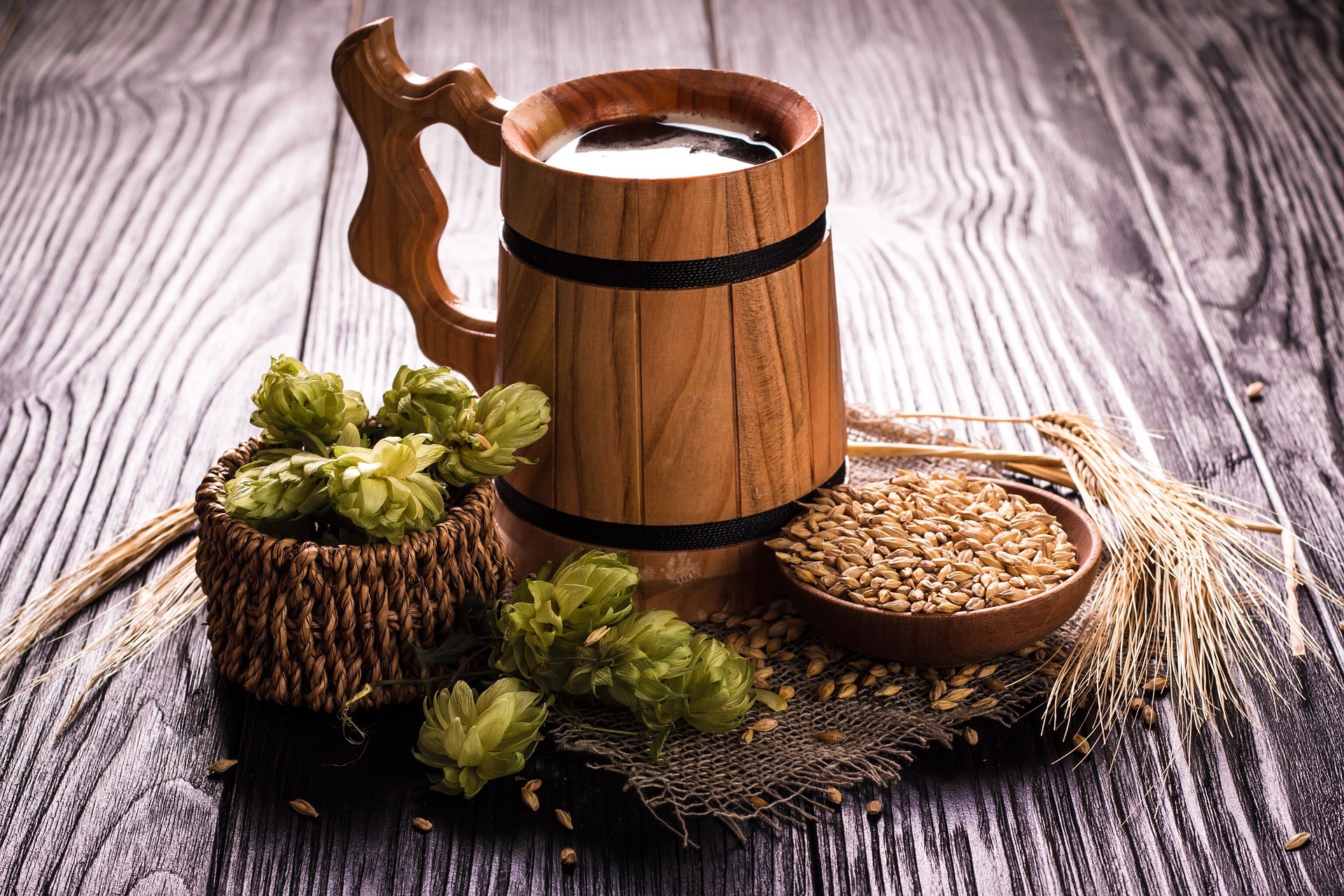
With the fall of the Roman Empire, beer production developed mainly in Northern European countries. Medieval monasteries played a fundamental role in improving brewing techniques. Monks not only preserved technical knowledge but began adding hops to stabilize and flavor the beer.
At this time, beer also became a safer alternative to water, which was often contaminated. In many regions, every village had its brewery and the beverage was an integral part of the daily diet.
The industrial revolution brought beer into a new era: with the advent of metal tools, pasteurization, and refrigeration, beer could be produced in large quantities and preserved longer. Thus, the first large breweries were born and distribution expanded internationally.
6. Historical curiosities: beer was also a medicine
In many ancient cultures, beer was also considered a therapeutic remedy. The Sumerians and Egyptians used certain varieties of beer to treat digestive disorders, female problems, and infections. Fermented ingredients were believed to be healthful, and some medical texts recommended beer as a vehicle to administer medicinal herbs.
Even in the Middle Ages, beer was considered safer than water and was often given to children (in very light versions). Some beers were specially prepared with medicinal plants for healing purposes.
7. How beer evolved in Europe
From the Renaissance onwards, beer became an increasingly widespread product in courts and cities. Northern European countries, in particular Germany, Belgium, and England, developed distinct beer styles and refined production techniques.
In 1516 Germany promulgated the Reinheitsgebot, the famous “Purity Law,” which established that beer could only be produced with water, barley, and hops (later yeast as well). This helped improve product quality and standardize its characteristics.
8. The first craft and industrial beers
In the 19th century, with the advent of the industrial revolution, beer production experienced a decisive turning point. Thanks to scientific discoveries (such as Pasteur’s studies on fermentation), it became possible to control the processes with greater precision and hygiene.
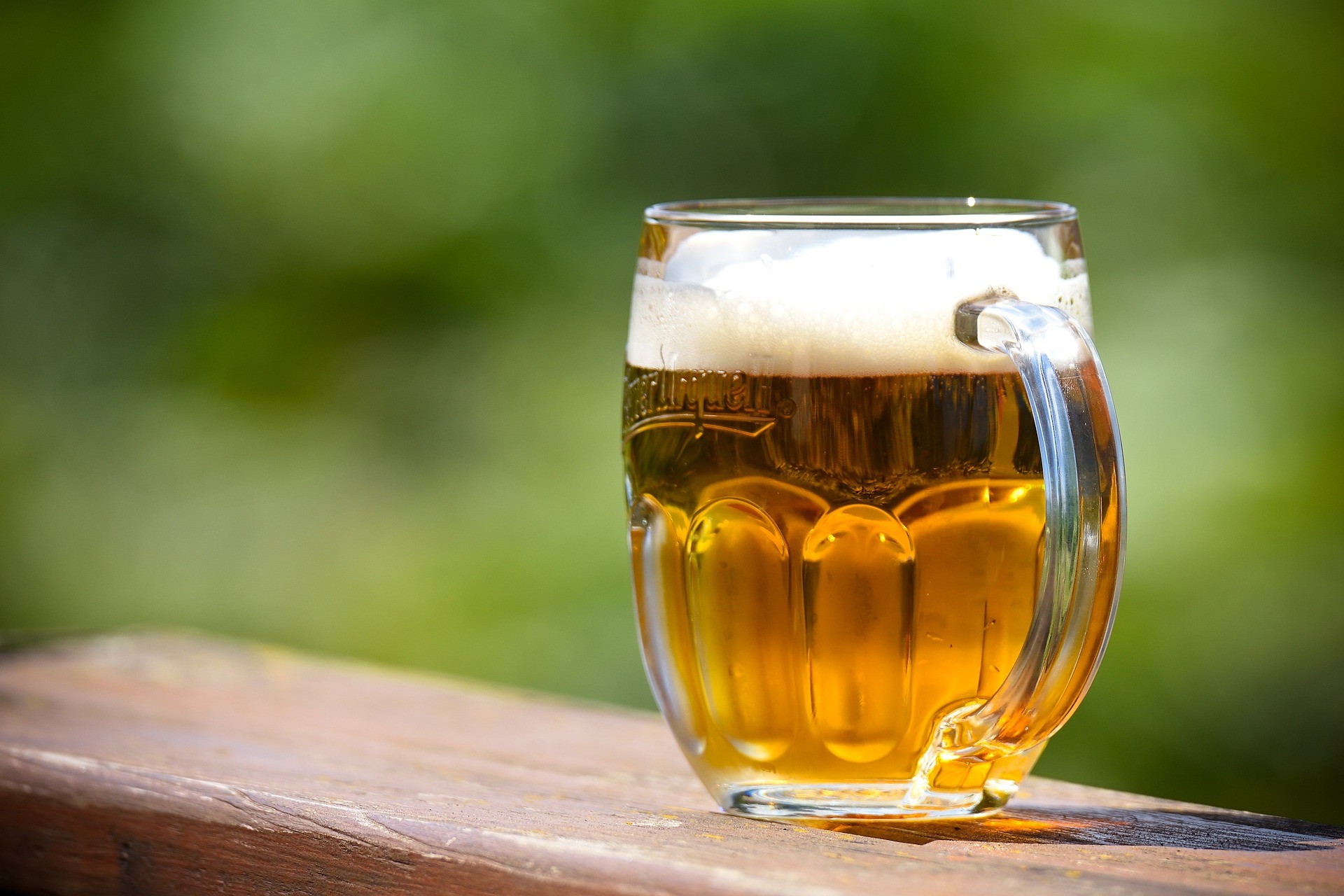
Craft beers remained rooted in local contexts, while industrial beers began to be produced on a large scale. Historic brands like Guinness, Pilsner Urquell e Heineken began to spread throughout Europe and the world.
9. Beer Today: Culture, Rituals, and Trends
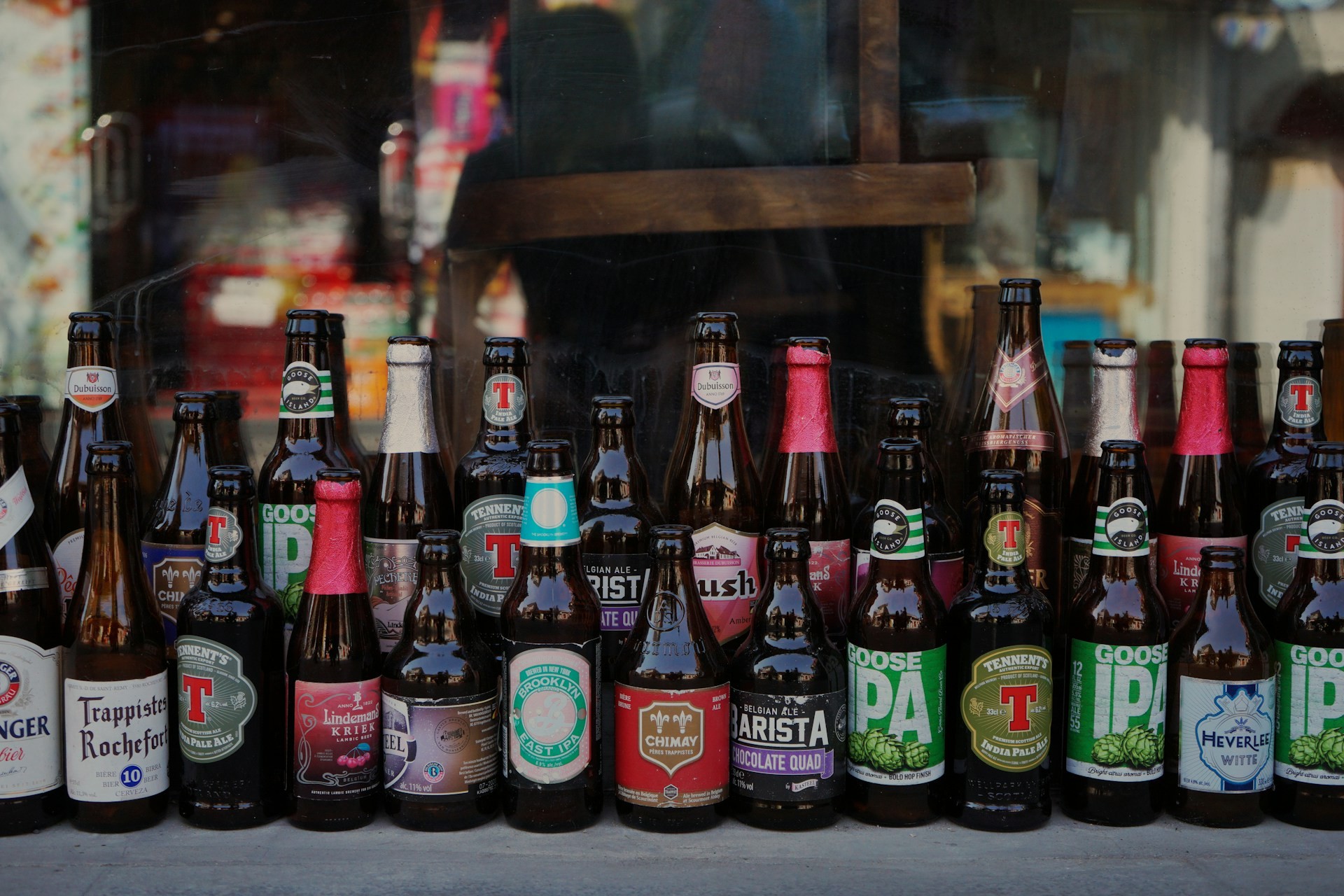
Today beer is much more than just a beverage. It represents a social ritual, a symbol of conviviality, a product of culture and experimentation. There are hundreds of beer styles, each with different aromas, colors, and alcohol content.
Many consumers are increasingly attentive to the quality of ingredients, the origin of barley or hops, and the sustainability of production processes. Organic, gluten-free, non-alcoholic beers or beers enriched with unusual ingredients are becoming more popular.
10. Why Beer Continues to Fascinate
Beer has its charm perhaps because it is a profoundly human drink. It is born from a simple and ancient process but has managed to adapt to every era and culture. Beer tells stories of community, sharing, and artisan knowledge. Every sip is a fragment of history, a trace of our evolution.
Knowing who invented beer is just the beginning: understanding its evolution means connecting with who we have been and what we continue to seek. Taste, conviviality, identity. And in the end, toasting with a beer is always a way to celebrate life.
Frequently Asked Questions
Who invented beer?
There isn’t a single inventor, but the earliest evidence dates back to Mesopotamia between 4000 and 3000 BC with the Sumerians producing a fermented beverage made from grains.
What is the oldest known beer in the world?
One of the oldest recipes is contained in the hymn to Ninkasi, a Sumerian goddess, considered the first written document on how to produce beer.
Was beer really used as medicine?
Yes, in many ancient cultures beer was considered a remedy for digestive problems, infections, and other ailments, thanks to the fermented ingredients and its ability to carry healing herbs.
Why is hops so important in beer?
Hops not only give aroma and bitterness to beer but also have antiseptic properties that help preserve it longer.