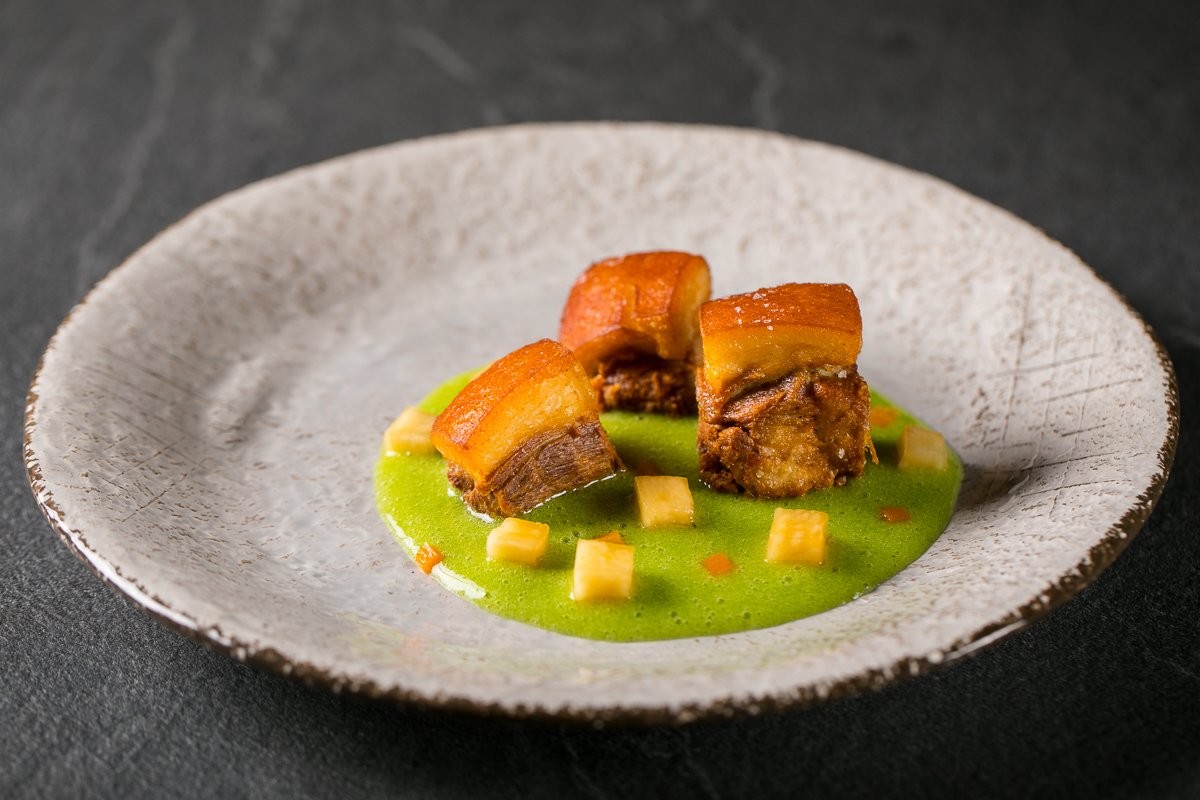

In December 2025, Italian cuisine was officially inscribed on the UNESCO Intangible Cultural Heritage List. It is a historic but above all symbolic recognition: it does not celebrate a single dish, a recipe or a culinary style, but an entire way of life.
It is a heritage that does not originate in a single year or place, but in centuries of exchanges, contaminations, farming, family rituals and community traditions. And it is precisely this living, daily, collective nature that makes Italian cuisine a cultural asset that deserves to be protected and passed on.
Why Italian cuisine is intangible cultural heritage of humanity
UNESCO’s recognition is based on deep elements that go beyond the gastronomic dimension and speak of identity, community, and the future.
1. A culture of conviviality
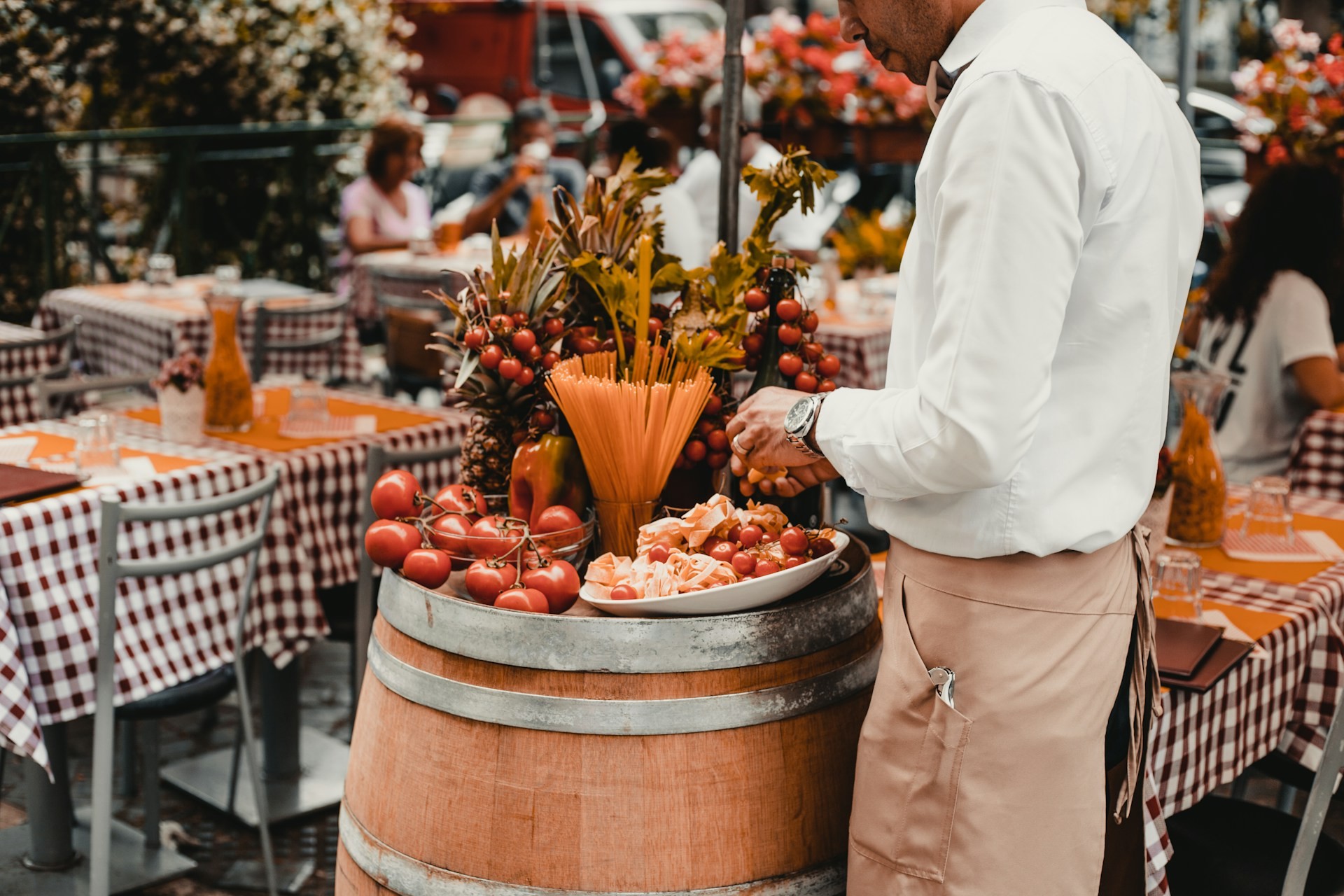
In Italy, cooking is not just for nourishment. It is for meeting, being together, celebrating. Food is an affectionate language: an invitation, care, attention. The table is a place of dialogue, family, and community. Every shared meal becomes a small ritual that strengthens bonds.
2. A mosaic of local traditions
Italian cuisine is not one single cuisine: it is a thousand cuisines, different from region to region, valley to valley, family to family. It is a heritage made of orally transmitted recipes, culinary dialects, gestures passed hand to hand. Every territory preserves its own flavors, techniques, and ingredients, but all contribute to telling a single story.
3. A model of biodiversity
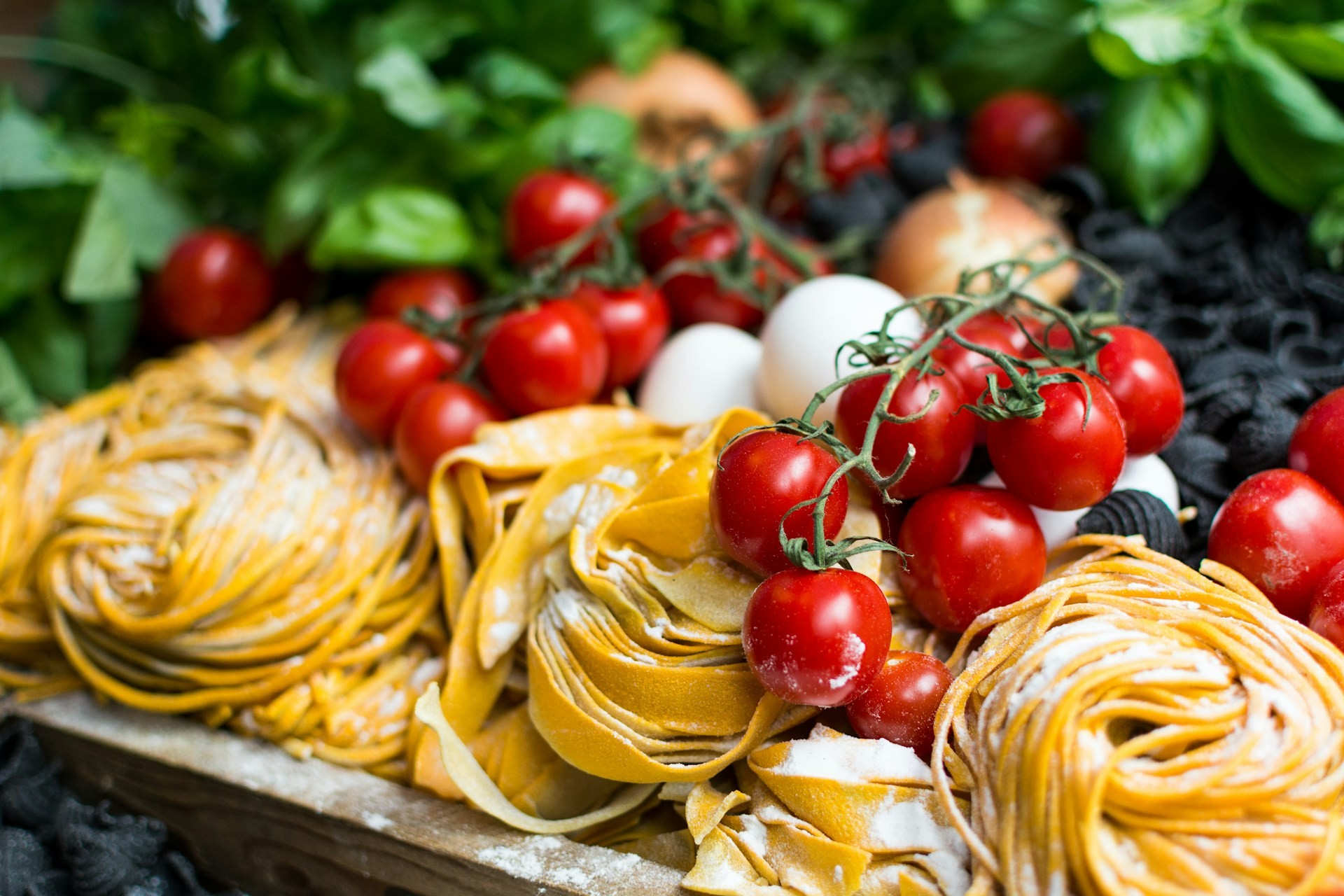
From ancient grains to varieties of tomatoes, from wild herbs to mountain cheeses, to traditional agricultural techniques, Italian cuisine is based on a biodiversity unique in the world. Seasonality, quality of raw materials, short supply chains, and respect for the environment are central elements of this model, which combines taste, health, and sustainability.
4. A balance between memory and innovation
Recipes change, transform, dialogue with the present without losing their soul. Italian cuisine is not a museum but a living ecosystem: it welcomes influences, trends, new sensibilities, keeping at the center the values of authenticity, sharing, and care. Each generation adds a piece without erasing what came before.
5. A heritage that unites Italians around the world
The Italian diaspora has taken our flavors everywhere, but it has not exported only dishes: it has transmitted a way of cooking and being together. Italian trattorias, family restaurants, pizzerias, bakeries and shops worldwide are places where cuisine becomes a bridge between identity, memory, and integration.
Essential history of Italian cuisine: a journey through centuries
From rural kitchens to medieval villages
For centuries, Italian cuisine has been cuisine of the land, of necessity, of seasons. Bread, legumes, vegetables, slow cooking, preserves: the peasant root is the basis of our culinary identity. Every dish was born from the balance between what the land offered and the necessity of wasting nothing.
The great exchanges of the Mediterranean
Spices, citrus fruits, rice, sugar, Arab and Byzantine techniques, French and Spanish influences: Italian cuisine became great by welcoming the world. The Mediterranean has been and remains a crossroads of knowledge, ingredients, and cultures that enriched the tables of the peninsula.
The tomato revolution
The arrival of the tomato, between the seventeenth and eighteenth centuries, profoundly changes our gastronomy. It becomes a symbol of modern Italian cuisine, the star of sauces, gravies, and iconic dishes that today identify Italy in every corner of the planet.
Nineteenth and twentieth centuries: the birth of the idea of “national cuisine”
Regional cuisine remains strong, but a shared language begins to form: pasta, wine, bread, oil, Sunday rituals, recipes that spread throughout the peninsula. Manuals, cookbooks, and recipe collections help build a common imagination that complements, without erasing, local identities.
Today: tradition and research
In contemporary Italy, chefs, artisans, producers, farmers, and families preserve and renew the gastronomic heritage. Italian cuisine today is at once home, restaurant, shop, laboratory: a place where memory and innovation continually meet.
Italian cuisine as a living heritage
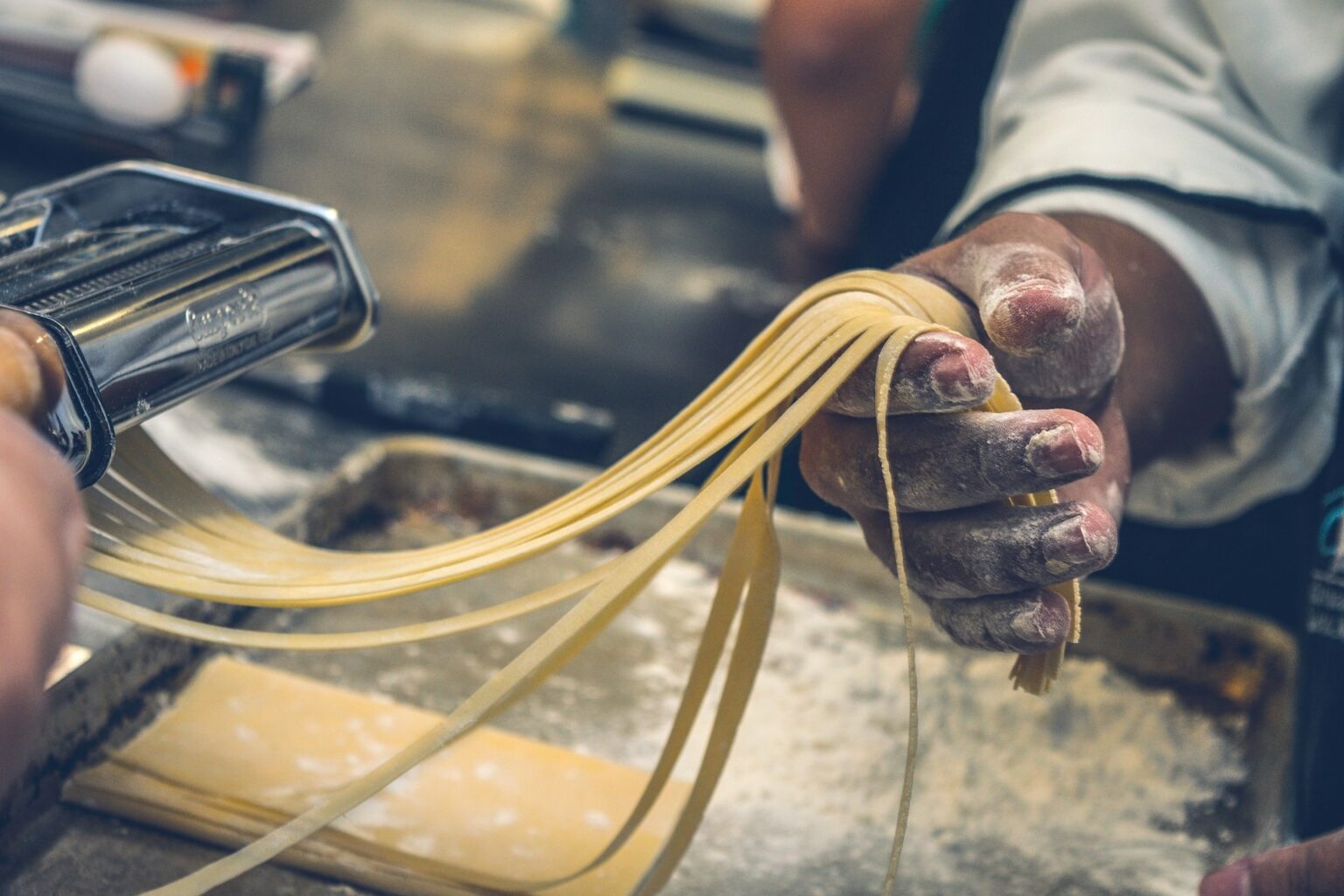
The strength of Italian cuisine is its everyday dimension. It is not a distant symbol but a gesture: kneading dough, choosing ripe tomatoes, shopping at the market, preparing a sauce and letting it simmer, gathering the stories behind each recipe. Gastronomic culture is handed down through repeated gestures, celebrations, family gatherings.
It is popular, communal, accessible culture. It is the union of simplicity and complexity, essential flavors and refined technique. A living heritage because it lives in those who practice it.
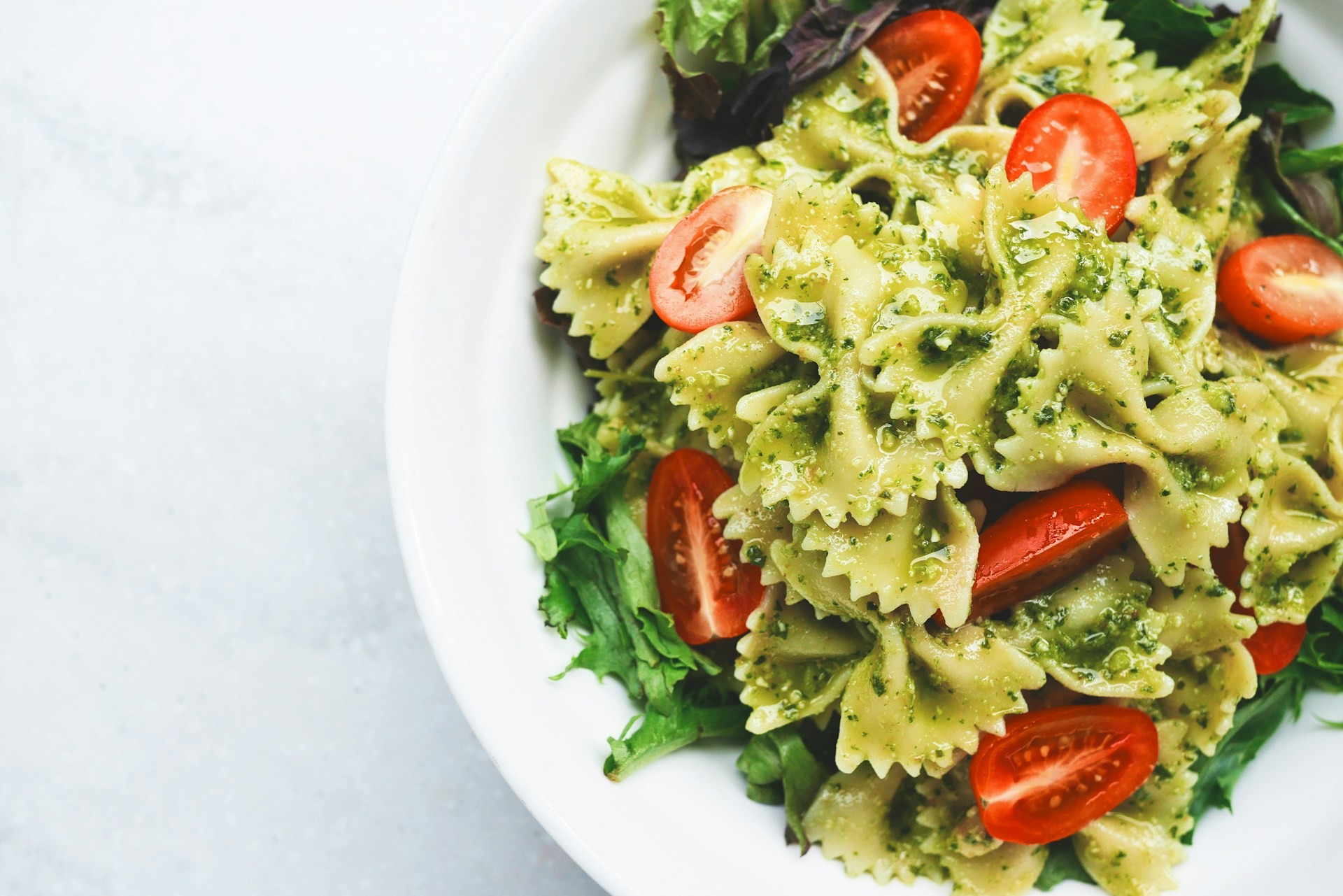
Regional cuisines: identities that compose a single story
Every area of Italy tells a different way of interpreting the same elements: wheat, oil, vegetables, meat, fish, cheeses. Regional cuisines are autonomous identities but at the same time parts of a common tale.
North
In the North, butter, alpine cheeses, rice, soups, polenta, wild herbs dominate. It is a cuisine often linked to the harsh climate and work in the mountains or plains, with nourishing and hearty dishes.
Center
In Central Italy, tradition combines handmade pasta, game, simple bread, garden vegetables, and extra virgin olive oil. It is a balanced cuisine that tells of the countryside, hills, and art cities.
South
In the South, the sun literally enters the dishes: tomatoes, citrus, hard wheat, legumes, fish, warm spices, preserves. Southern cuisine is an intensity of colors, aromas, and flavors, linked to a peasant tradition that knew how to do much with little.
Islands
The islands preserve Arab, Mediterranean, and pastoral flavors, the result of centuries of contamination. Here cuisine is a synthesis of sea and land, of ancient routes and very strong identities.
The sustainable dimension: a universal message
Italian cuisine has become a UNESCO heritage also because it represents a global model of sustainability:
- attention to seasons and natural cycles;
- respect for the land and agricultural work;
- enhancement of local ingredients;
- fight against waste through recovery recipes;
- nutritional balance inspired by the Mediterranean diet.
In a world seeking new balances, Italian cuisine offers a possible example: good, healthy, sustainable. Cafeteria, market, and territory thus become part of a single cultural system.
Italian cuisine as a bridge between generations
In Italy food is a heritage that is often passed on without written documents. Memory is in the eyes and hands: “look how it’s done,” “feel it when it’s ready,” “taste and understand what’s missing.” It is knowledge that one does not learn alone: it is received and given back.
For this reason, Italian cuisine is intangible heritage: it lives in people, families, communities. Every recipe is a story, every table is a place of cultural transmission.
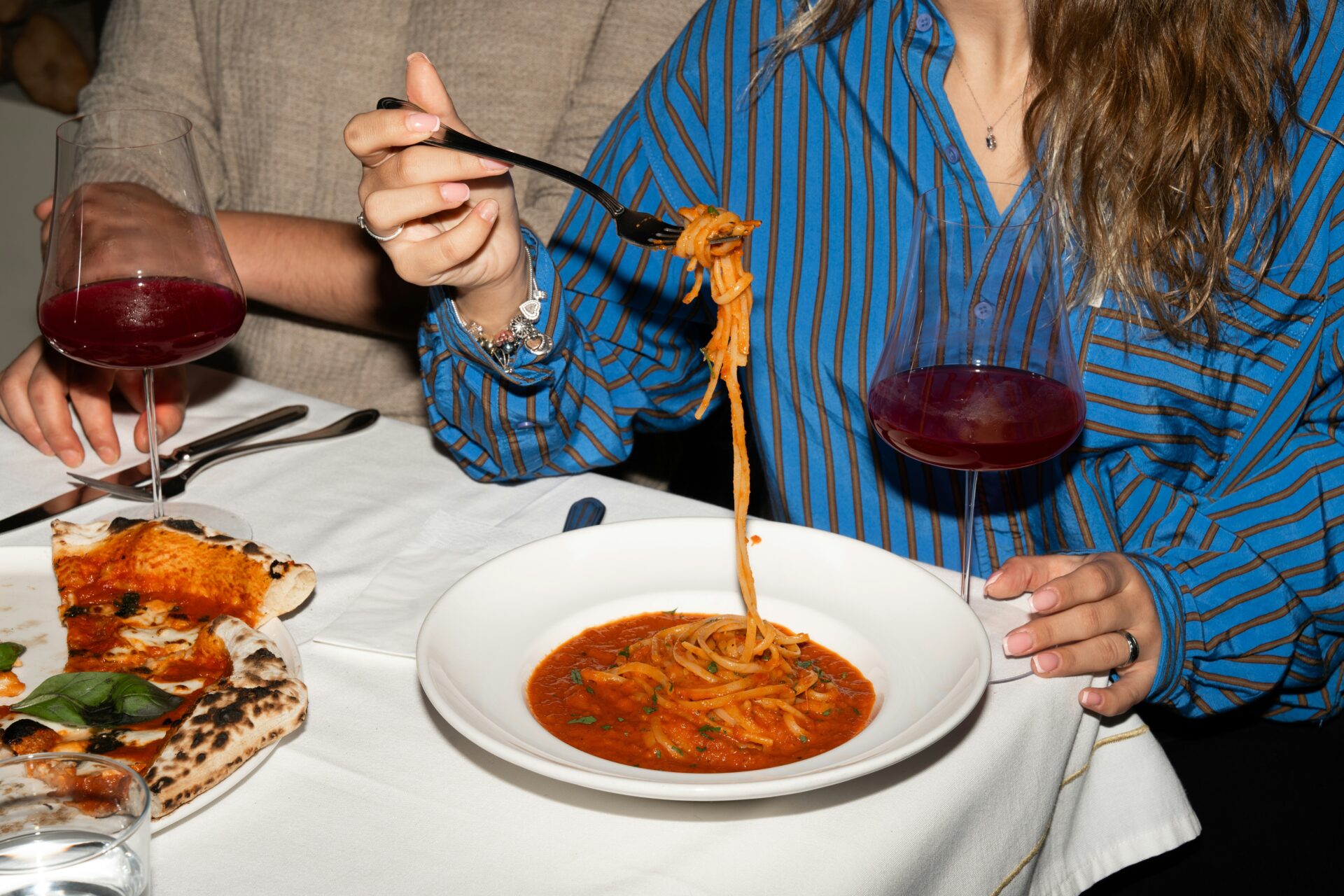
Frequently asked questions about Italian cuisine UNESCO heritage
What does intangible cultural heritage mean?
Intangible cultural heritage includes traditions, knowledge, rituals, and practices that a community recognizes as part of its identity. They are not objects, but gestures, knowledge, shared languages.
What other Italian intangible heritages are recognized by UNESCO?
Among the best known are the art of Neapolitan pizzaioli, the Mediterranean diet, transhumance, the construction of dry stone walls in agriculture, the cultivation of the bush vine of Pantelleria, and other practices related to the agri-food world and traditional knowledge.
Why is Italian cuisine considered a universal heritage?
Because it is an example of biodiversity, sustainability, conviviality, and tradition that has influenced cultures all over the world. Italian cuisine is felt as close and inclusive, capable of overcoming linguistic, cultural, and generational barriers.
What does this recognition change in everyday life?
In everyday life nothing changes suddenly, but the UNESCO recognition strengthens the idea that our cuisine must be protected and valued: supporting small producers, choosing quality raw materials, respecting seasons, preserving local recipes and traditions.
A heritage to live every day
The UNESCO recognition does not close a path: it opens one. It invites us to protect what makes our cuisine great, not only in starred restaurants but especially in homes, shops, markets, and small towns where tradition still lives intact.
Italian cuisine is a heritage of humanity because it belongs to everyone. It will continue to be so as long as we continue to cook, tell stories, share, and pass down. Every time we set a table with care, choose ingredients consciously, transform a dish into a moment of connection, we give life to this living heritage.