

High cholesterol is one of the main causes of heart disease. During risk factor assessment, the doctor recommends testing total cholesterol, low-density lipoprotein (LDL), and high-density lipoprotein (HDL) levels.
High levels of total cholesterol and LDL increase the risk of heart disease, while high levels of HDL cholesterol are a protective factor. Your daily diet plays an important role in achieving and maintaining your health goals. High cholesterol can be effectively prevented and controlled with a combination of a good diet, regular exercise, ideal body weight, and a generally healthy lifestyle. In addition to this, some commonly used cooking ingredients can help manage high cholesterol levels.
Here are some home remedies to manage cholesterol levels.
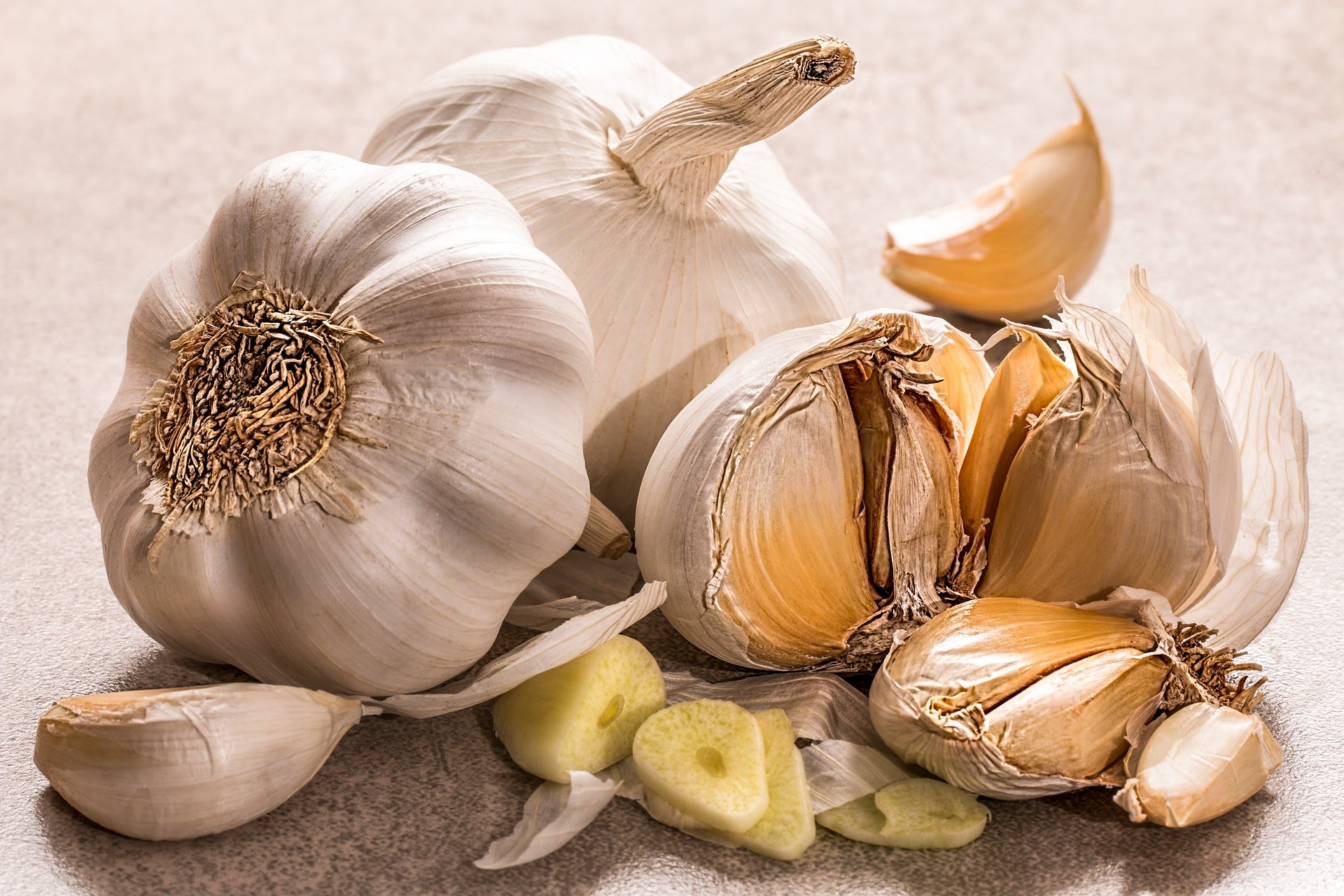
Commonly used in cooking, garlic is known for its health benefits. Garlic consists of amino acids, vitamins, minerals, and organosulfur compounds such as allicin, ajoene, S-allylcysteine, S-ethylcysteine, and diallyl sulfide. These sulfur compounds are said to be the active principles that give garlic its therapeutic properties. Numerous scientific studies have shown that garlic is effective in significantly reducing total and LDL cholesterol. The evidence of its effect on HDL or good cholesterol is contradictory, with one study reporting an increase in HDL levels and another showing no effect. It has also been found to have a positive effect on blood pressure and the antioxidant potential of the blood. Consuming 1/2 to 1 clove of garlic per day could reduce cholesterol levels by up to 9%.
The most consumed liquid after water, green tea is a rich source of polyphenols. These compounds provide immense health benefits for the human body. Green tea has the highest concentration of polyphenols linked not only to the reduction of LDL cholesterol but also to the increase of HDL cholesterol. A population-based study showed that men who drank green tea had lower cholesterol levels compared to those who did not. Studies have indicated that tea polyphenols can block cholesterol absorption in the intestines and also help eliminate it. 2-3 cups of green tea are all you need.

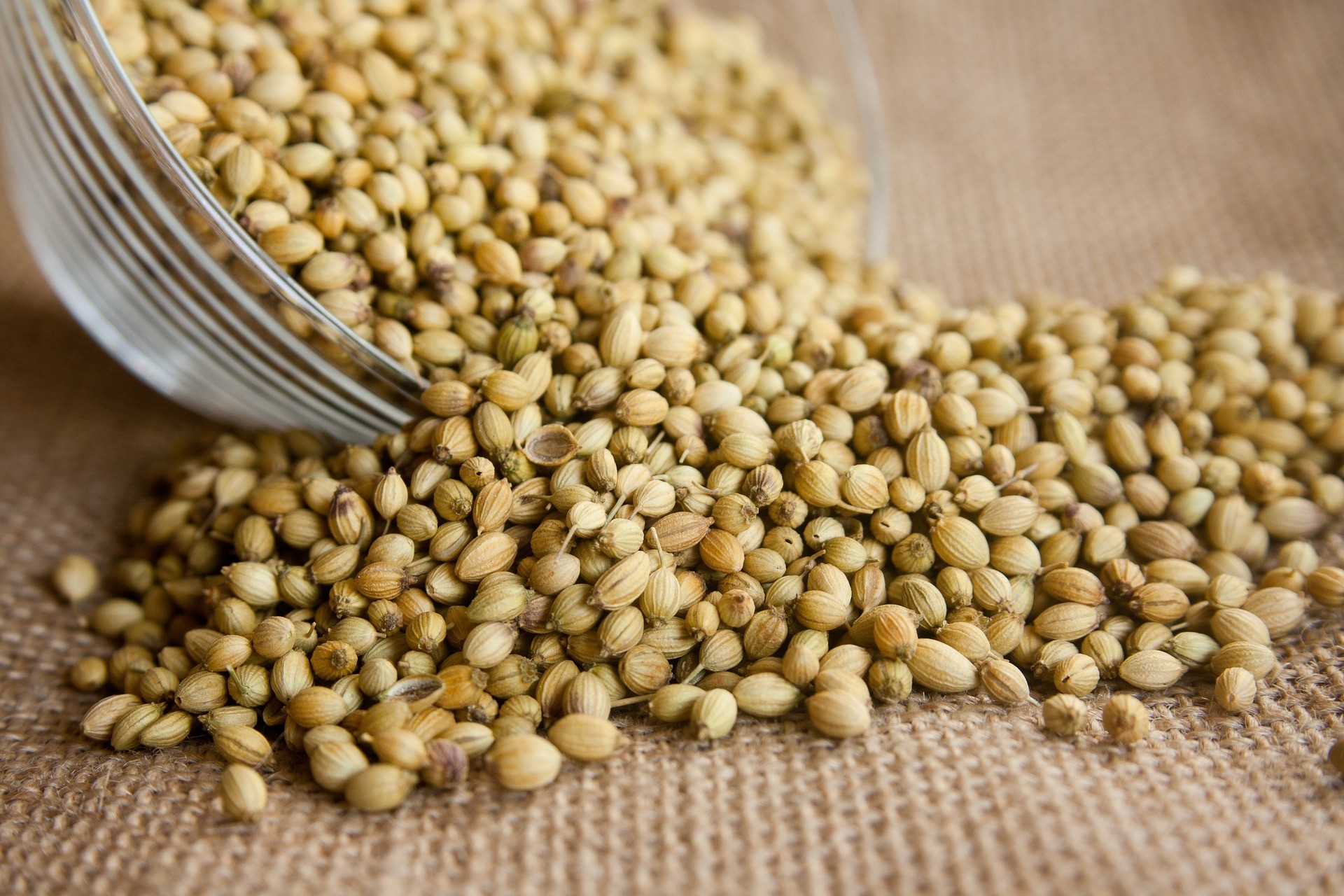
The humble Dhaniya seeds have been used in Ayurveda for a variety of ailments. Among the long list, lowering bad cholesterol is one of them.Coriander seeds contain numerous key vitamins such as folic acid, vitamin A, and beta-carotene, and especially vitamin C.
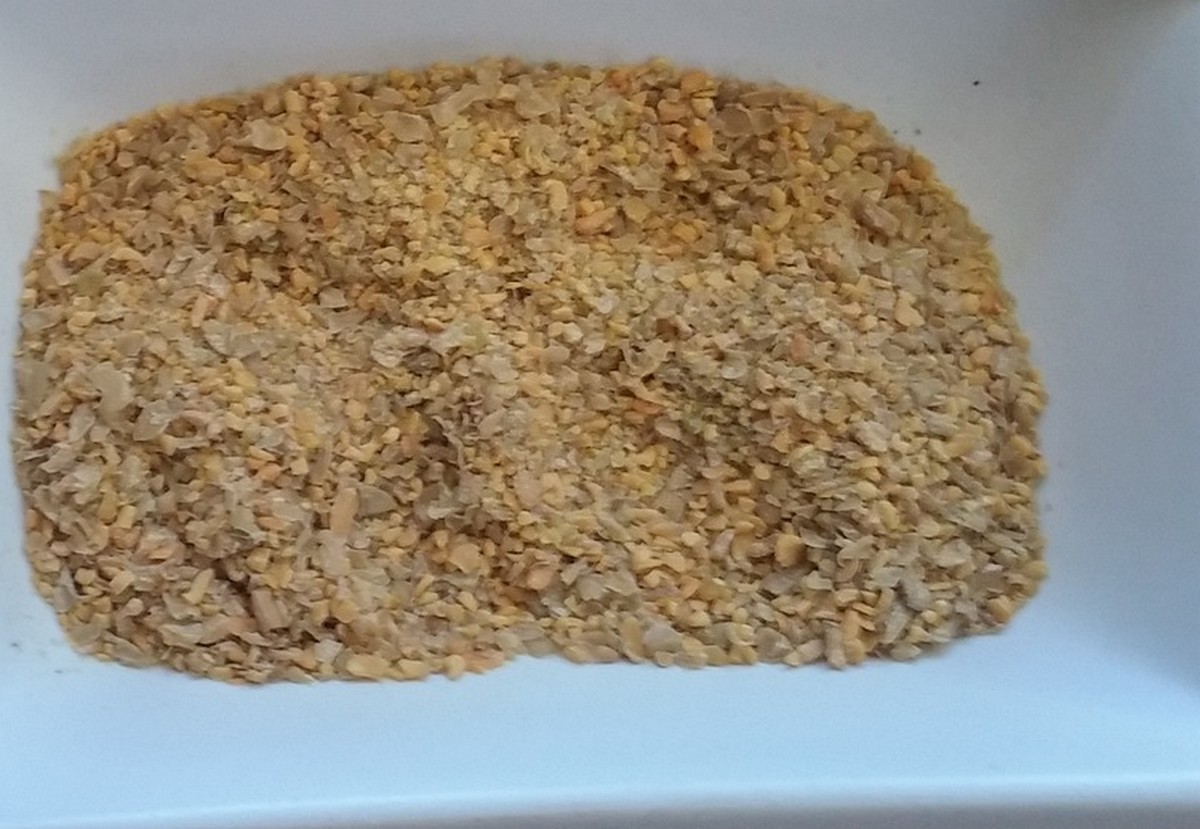
In 1998, the United States FDA approved a health claim for psyllium: “3 to 12 grams of soluble fiber from psyllium seed husk, if included as part of a diet low in saturated fat and cholesterol, may reduce the risk of heart disease.” Psyllium husk comes from the crushed seeds of the Plantago Ovata plant and is a rich source of soluble fiber. Numerous studies confirm the benefits of soluble fiber in lowering LDL cholesterol. Daily meals provide the soluble fiber necessary to keep our cholesterol in check.

Methi seeds, as they are known to us, have been used as a popular culinary spice, flavoring agent, and medicinal plant since time immemorial. Methi seeds are rich in vitamin E and possess antidiabetic, anti-inflammatory, and antioxidant properties. The saponins present in fenugreek help remove cholesterol from the body, and its fiber helps reduce synthesis in the liver. 1/2 to 1 teaspoon of fenugreek seeds per day is recommended.
It is one of the richest sources of vitamin C and phenolic compounds as well as minerals and amino acids. The amla fruit has been used in Ayurveda asrasayan for the treatment of various diseases. A study published in an Indian pharmacology journal compared the effect of cholesterol-lowering drugs to amla. In addition to lowering cholesterol, amla was found to provide the added advantage of protection against atherosclerosis and CAD. Daily intake of amla not only reduces bad cholesterol levels but also decreases damage caused by oxidation. One to two amla fruits can be consumed daily.

Conclusion
These foods should be consumed in their natural form as part of a healthy lifestyle to achieve your health goals. Cholesterol-lowering medications should not be taken or discontinued without a doctor’s order.