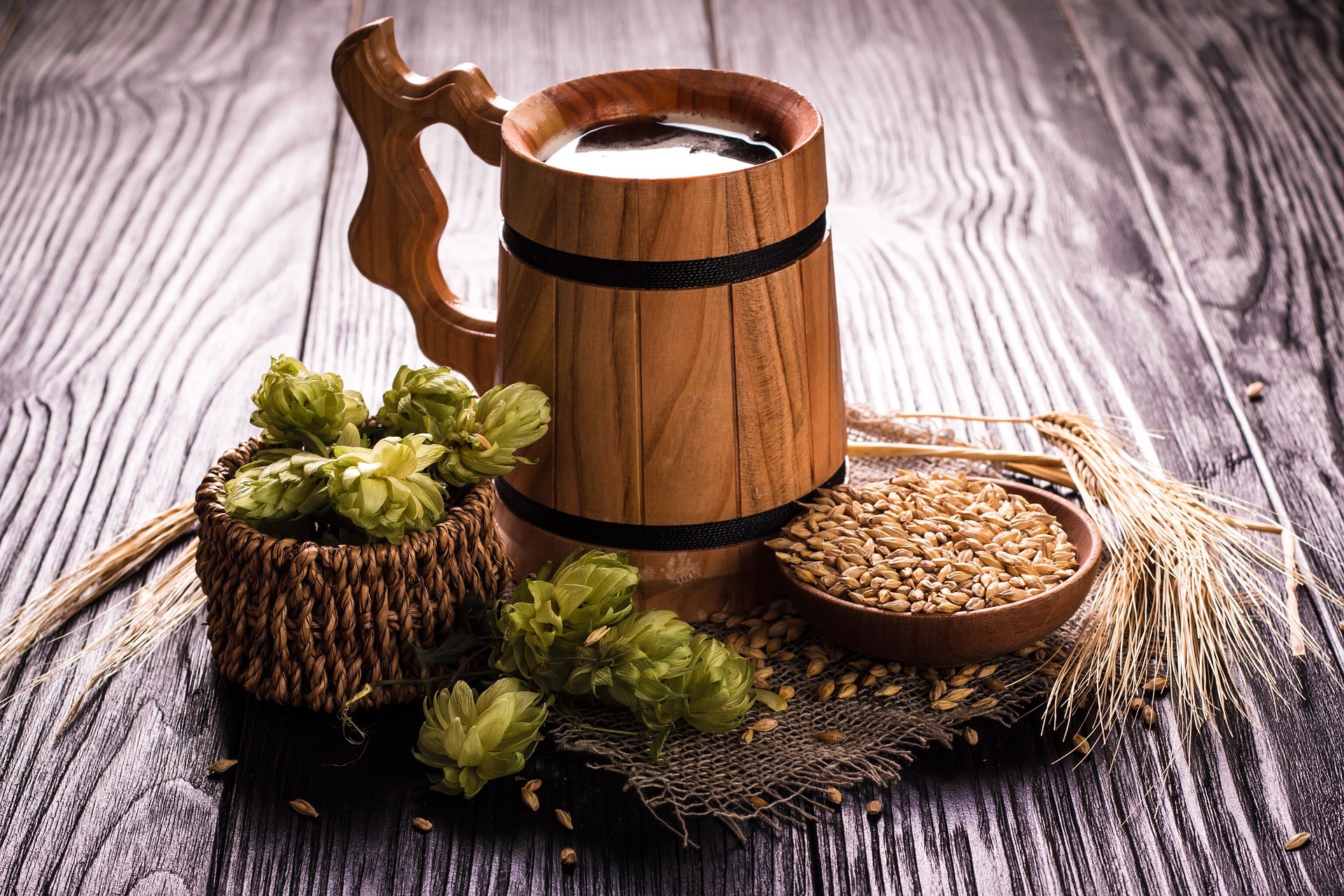
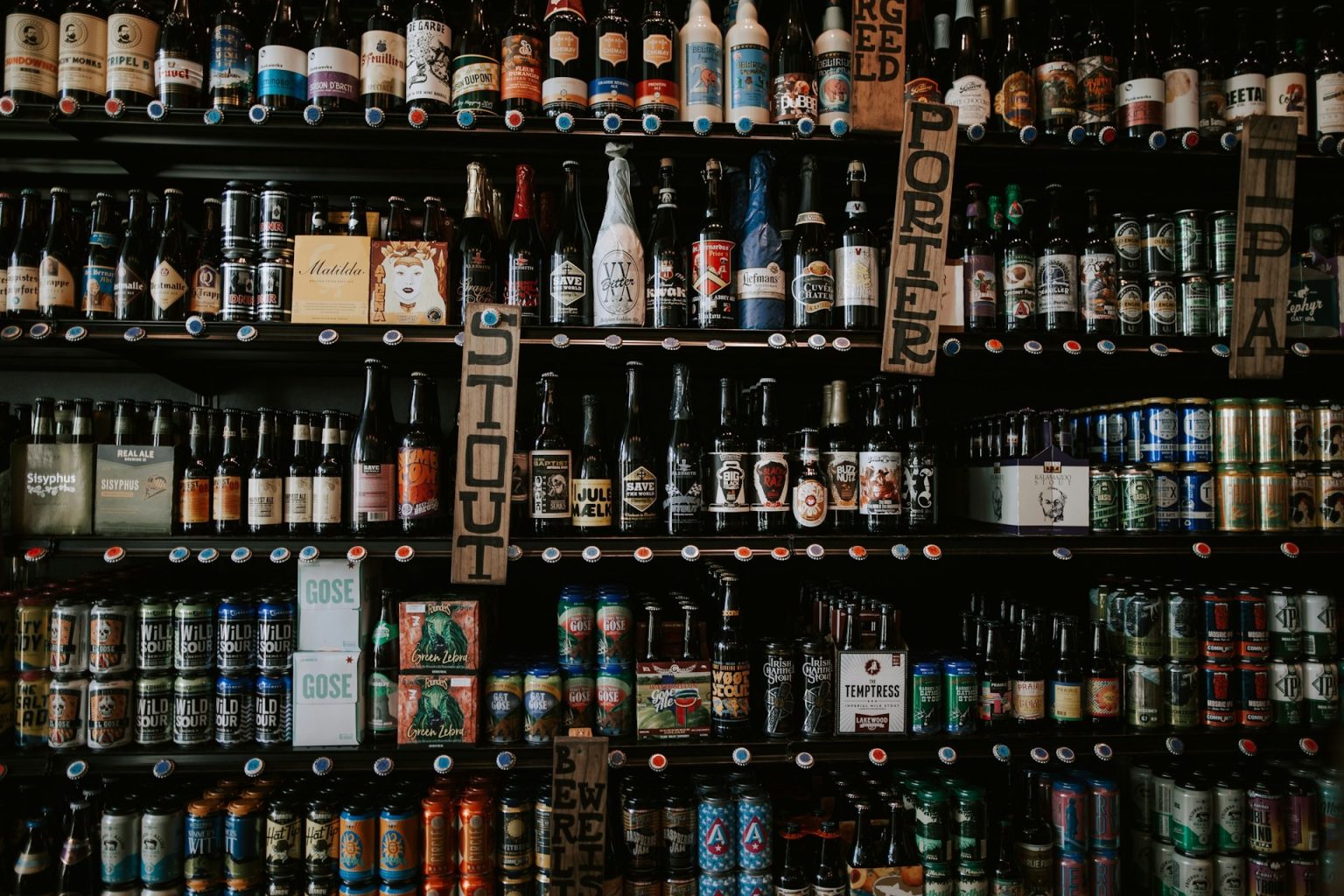

Choosing the right container for beer is a topic that fascinates both producers and consumers. Each type of container presents advantages and disadvantages that can significantly influence the quality, taste, and overall tasting experience of our favorite beverage. In this article, we will analyze in detail the characteristics of the main containers used for beer (glass bottles, cans, and kegs), evaluating their pros and cons from various perspectives. The goal is to provide a comprehensive overview to help understand which is the best solution based on different needs and usage contexts.
The glass bottle: tradition and quality
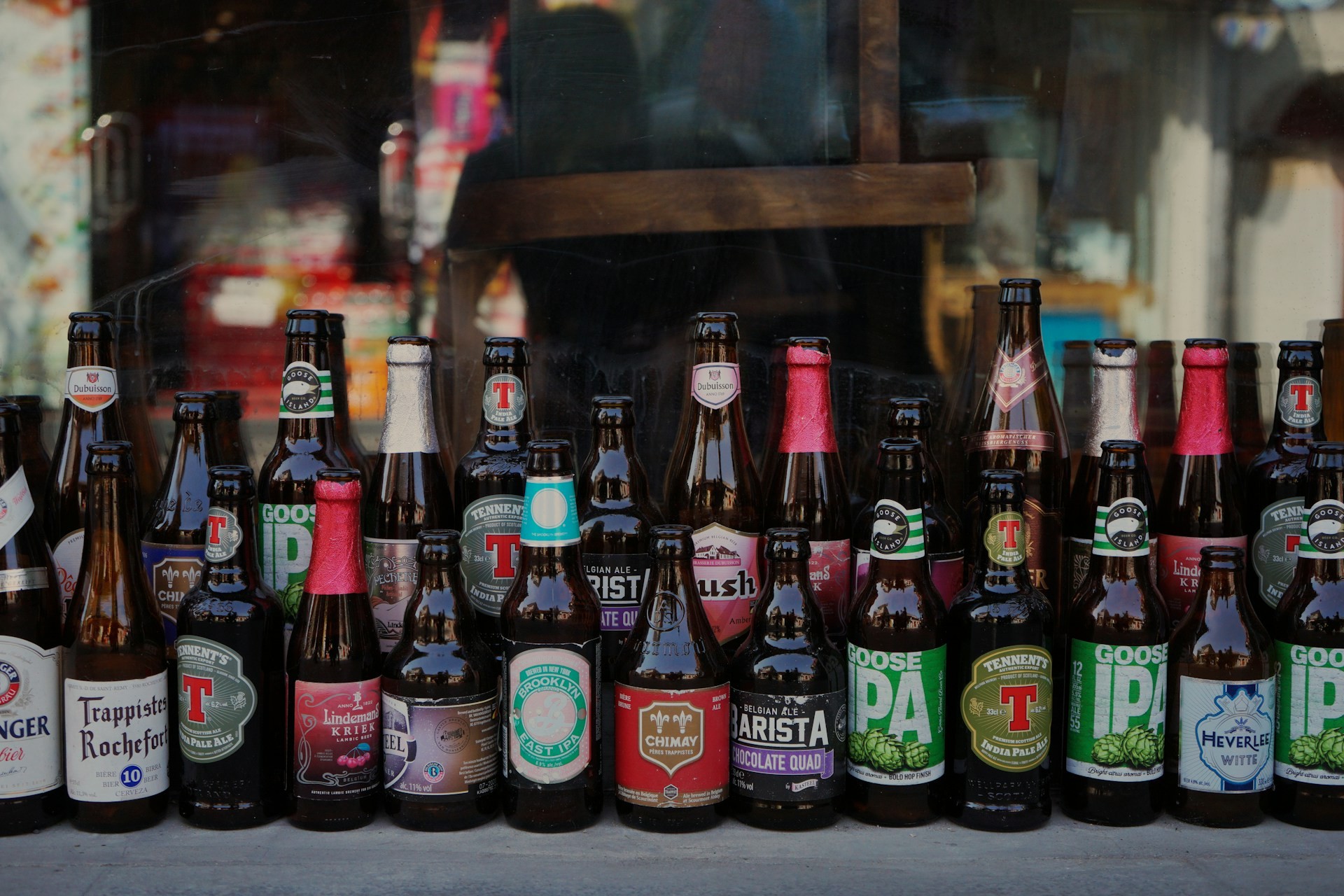
The glass bottle represents the traditional container par excellence when it comes to beer. Its use dates back centuries and is still widely used today, especially for craft and high-quality beers. Let’s look in detail at the main advantages and disadvantages of this format.
Strengths of the bottle
One of the main advantages of the glass bottle is its ability to best preserve the organoleptic characteristics of the beer over time. Glass is an inert material that does not chemically interact with the contents, thus avoiding alterations in taste and aroma. Moreover, dark or amber bottles offer excellent protection from UV rays, which can deteriorate the quality of the beer.
From an aesthetic and marketing point of view, the bottle allows for greater customization and differentiation of the product on shelves. The various shapes, colors, and labels allow producers to characterize their beer and communicate the brand identity.
Another advantage is the possibility of reuse. Glass bottles can be easily sterilized and refilled, thereby reducing environmental impact. In some countries, returnable deposit systems encourage recycling.
Disadvantages to consider
Among the negative aspects of glass bottles, the first is weight and bulk. Compared to other containers, they take up more space and are heavier to transport, resulting in higher logistics costs. Fragility is another weak point: bottles can easily break during transport or handling, posing safety risks and product waste. Finally, the production cost of glass bottles is generally higher than other materials like aluminum cans.
The can: practicality and innovation
In recent years, cans have gained increasing popularity in the beer world, especially among craft microbreweries. This format offers several interesting advantages but also presents some critical points to carefully evaluate.
Advantages of cans
One of the main strengths of cans is practicality. They are light, compact, and unbreakable, ideal for transport and consumption on the go. They take up less space than bottles, with logistical and economic benefits. Cans also provide excellent protection from light and oxygen, preserving the beer’s organoleptic characteristics optimally. Cooling is faster compared to glass.
From an environmental perspective, aluminum is a fully and infinitely recyclable material. Empty cans can be easily compressed, further reducing bulk.
Disadvantages to consider
One of the main drawbacks of cans is the perception of lower quality by many consumers, who are used to associating this format with low-end industrial beers. However, this perception is gradually changing.
Cans do not allow seeing the color of the beer before opening, an important aspect for many enthusiasts. Additionally, some argue that direct contact with aluminum might affect the taste, although modern cans have internal coatings that prevent this issue. Finally, cans are not reusable like bottles and have higher initial production costs for small producers.

The keg: the solution for large volumes
Kegs represent the ideal choice for consuming beer in large quantities, especially in the restaurant sector and bars. Let’s see the main pros and cons of this format.
Advantages of the keg
The main advantage of kegs is their ability to store large volumes of beer while keeping it fresh longer. The lower surface-to-volume ratio compared to bottles and cans reduces the risk of oxidation. Economically, kegs allow significant savings on packaging and transport costs compared to smaller formats. They are also reusable several times, with environmental benefits. For establishments, kegs allow serving draft beer, an experience appreciated by many consumers. Drafting also allows regulating the amount of foam.
Disadvantages to consider
One disadvantage of kegs is the need for specific equipment for drafting and temperature maintenance. This makes them impractical for home consumption. Once opened, the keg must be consumed relatively quickly to avoid beer deterioration. It is therefore not suitable for occasional or small-quantity consumption. Finally, kegs require more complex management in terms of cleaning, sanitizing, and maintenance compared to bottles and cans.

The container’s impact on beer quality
The choice of container affects not only practical and economic aspects but can have a significant impact on the quality of the beer itself. Let’s see how different materials interact with the product.
Light protection
Exposure to light, especially UV light, can cause beer deterioration through a process known as “light-struck.” Dark bottles offer the best protection, followed by cans. Green or clear bottles are the least effective from this point of view.
Oxygenation
Oxygen is an enemy of beer freshness. Cans and kegs, being hermetically sealed, offer the best protection. Bottles, especially those with crown caps, can allow small amounts of oxygen to enter over time.
Temperature
The ability to maintain the desired temperature varies among containers. Cans cool faster but also warm quickly. Bottles maintain temperature longer, while kegs require dedicated refrigeration systems.
Carbonation
The level of carbonation in beer can vary slightly depending on the container. Kegs allow CO2 levels to be adjusted at the time of pouring, while in bottles and cans it is fixed.

Environmental and sustainability aspects
In the era of growing environmental awareness, the ecological impact of beer containers is an increasingly relevant factor in choosing the ideal format.
Recyclability of materials
Both glass and aluminum are highly recyclable materials. Glass can be recycled infinitely without losing quality, while aluminum requires less energy to recycle compared to producing it from raw materials.
Carbon footprint
Considering the entire life cycle, cans tend to have a lower carbon footprint than bottles, mainly due to their lighter weight which reduces transportation costs. Kegs, being reusable, can have the lowest environmental impact in the long term.
Reuse and refund systems
In some countries, efficient refund systems exist for bottles and kegs, which greatly extend their lifecycle. Although cans are recyclable, they are not reusable like bottles.
Sustainable innovations
New technologies are emerging to make beer containers more eco-friendly, such as biodegradable bottles or cans with plant-based internal coatings. These innovations could shift the balance in the future.

Economic and marketing aspects
The choice of container has important economic and marketing implications for beer producers. Let’s look at some key aspects to consider.
Production and logistics costs
Generally, cans have higher initial production costs but offer advantages in transportation and storage. Bottles are cheaper to produce in small quantities but more expensive to transport. Kegs have high upfront costs but offer economies of scale for large volumes.
Consumer perception
Despite ongoing changes, many consumers still associate glass bottles with higher-quality products, while cans are often perceived as more “casual.” This perception can affect the market positioning of the product.
Branding opportunities
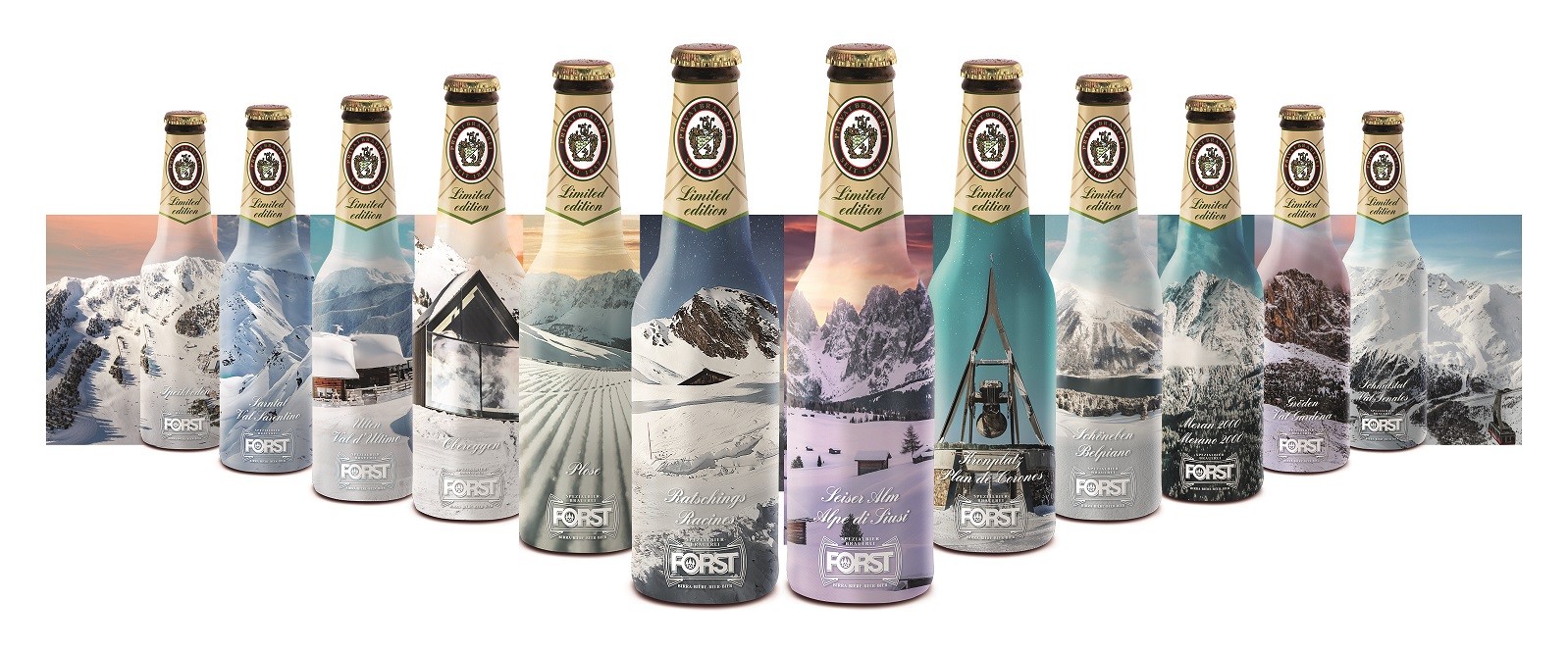
Bottles offer more customization possibilities in terms of shapes and labels. Cans, however, allow printing graphics over the entire surface, offering interesting creative opportunities. Kegs have less space for branding but can be customized with logos and colors.
Distribution channels
The choice of container can influence the accessible distribution channels. For example, some festivals or outdoor events might prefer cans for safety reasons, while high-end restaurants might favor bottles.

The container’s role in the tasting experience
The container not only affects beer preservation but can also play an important role in the overall tasting experience.
Visual aspect
The ability to see the color and clarity of the beer before drinking it is an important aspect for many enthusiasts. Transparent or green bottles allow this visual assessment, while cans and dark bottles prevent it.
Aroma
The way the container is opened can influence the perception of aromas. Opening a can or a crown-capped bottle immediately releases some of the scents, while tapping from a keg can allow for a more controlled management of aromatic release.
Serving temperature
The ideal serving temperature can vary depending on the beer style. Different containers can influence the ability to maintain the desired temperature during consumption.
Container size and drinking occasion
The container size can suit different drinking occasions. 75cl bottles are ideal for sharing, cans are perfect for on-the-go consumption, while kegs are great for events and parties.
Trends and innovations in beer packaging
The world of beer packaging is constantly evolving, with new trends and innovations regularly emerging. Here are some of the most interesting directions.
Special formats
In addition to traditional formats, new proposals are emerging such as slimmer “sleek” cans, bottles with resealable mechanical caps, or mini-kegs for home use.
Preservation technologies
New technologies such as isobaric bottling or the use of nitrogen instead of CO2 are improving beer preservation, especially for more delicate styles.
Interactive packaging
Some companies are experimenting with interactive labels, QR codes that provide additional information, or packaging that changes color based on the beer’s temperature.
Alternative materials
The search for more sustainable alternatives is leading to the development of new container materials, such as bioplastics or 100% recycled aluminum.

Choosing the container for different beer styles
Not all beers behave the same way in different containers. Some styles may benefit more from one format than another.
Hopped beers
Highly hopped beers like IPAs are particularly sensitive to oxidation and light. For these styles, cans or dark bottles are generally considered the best options to preserve hop aromas.
Top-fermented beers
Some top-fermented beers, like Belgian ones, can benefit from a bottle refermentation process. In these cases, glass bottles are often the preferred choice.
Low-alcohol beers
Light and refreshing beers like lagers or session IPAs work well with can formats, ideal for outdoor consumption or informal occasions.
Special and aged beers
For special, aged, or high-alcohol beers, glass bottles often remain the preferred choice, especially in larger formats that encourage sharing.

The consumer’s role in choosing the container
The consumer also plays an important role in choosing the ideal beer container. Here are some aspects to consider from the perspective of the buyer and drinker.
Personal Preferences
Some consumers prefer the “ritual” of opening a bottle, while others appreciate the convenience of cans. These personal preferences can significantly influence the choice.
Occasion of Consumption
The context in which you intend to consume the beer is fundamental. A beach party might require light, unbreakable cans, while a formal dinner might favor elegant bottles.
Home Storage
The available space for storing beer at home can influence the choice. Cans take up less space in the refrigerator compared to bottles, while kegs require specific equipment.
Environmental Awareness
Consumers more attentive to environmental impact might prefer easily recyclable or reusable containers, thus influencing producers’ choices.
Education and Information
Knowledge of the pros and cons of each type of container can help consumers make more informed choices, appreciating the specific characteristics of each format.

The Future of Beer Containers
Looking ahead, we can imagine some directions in which the world of beer containers might evolve.
Advanced Personalization
Technology could allow greater personalization of containers, with custom formats for specific beer styles or consumption occasions.
Technological Integration
We might see the emergence of “smart” containers capable of monitoring beer freshness, regulating temperature, or providing real-time information about the product.
Innovative Materials
The search for increasingly sustainable materials could lead to the development of new types of biodegradable or zero-impact containers.
Advanced Reuse Systems
More efficient and technologically advanced returnable vacuum systems could spread, encouraging large-scale reuse.

Conclusions: Which Container to Choose?
After analyzing in detail the various aspects related to beer containers, we can draw some conclusions.
There is No “Perfect” Container
The choice of the ideal container depends on multiple factors: the beer style, the consumption context, logistical and marketing needs, personal preferences, and environmental considerations.
Each Format Has Its Strengths
Glass bottles excel in preserving quality over the long term and in conveying a premium image. Cans offer convenience and optimal protection from light. Kegs are ideal for large volumes and for the draft beer experience.
The Importance of Context
The choice of container should be guided by the specific context: an aged craft beer might benefit from an elegant bottle, while a session IPA could be perfect in a can for a picnic.
Towards a Flexible Approach
Many producers are adopting a flexible approach, offering the same product in different formats to meet the diverse needs of consumers.
The Role of Innovation
Continuous innovations in materials and packaging technologies may lead to new solutions in the future that combine the advantages of different formats.
Ultimately, the choice of the best container for beer remains a complex and evolving issue. Producers and consumers must carefully assess their priorities and the specific characteristics of each format to find the optimal solution for every situation. The important thing is that the chosen container contributes to preserving and enhancing the qualities of the beer, allowing full enjoyment of this age-old and beloved beverage.