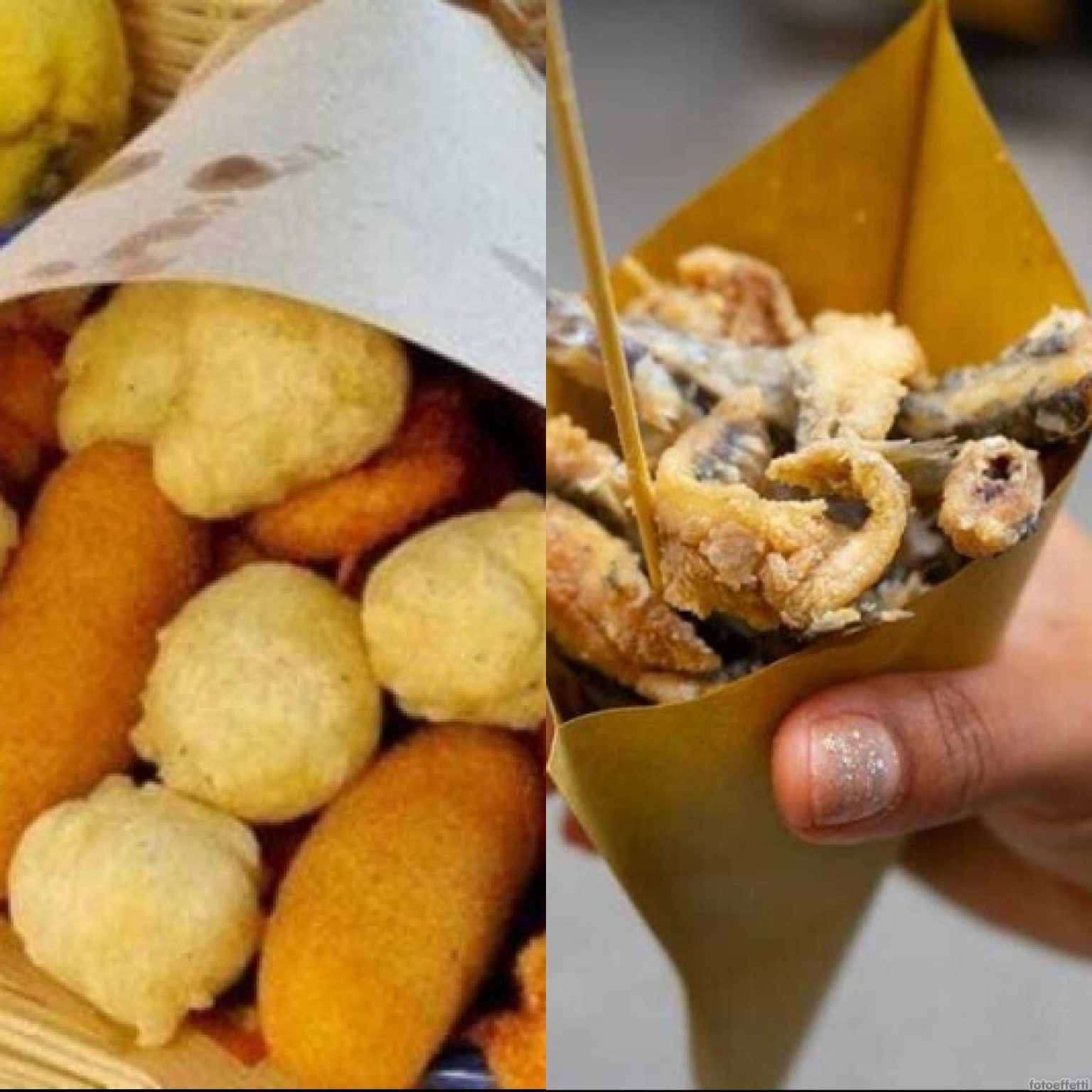

The Neapolitan cuoppo represents the very essence of Neapolitan street food, a gastronomic icon that encapsulates the history, tradition, and culinary innovation of Naples. This simple but irresistible straw paper cone, filled with fried delights, is much more than just a snack: it is a sensory experience that transports those who taste it to the beating heart of Neapolitan culture. Born as a poor food in the nineteenth century, the cuoppo has endured through the centuries, evolving and adapting to modern tastes while preserving its authentic soul. Today, walking through the streets of Naples, it is impossible not to come across the inviting aroma wafting from the fry shops, where skilled hands prepare these cones of goodness for locals and tourists alike.
In this gastronomic journey, we will explore every aspect of the Neapolitan cuoppo: from its fascinating history to the various versions that today delight the most discerning palates. We will discover the secrets of perfect frying, preparation techniques, and curiosities linked to this symbol of Neapolitan cuisine. Whether you love fish, vegetables, or sweets, the cuoppo has something to offer everyone, representing a true kaleidoscope of flavors and textures.
Get ready to immerse yourself in a world of crunchiness and taste, where every bite tells a story of tradition, passion, and culinary creativity. The Neapolitan cuoppo is not just food: it is a piece of Naples to carry with you, an indelible memory of a city that knows how to captivate through the flavors of its extraordinary cuisine.
The Origins of the Neapolitan Cuoppo
The Neapolitan cuoppo has its roots in nineteenth-century Naples, an era when the city was undergoing profound social and economic changes. This delicacy was born as a creative response to the need to offer a substantial and affordable meal to the poorer classes.
From Poverty to Tradition
The streets of Naples, teeming with life and activity, saw the emergence of the first street vendors of cuoppo. These ingenious traders bought the smaller and less valuable pieces at the fish market, those less likely to find buyers among wealthier customers. With skill and inventiveness, they transformed these humble ingredients into a tasty and accessible dish for everyone. The preparation process was simple but effective: small fish and scraps were roughly cleaned, dipped in a light batter made of water and flour, and then fried in hot oil. The result was a crispy and flavorful mix served in a straw paper cone, practical for eating while walking and capable of absorbing any excess oil.
The Evolution Over Time
Over the years, the cuoppo has evolved, incorporating new ingredients and preparation techniques. From the streets, this food made its way into fry shops, restaurants, and even the homes of Neapolitans, becoming a symbol of local cuisine.
The versatility of the cuoppo led to the birth of various versions, each capable of satisfying different tastes and preferences. From the sea to the land, including sweet versions, the cuoppo has demonstrated an extraordinary ability to adapt and renew itself while preserving its original spirit.
An Icon of Street Food
Today, the Neapolitan cuoppo is recognized as one of the cornerstones of Italian street food. Its popularity has crossed the boundaries of Naples, spreading throughout Italy and even abroad, where it is appreciated as an authentic expression of Neapolitan gastronomic culture.
The strength of the cuoppo lies in its simplicity and its ability to offer a complete culinary experience in a practical and informal format. It perfectly represents the soul of Naples: creative, generous, and capable of turning simple ingredients into something extraordinary.

Variations of the Cuoppo: A Triumph of Flavors
The Neapolitan cuoppo, in its apparent simplicity, hides a world of variety and possibilities. Over time, the creativity of Neapolitan chefs has given rise to different interpretations of this classic street food, each capable of satisfying different palates and best representing the gastronomic richness of Naples.
The Sea Cuoppo: A Dive into Mediterranean Flavors
The sea cuoppo is perhaps the best-known and most loved variant. This triumph of fried seafood embodies the generosity of the Mediterranean Sea. The main ingredients include:
- Fried anchovies: small blue fish, rich in omega-3, made crispy by frying.
- Squid: golden and tender rings, an evergreen classic.
- Shrimps: sweet and juicy, with their characteristic texture.
- Salted cod: pieces of salted cod, a Neapolitan tradition.
- Seaweed fritters: small pancakes flavored with seaweed.
The preparation of these ingredients requires an expert hand: each element is carefully cleaned, cut into suitably sized pieces, and then dipped in a light batter before being fried. The result is a mix of flavors and textures that transports anyone who tastes it directly to the Neapolitan coasts.

The cuoppo di terra: the abundance of the inland areas
No less tasty is the cuoppo di terra, which celebrates the products of the Campanian hinterland. This variant is a triumph of vegetables, cheeses, and local specialties, including:
- Potato croquettes: cylinders of mashed potatoes, often enriched with cheese and parsley.
- Fried mozzarelline: small spheres of breaded and fried mozzarella, with a melting center.
- Zeppole of leavened dough: balls of leavened dough, light and fluffy.
- Battered zucchini flowers: delicate flowers coated with a crispy batter.
- Fried eggplants and zucchinis: thin slices of vegetables, golden and irresistible.
Each element is prepared with care, respecting Neapolitan culinary traditions. The frying must be perfect: crispy on the outside and soft inside, capable of enhancing the natural flavor of each ingredient.

The sweet cuoppo: a sweet conclusion
More recent but no less appreciated is the sweet variant of the cuoppo. This creative interpretation transforms the classic street food into a dessert to go, perfect for ending a meal or as a sweet snack. Among the delights you can find in a sweet cuoppo are:
- Sugared zeppole: the classic Neapolitan fritters, sprinkled with granulated sugar.
- Apple fritters: slices of apple dipped in batter and fried, a true autumnal delight.
- Mini fried babà: miniature versions of the famous Neapolitan cake, fried and soaked in rum.
- Castagnole: small balls of sweet dough, fried and flavored with liqueur.
The preparation of the sweet cuoppo requires particular attention to the oil temperature and cooking times to ensure that every bite is perfectly golden and crispy without being heavy.
The art of composition
The true mastery in the preparation of the cuoppo it manifests not only in the frying of the individual elements but also in their composition within the cone. A cuoppo well made is a perfect balance of flavors, textures, and temperatures. The heavier elements are placed at the bottom, while the lighter and more delicate ones are arranged on top, creating a taste experience that evolves with every bite.
The versatility of the Neapolitan cuoppo shows how this culinary tradition is capable of continually reinventing itself while firmly maintaining its roots. Whether from the sea, land, or sweet, every variant tells a story of Naples, its flavors, and its inexhaustible gastronomic creativity.
The secrets of perfect Neapolitan frying
Frying is the soul of the Neapolitan cuoppo, and behind that golden crispness lies a refined art, handed down from generation to generation. The perfection of a cuoppo largely depends on the quality of its frying, a process that requires knowledge, experience, and a touch of culinary magic.
The choice of oil: the foundation of good frying
The first secret for flawless frying lies in the choice of oil. Neapolitan master fryers prefer peanut oil for several reasons:
- High smoke point: withstands high temperatures without burning.
- Neutral flavor: does not alter the natural taste of the ingredients.
- Stability: maintains its properties even after several fryings.
Some prefer to blend peanut oil with a small percentage of olive oil to give the fried food a more Mediterranean aroma. The key is to keep the oil clean and change it regularly to always guarantee optimal results.
Temperature: the thermometer of success
Temperature control is crucial to achieving perfect frying. The oil must be brought to a temperature between 170°C and 180°C, depending on the ingredients to be fried:
- Lower temperature (170°C): for delicate ingredients like fish.
- Higher temperature (180°C): for vegetables and thicker doughs.
A kitchen thermometer is the ideal tool to monitor the temperature, but experienced fryers develop a “sixth sense” that allows them to assess the oil temperature by observing the formation of bubbles around a small piece of bread immersed.
The batter: the secret of crispiness
Batter is a fundamental element for many cuoppo ingredients. A good batter must be:
- Light: so as not to weigh down the ingredients.
- Crispy: to create that much-loved contrast of textures.
- Adherent: so it does not come off during frying.
The basic recipe calls for flour, sparkling water (for greater lightness), and a pinch of salt. Some add an egg for more consistency, or beer for a more complex flavor. The batter must rest in the refrigerator for at least 30 minutes before use, allowing the starches to swell and ensure better adhesion.
Frying techniques
Frying requires attention and precision. Here are some key tips:
- Do not overcrowd the pan: too many ingredients at once lower the oil temperature.
- Drain well: use a skimmer to remove excess oil.
- Salt at the end of cooking: adding salt during frying would make the food absorb more oil.
- Keep warm: use a low-temperature oven to keep fried foods crispy while waiting to be served.
The importance of resting and drying
After frying, it is essential to let the ingredients rest on absorbent paper. This step allows excess oil to be removed, maintaining the external crispiness and internal softness. A well-made cuoppo should never be greasy or heavy.
Modern innovations: air frying
Although tradition remains anchored to classic frying, some modern versions of the cuoppo experiment with air frying. This technique, which uses circulating hot air instead of oil, promises similar results with significantly reduced fat content. However, purists argue that the flavor and texture achieved with traditional frying are unmatched.
Perfection in Neapolitan frying is the result of centuries of experience, passion, and dedication. Each cuoppo tells this story of culinary mastery, offering those who taste it not just a meal, but an authentic Neapolitan gastronomic experience.

The art of composing the cuoppo
The preparation of the Neapolitan cuoppo does not end with frying the ingredients. Assembling the cone is an art in itself, requiring experience, creativity, and a keen eye for aesthetics. A well-composed cuoppo is not only a pleasure for the palate but also for the eyes, inviting the observer to immerse themselves in a unique gastronomic experience.
The choice of container: more than just a detail
The straw paper cone, a distinctive element of the cuoppo, is not a random choice. This material offers several advantages:
- Absorbency: it captures any excess grease, keeping the ingredients crispy.
- Strength: it supports the weight of the ingredients without giving way.
- Sustainability: being biodegradable, it is an ecological choice.
The size of the cone varies depending on the portion but generally ranges around 20-25 cm in height. Some more modern venues experiment with alternative containers, such as cones of decorated food-grade paper or even reusable versions made from eco-friendly materials.
Layering: an architecture of flavors
The arrangement of ingredients in the cuoppo follows a precise logic:
- Sturdy base: at the bottom go the heaviest and most resistant elements, such as crocchè or pieces of cod.
- Intermediate layer: here are placed ingredients of medium consistency, like calamari and zeppoline.
- Top layer: at the top go the lightest and most delicate elements, such as shrimp or zucchini flowers.
- Garnish: some particularly appetizing pieces are placed in plain sight to tempt the appetite.
This arrangement is not random: it helps maintain the crispiness of each element, preventing heavier pieces from crushing the more delicate ones.
The balance of flavors
A well-composed cuoppo must offer a variety of flavors and textures in every bite. The skill lies in balancing:
- Flavors of sea and land
- Crunchy and soft elements
- Intense and delicate flavors
For example, in a mixed cuoppo, you might alternate a bite of fried anchovies with one of potato crocchè, followed by a calamari and then a zeppola. This alternation creates a dynamic and engaging taste experience.
Presentation: eating with the eyes
The visual aspect of the cuoppo is fundamental to stimulate the appetite. Some tips for an attractive presentation include:
- Color contrast: alternating golden elements with touches of green (like fried parsley) or red (sun-dried tomatoes).
- Height: creating volume by positioning some elements vertically.
- Freshness: adding a touch of fresh lemon or aromatic herbs on top.
Some places serve the cuoppo in special holders, which enhance its presentation and make sharing easier.
Customization and innovation
Although classic compositions exist, many venues offer the possibility to customize your own cuoppo. This flexibility allows adapting to different dietary needs or personal preferences. Some recent innovations include:
- Vegetarian cuoppo: with a selection of fried vegetables and cheeses.
- Gluten-free cuoppo: using alternative flours for the batter.
- Fusion cuoppo: incorporating elements from other cuisines, such as Japanese tempura or Middle Eastern falafel.
The importance of timing
A cuoppo must be consumed as soon as possible after preparation to fully enjoy its crispiness. For this reason, the best places prepare the cuoppo at the time of order, ensuring maximum freshness.
The art of composing the Neapolitan cuoppo is a delicate balance between tradition and innovation, technique and creativity. Each cuoppo tells a story of Naples, its flavors, and its skill in transforming simple ingredients into an unforgettable gastronomic experience.

The cuoppo in Neapolitan culture
The cuoppo is not just a food, but a true symbol of Neapolitan culture, deeply rooted in the city’s history and traditions. This simple cone of straw paper filled with fried delights holds much more than a simple meal: it is an expression of Naples’ soul, its culinary creativity, and its ability to turn necessity into virtue.
A symbol of conviviality
In Neapolitan culture, food has always been a social bonding element, and the cuoppo is no exception. Sharing a cuoppo with friends or family is a ritual that goes beyond the simple act of eating:
- It creates moments of sharing and joy
- It encourages conversation and exchange of opinions
- It strengthens social and family bonds
It is not uncommon to see groups of people gathered around a cuoppo, each picking from the shared cone, in an atmosphere of joy and conviviality typically Neapolitan.
The cuoppo in everyday language
The importance of cuoppo in Neapolitan culture is also reflected in everyday language. Several expressions and sayings linked to this food have emerged, enriching the already colorful Neapolitan dialect:
- “Tenere ‘o cuoppo“: literally “to hold the cuoppo,” means having a good opportunity or being in an advantageous position.
- “Essere comme ‘nu cuoppo ‘e pesce fritto“: to be like a cuoppo of fried fish, meaning to be highly valued or sought after.
- “Fa ‘o cuoppo“: to make the cuoppo, in the sense of gathering or putting together something.
These expressions show how the cuoppo has become part not only of the diet but also of the Neapolitan collective imagination.
The cuoppo in art and literature
The iconic nature of the cuoppo has inspired artists and writers over the years. Numerous artworks, from paintings to sculptures, have immortalized scenes of Neapolitan life with the cuoppo as the protagonist. In literature, several authors have used the cuoppo as a metaphor for Neapolitan life:
- As a symbol of abundance and generosity
- As a representation of the ability to make do (the art of “s’arrangiare”)
- As an element of nostalgia for Neapolitan emigrants
A famous example is the novel “Il mare non bagna Napoli” by Anna Maria Ortese, where the cuoppo appears as a recurring element, symbolizing popular and authentic Naples.
The cuoppo as a tourist attraction
With the growing interest in gastronomic tourism, the cuoppo has become a true attraction for visitors to Naples. Many culinary tours include a stop dedicated to tasting this iconic street food, offering tourists not only a taste of authentic flavors but also an immersion in local culture. Some aspects that make the cuoppo particularly attractive to tourists are:
- Its practicality: easy to eat while walking
- Its low cost: affordable for every budget
- Its variety: offers a taste of different flavors in a single serving
Many venues have been able to capitalize on this trend, creating tasting experiences that go beyond the simple purchase of the cuoppo, including explanations about its history and preparation demonstrations.
The cuoppo as a symbol of resilience
The history of the cuoppo, born as poor food and become a gastronomic icon, reflects in many ways the resilience and creativity of the Neapolitan people. In a often difficult historical context, the Neapolitans managed to turn necessity into virtue, creating from simple and economical ingredients a dish that is now appreciated worldwide.
This ability to adapt and innovate is also reflected in the modern evolution of the cuoppo, which continues to reinvent itself while firmly maintaining its roots in tradition. The Neapolitan cuoppo, therefore, is not just food, but a true cultural phenomenon. It represents the essence of Naples: its history, its creativity, its ability to transform little into much. Every bite of cuoppo is a taste not only of flavors, but of a whole culture, rich, complex, and fascinating like few others in the world.

The cuoppo in the context of global street food
The Neapolitan cuoppo, with its centennial history and deep roots in Neapolitan culture, today fits into a broader context: that of global street food. In an era where street food is experiencing a worldwide renaissance and revaluation, the cuoppo stands out as an excellent example of how tradition can meet contemporary trends.
The cuoppo and global street food trends
Street food has seen a boom in popularity worldwide in recent years. This phenomenon is due to several factors:
- Search for authenticity: consumers are increasingly interested in genuine culinary experiences rooted in local culture.
- Convenience: street food offers quick and affordable meals in increasingly fast-paced urban settings.
- Experimentation: street food allows tasting a variety of flavors in small portions.
- Sociality: street food encourages sharing and social interaction.
The Neapolitan cuoppo fits perfectly into these trends, offering:
- An authentic experience of Neapolitan culture
- A quick and convenient meal
- A variety of flavors in a single portion
- An ideal format for sharing
Comparison with other international street foods
In the global street food landscape, the cuoppo stands out for its unique characteristics, while sharing some elements with other international specialties:
-
Fish and Chips (United Kingdom):
- Similarities: both offer fried fish
- Differences: the cuoppo features a greater variety of ingredients
-
Tempura (Japan):
- Similarities: light frying technique
- Differences: the cuoppo uses a different batter and also includes non-fried elements
-
Falafel (Middle East):
- Similarities: convenient format to eat on the go
- Differences: the cuoppo offers a wider variety of ingredients, not just vegetables
- Arancini
(Sicily):
- Similarities: both are specialties of southern Italy
- Differences: the cuoppo features a greater variety of ingredients and preparation techniques
The adaptation of the cuoppo to international markets
With the growing popularity of Italian cuisine worldwide, the cuoppo has also begun to make its way beyond national borders. This process of internationalization has led to interesting adaptations:
- Local ingredients: in some countries, the cuoppo is reinterpreted using typical local ingredients.
- Fusion versions: cuoppi are born mixing Neapolitan tradition with culinary influences from other countries.
- Gourmet formats: in some high-end restaurants, the cuoppo is presented in refined and innovative versions.
These adaptations, while on one hand risking drifting away from the original tradition, on the other hand contribute to spreading knowledge of this Neapolitan dish.