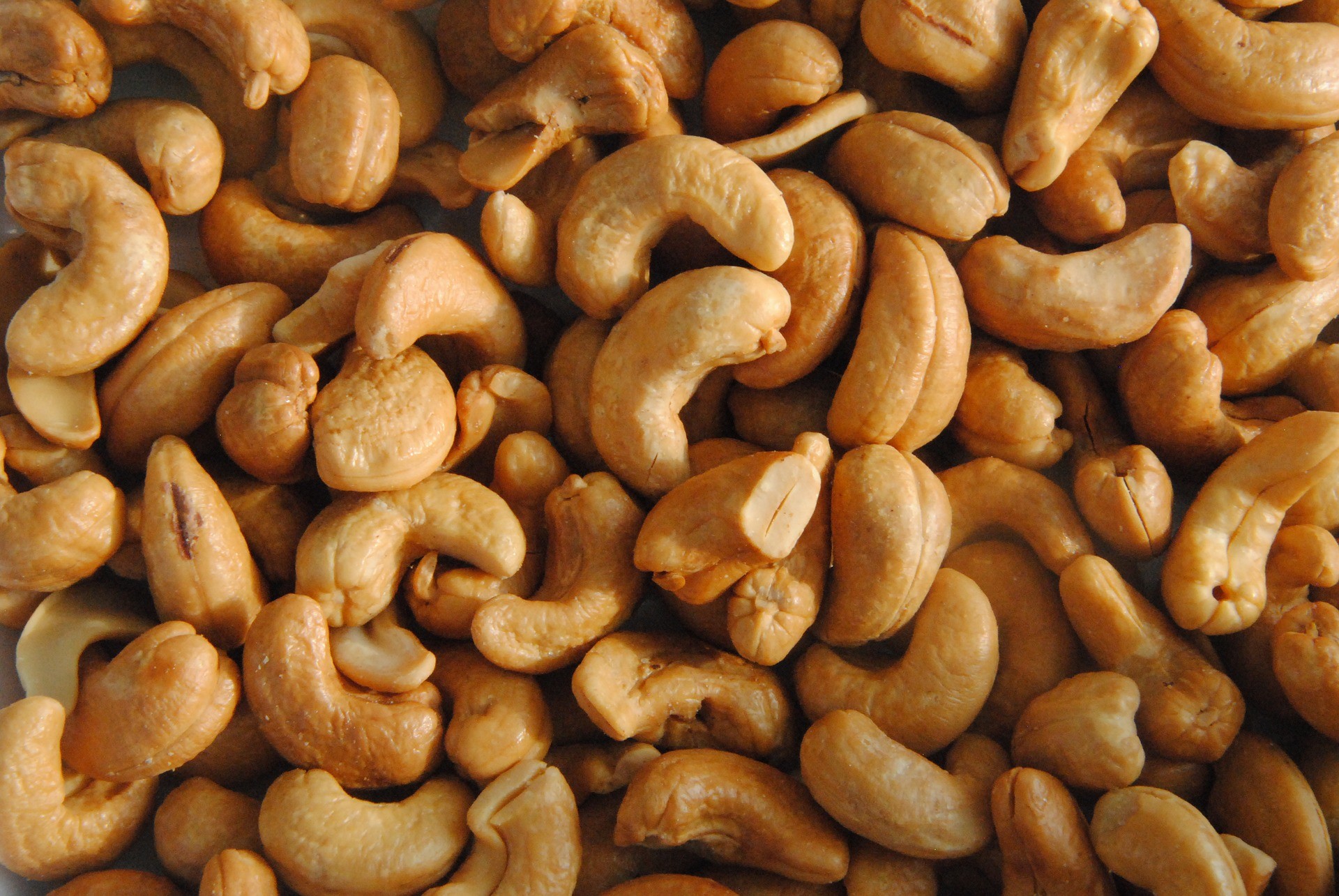
Cashews have a deliciously nutty and creamy taste, but that’s not the only reason protein bars and superfood snacks often include them. They are considered more of a seed than a nut because they grow from a fruit similar to an apple called “cashew apples.” They are technically a tree nut, however, so it’s important to avoid them if you are allergic. It’s worth paying closer attention if you are also allergic to other nuts.
Health benefits of cashews
Provide healthy fats
Cashews are rich in “healthy fats” or “unsaturated fats.” About 62% of a cashew’s fat content is monounsaturated, 18% polyunsaturated, and a very small amount saturated. So next time you look for a “saturated fat rich” cheese sauce, try a cashew-based substitute instead. Cashews are considered helpful in preventing diabetes, heart diseases, and obesity.
Prevent gallstones
Because cashews can lower cholesterol, they are directly related to the prevention of gallstones. Gallstones form when there is too much cholesterol in the body. Cholesterol hardens with calcium in the liver and then creates gallstones.
Support brain function
Cashews are considered a “brain food” for their high content of essential fatty acids (EFA) and trace elements like copper and zinc.
Prevent diabetes
In a recent study, cashew extract was found to improve the body’s response to its own insulin, making it a viable treatment for diabetes patients. Of all the extracts tested, cashew was the only one that significantly stimulated blood sugar absorption by muscle cells. Nuts in general are considered healthy for diabetes due to unsaturated fat.
Eye health
Cashews contain a chemical called zea-xanthin, a compound that helps prevent age-related macular degeneration and protects against light damage.