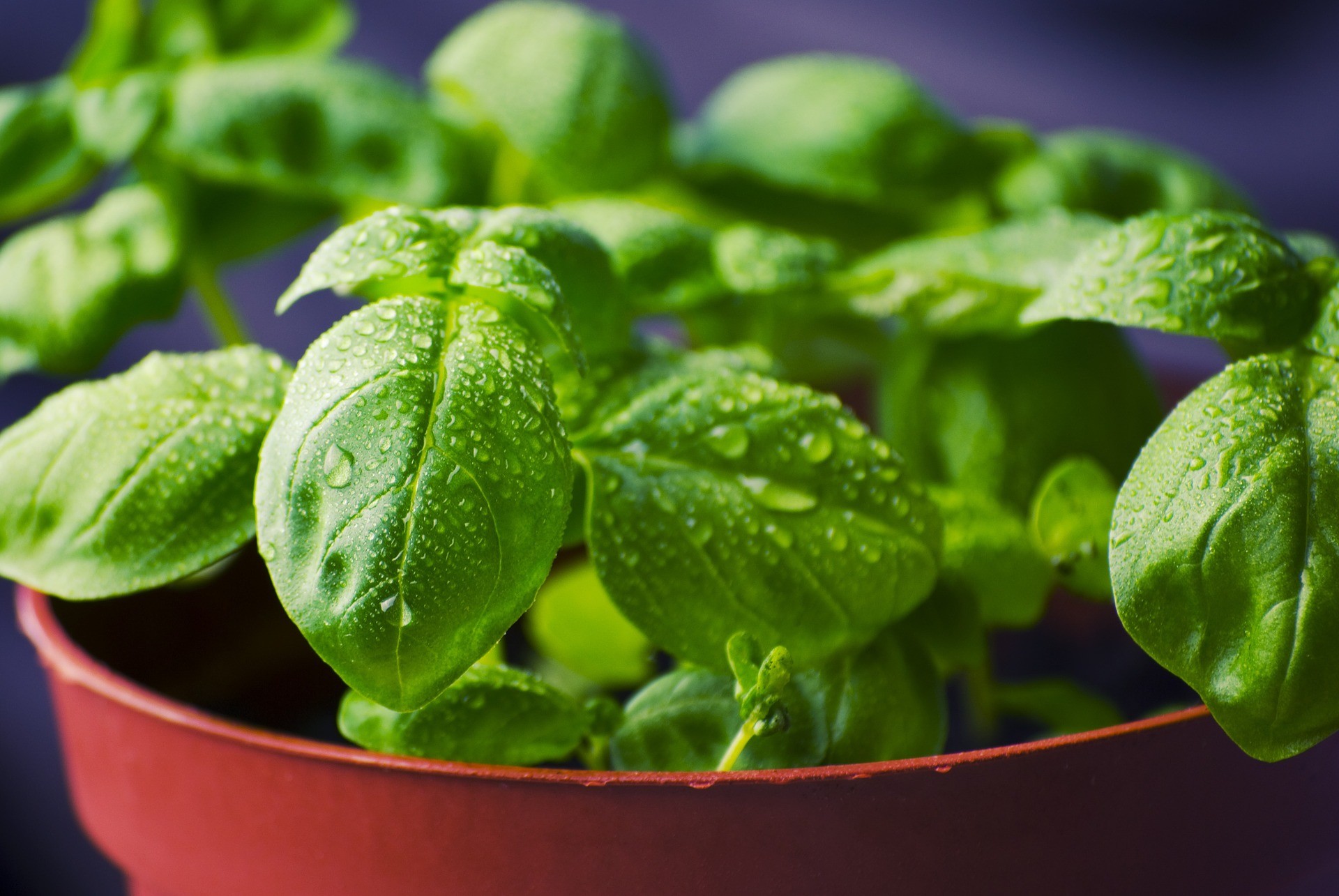
Although basil is primarily known as a flavor enhancer, growing research indicates that adding this herb to the daily diet can provide anti-inflammatory, antibacterial, and anti-stress properties, making it a well-rounded fighter in the battle to improve overall health.
Derived from the Greek word meaning royal, basil, with its richness in nutrients, contains abundant amounts of vitamin K e calcium, as well as oils highly antioxidant. Basil offers a range of health benefits from protection against DNA damage to combating stress.
Additionally, mint-like basil leaves are loaded with beta-caryophyllene, an anti-inflammatory compound that can treat conditions such as arthritis and inflammatory bowel diseases. An abundance of evidence is emerging to support basil’s reputation as a herbal remedy for thousands of years, making this underrated herb a formidable opponent against some of today’s most common health issues.
Antibacterial
Numerous studies have demonstrated basil’s potential to inhibit the growth of pathogenic bacteria. These antibacterial effects are attributed to key components of basil essential oils, including estragole, eugenol, rosmarinic acid, linalool, methyl chavicol and oleanolic acid. Moreover, rosmarinic acid has been shown to effectively limit the growth of Pseudomonas aeruginosa, a bacterium associated with lung infections, according to a research study published in the journal Plant Physiology and Biochemistry.
Heart Benefits
Thanks to its high antioxidant content, researchers have expressed interest in basil’s influence on heart health. A separate study suggests the herb may lower blood pressure, a powerful risk factor for cardiovascular diseases and stroke.
Being a rich source of magnesium and beta-carotene, basil may support cardiovascular health. Increased magnesium intake in the diet has been associated with lower levels of inflammation and endothelial dysfunction, according to a review published in the American Journal of Clinical Nutrition .
Stress, anxiety, and immune system
While acute stress is a normal part of life, chronic stress and stress-related disorders such as anxiety can trigger changes in the immune response that over time lead to suppression of immune function.
Basil has been shown to have the ability to relieve stress, according to a study published in the journal Evidence-Based Complementary and Alternative Medicine. Basil leaf extract has a positive impact on regulating the hypothalamic-pituitary-adrenal (HPA) axis, a system that controls stress reactions.
Manages diabetes
At the core of any diabetes management plan is regulating blood sugar levels. A possible mechanism for basil’s hypoglycemic effect is believed to be ursolic acid, which has been shown to act as an alpha-glucosidase inhibitor, meaning it reduces glucose absorption in the small intestine and prevents spikes in blood sugar levels.
Fights arthritis with taste
While there are multiple compounds in basil essential oils, eugenol shows the greatest potential to help people with arthritis. It has demonstrated the highest ability among all basil essential oil compounds to decrease cyclooxygenase (COX) activity, an enzyme that increases production of pro-inflammatory cells.