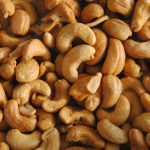

Peanuts (hazelnuts or American peanuts) are a superfood available in many forms such as peanut butter, peanut oil, and peanut flour. They qualify as a superfood because they are nutrient-rich, offering health benefits in a very small serving. One serving of peanuts contains six times more protein than a serving of kale and eight times more niacin.
Recent studies have shown that consuming peanuts or peanut butter helps reduce the risk of chronic diseases.
Key Benefits
As an important crop grown worldwide, the functional compounds in peanuts are as abundant as their benefits. Peanuts are rich in proteins, fiber, polyphenols, antioxidants, vitamins, and minerals. Furthermore, research has discovered that they are an excellent source of compounds like resveratrol, phenolic acids, flavonoids e phytosterols that block cholesterol absorption from the diet.
To truly understand some of the functional benefits provided by peanuts, however, we will analyze some of their components:
- Proteins: with more protein than any other nut, peanuts provide the nutritional equivalent of meat and eggs for human growth and health. But unlike animal proteins, they contain additional health-beneficial components like fiber and unique bioactive compounds.
- Vitamins: peanuts contain a large amount of vitamins and are an excellent source of niacin, which aids the functioning of the digestive system, skin, nerves, converting food into energy, and has been shown to help protect against Alzheimer’s disease and cognitive decline. Peanuts have high levels of niacin and are a good source of vitamin E, two nutrients long known to protect against Alzheimer’s and age-related cognitive decline. Peanuts are a good source of vitamin E, which may help protect against coronary heart disease. Vitamin E is also considered a hard-to-get nutrient, as more than 90% of men and women have been shown to fail to meet the recommended daily intake .
- Minerals: the combination of minerals present in peanuts has been associated with reduced inflammation and a reduced risk of type II diabetes. A 2016 study from Harvard University has shown that replacing a serving of animal protein with a serving of plant protein such as peanuts and peanut butter significantly reduces the risk of type 2 diabetes. Another study published in the Journal of the American Medical Association previously demonstrated that peanut butter consumption reduced the risk of type 2 diabetes by 21% in women.
- Arginine: an amino acid that relaxes blood vessels and is necessary to keep the liver, skin, joints, and muscles healthy.
- Phytosterols: in addition to blocking dietary cholesterol, emerging evidence shows they may also help reduce inflammation and slow the growth of various types of cancer (e.g., lung, stomach, ovary, prostate, colon, and breast).
- Antioxidants: peanuts have a higher antioxidant capacity than green tea and red wine and, if consumed with the skin, this number actually doubles.
- Flavonoids: a high intake of flavonoids is believed to be protective against heart disease and cancer through various mechanisms.