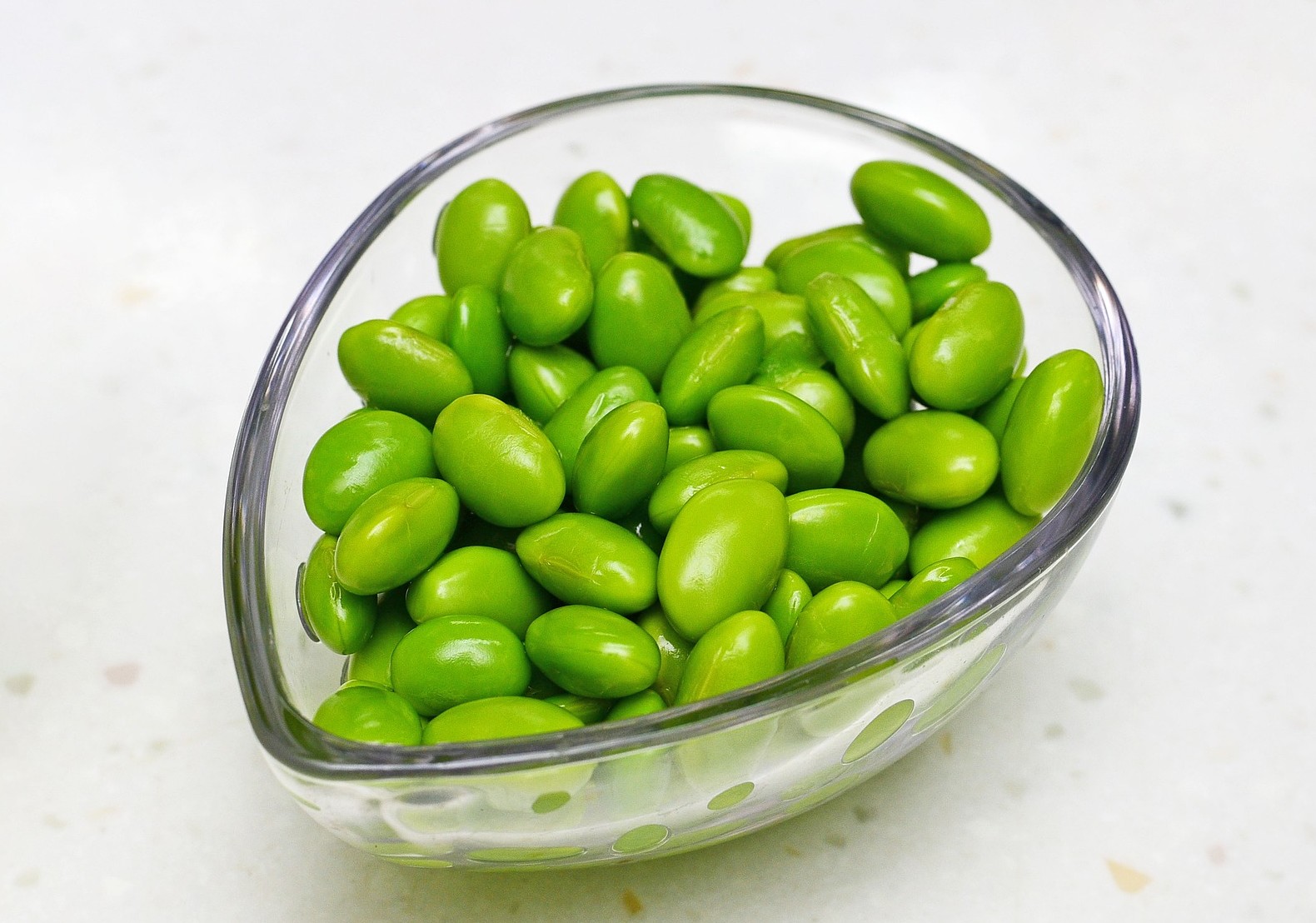
The edamame is a member of the fabaceae, commonly known as the pea family of the genus Glycine Willd o Soy P and contains five species. They are immature soybeans and are usually sold fresh in their pods. These young green soybeans are soft and edible while the pod is not edible; the beans can be used in salads, as a snack, and in many recipes.
Edamame are soft, tender beans, rich in nutrients. They have a pleasant and delicate flavor and are used in salads, sandwiches, soups, and many other dishes. They are usually grown in fields specifically designated for edamame soy and are not grown in fields where soybeans may mature. While soybeans are harvested when mature, edamame is harvested when the beans are immature.
Benefits of Edamame
Edamame are nutrient-rich, containing vitamins C, E, and B-complex vitamins. They are an excellent source of minerals including potassium, magnesium, calcium, phosphorus, and manganese. They also contain fiber, isoflavones e omega-3 fatty acids and contain large amounts of natural plant estrogens known as phytoestrogens. Edamame is one of the few vegetables that is a complete protein.
There are many health benefits contained in edamame. Apart from other nutrients, the beans contain vitamin A and minerals including iron and zinc. The nutrients contained in edamame keep skin healthy, strengthen the immune system, and maintain a strong skeletal system. It is beneficial for lung health and reduces the risk of developing lung diseases. The fiber content is a factor in healthy digestion and prevents diseases of the digestive tract. Its low calorie content makes edamame an excellent addition to a weight-loss diet.
How to cook Edamame
Edamame is a versatile food. They can be eaten raw, as a snack, steamed, or microwaved. They add a unique texture to many recipes and are a great addition to salads. The seeds must be removed from the pods before preparation. To microwave them, wet them with water and cook at full power for a minute or less, and to bring out the green color, pour some ice water over them for a few seconds.
Edamame can be stored fresh in the refrigerator for up to ten days. For long-term storage, blanch the beans, then drain, cool, and dry them with a paper towel. Once the beans have cooled, spread them on a tray and place in the freezer for about an hour, then store in a freezer bag. The beans keep in the freezer for about six months.