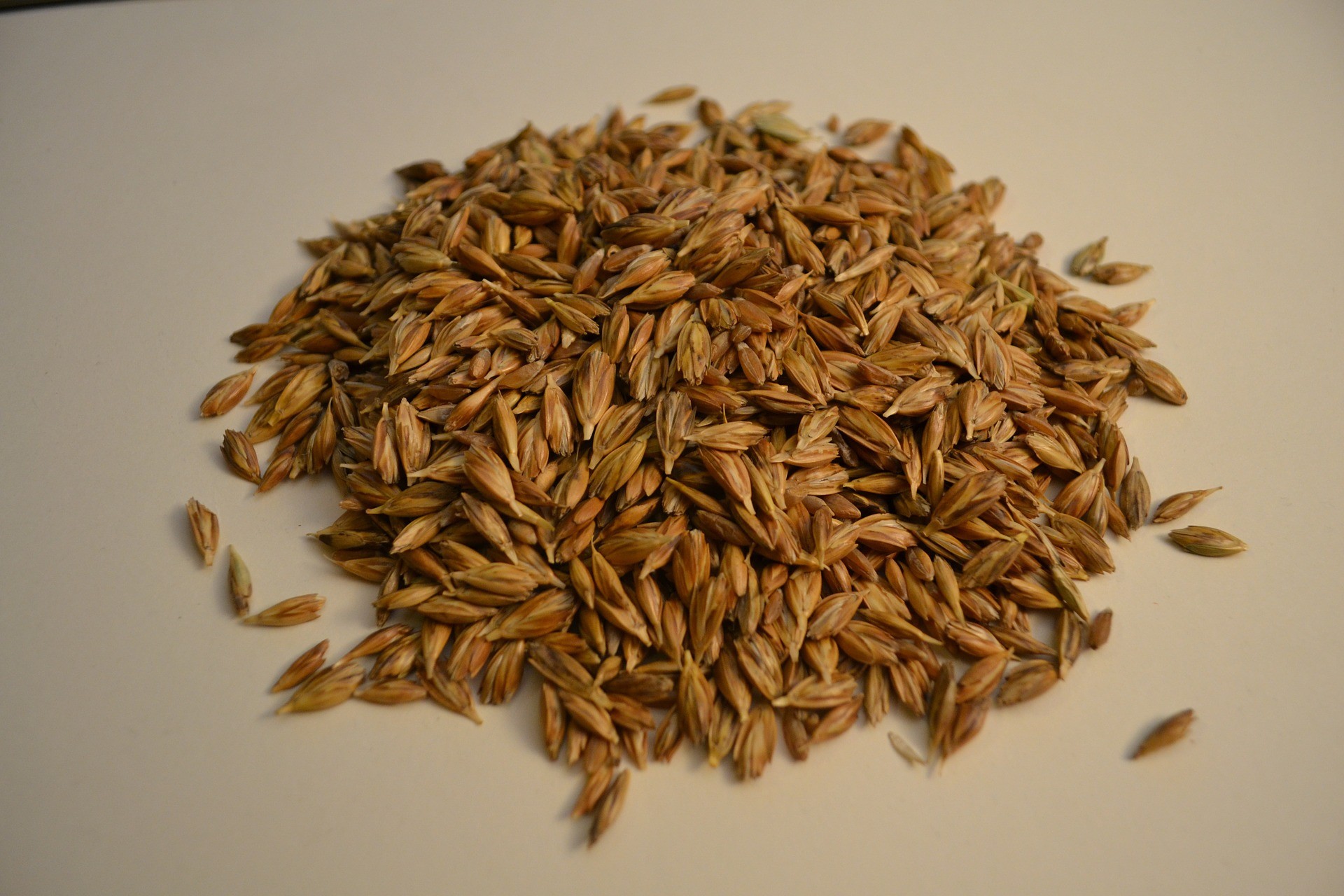
Spelt is an ancient food of the peoples who lived around the Mediterranean basin. It fed the Roman army, was a biblical food, and is the national dish of Lebanon. Not only was it a staple food, but it was also a cure for many diseases. Its initial use was as the main ingredient of bread. The plant’s grain is covered by a shell harder than most other wheats, which protects it from insects. It is rich in fiber, B-complex vitamins, minerals, simple and complex carbohydrates, and proteins.
Spelt has been used for centuries as a healing food. One of the reasons it is a healing food is its high fiber content and another is that it has more protein compared to other wheat. It also retains the germ and bran because it is unprocessed. It is used as a cereal in soups, salads, and desserts and in flour form for bread and pasta.
It contains less gluten than other cereals, making it a preferred substitute for other wheats. It is a small light brown grain with a noticeable bran and has a chewy texture with a mild flavor. It is recommended to buy the whole grain and break it in a food processor or coffee grinder for the freshest results.
Benefits of spelt
- For a healthy digestive system, spelt has many qualities that aid digestion. It swells in the digestive tract, promoting bowel movement, and prevents constipation, resulting in timely elimination of waste. Among wheat grains, spelt is the most digestible and has the lowest amount of wheat gluten, so it can be eaten by those with gluten intolerance.
- Spelt is an excellent heart-healthy food containing antioxidants called lignans. These substances reduce inflammation, lower the incidence of arterial plaque, and decrease cholesterol levels. As a result of these processes, the grain helps lower blood pressure, serving as a support to reduce the risk of cardiovascular diseases.
- For vegetarians, spelt is a good source of protein and B vitamins. It provides amounts of protein comparable to beans and legumes and more than many whole grains. Eaten with vegetables, spelt forms a complete protein that supports many bodily functions. Its high content of B vitamins provides energy by converting food into carbohydrates, proteins, and fats. It rebalances metabolism and helps a healthy nervous system by maintaining normal neurotransmitter function. Vitamin B2 and other B vitamins in spelt are essential for development and a healthy reproductive system.
- Spelt has a high content of complex carbohydrates and its low glycemic index/load makes it an excellent food for people with diabetes. Because it aids the digestive process, rapid stomach emptying increases starch digestion and reduces glucose absorption. It regulates insulin levels, making it a preventative food for type 2 diabetes.
- For women approaching menopause, it is recommended to add spelt to the diet. During this transition period when the body reduces estrogen production, spelt provides phytoestrogen lignans, a substance that can be converted into mammalian estrogens by intestinal bacteria. Because it contains lignans, spelt relieves symptoms of hormonal imbalance during premenopause, menopause, and postmenopause periods, such as hot flashes.
- Since ancient times, spelt has been used as a staple food and healing aid. Its popularity declined with the development of durum wheat but has gained favor since the late 20th century. The dietary and scientific discovery of its rich nutritional value has brought spelt to grocery shelves. Once found only in specialty food stores, today spelt can be found in supermarkets, ethnic food stores, and natural food stores.