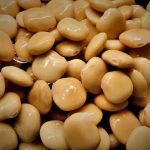
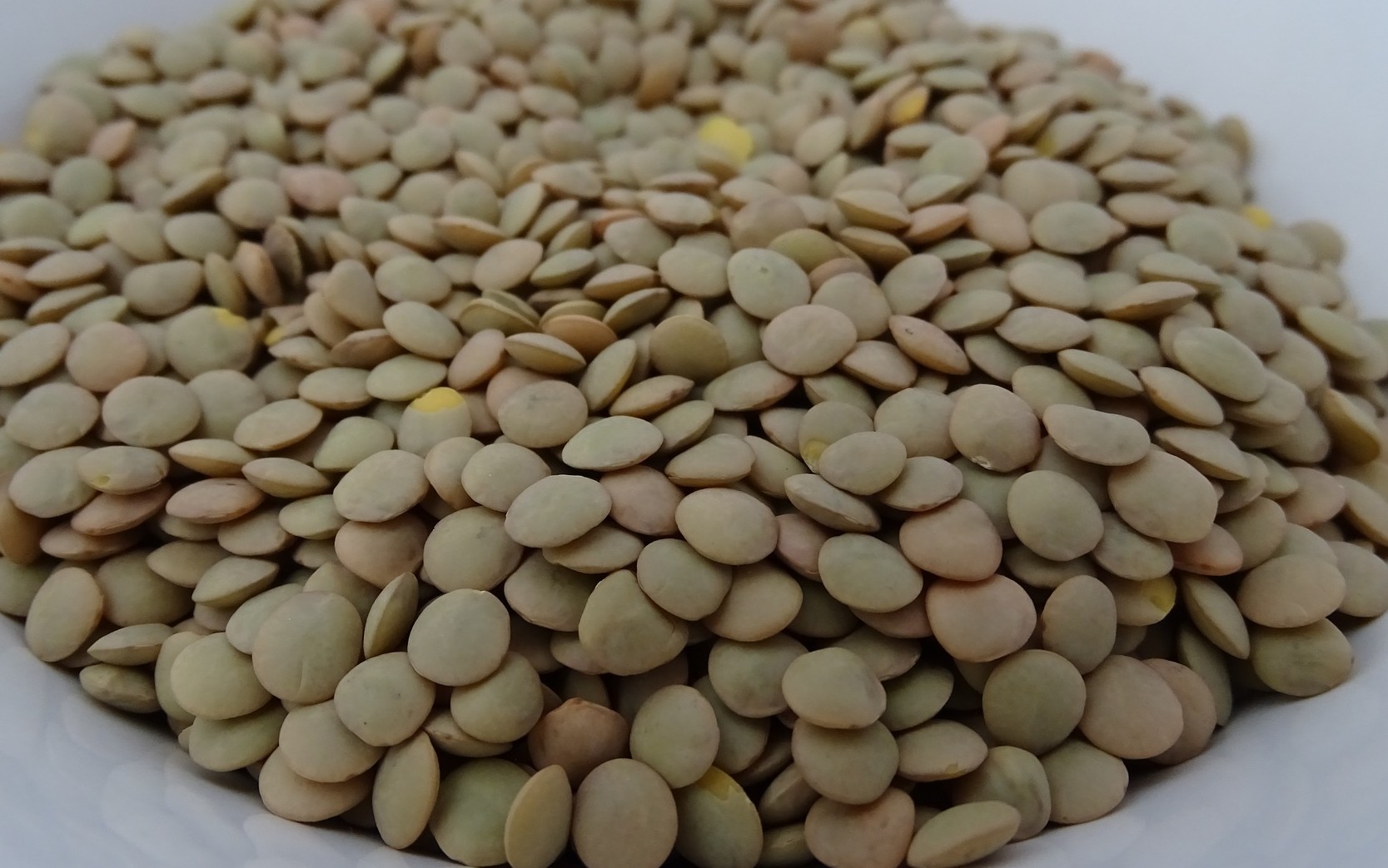
Lentils belong to the botanical family of Fabaceae which also includes soybeans, black beans, white beans, borlotti beans, and peanuts, just to name a few. Lentils are small seeds that grow in pods of two. There are about a dozen varieties of lentils, which vary in color, size, and how they hold their shape once cooked.
Nutritional values of lentils
Lentils are rich in complex carbohydrates, a nutrient that boosts metabolism and helps the body burn fat. They are an excellent source of fiber, which can help reduce cholesterol levels. Lentils are also an exceptional source of folate and magnesium.
- Lentils are rich in minerals, protein, and fiber. 100 grams of cooked lentils contain: 116 calories. 9.02 g of protein.
- Lentils are also an excellent source of fiber, vitamin B1, and folic acid and are naturally gluten-free.
- Lentils are a nutrition powerhouse. A 1/2 cup serving is an excellent source of folate, fiber, and manganese and a good source of protein, thiamine, iron, phosphorus, potassium, and copper.
Benefits of lentils
Soluble fiber helps regulate digestion while insoluble fiber prevents constipation and helps reduce the risk of disorders such as diverticulitis. Lentils have many health benefits and provide a lot of soluble fiber along with these:
- Reduced risk of heart disease
- Lower cholesterol levels
- Helps stabilize blood sugar levels
- More energy from lean proteins
- Helps with weight loss because lentils are a low-calorie, nutrient-rich food.
- Magnesium also helps oxygen flow around the body, which means it helps you use your energy.
- Manganese helps the body form bones and connective tissue, also playing a role in calcium absorption and blood sugar regulation.
- Proteins help the body repair cells and create new ones, which is very important during periods of growth and development for children, adolescents, and pregnant women.
- Thiamine plays a role in muscle contraction and helps the body convert carbohydrates into energy.
- Iron is needed for growth, development, and creating red blood cells necessary to carry oxygen from the lungs to the rest of the body.
- Phosphorus is important in the formation of bones and teeth.
- Potassium supports nerve and muscle communication and helps maintain normal blood pressure.
- Copper works with iron to form red blood cells and aids iron absorption.