
Steaming is an extremely advantageous method of food preparation that deserves to be considered in your kitchen. Compared to traditional boiling, this technique better preserves essential nutrients such as vitamins C and B complex, calcium, and magnesium. Moreover, steaming emphasizes the natural flavors of the ingredients, creating dishes that are more flavorful and with the ideal texture without the need for excessive seasonings. In this article, we will explore 8 foods that will greatly benefit from this cooking method, offering you insights and suggestions to make the most of their potential.
1. Leafy Green Vegetables
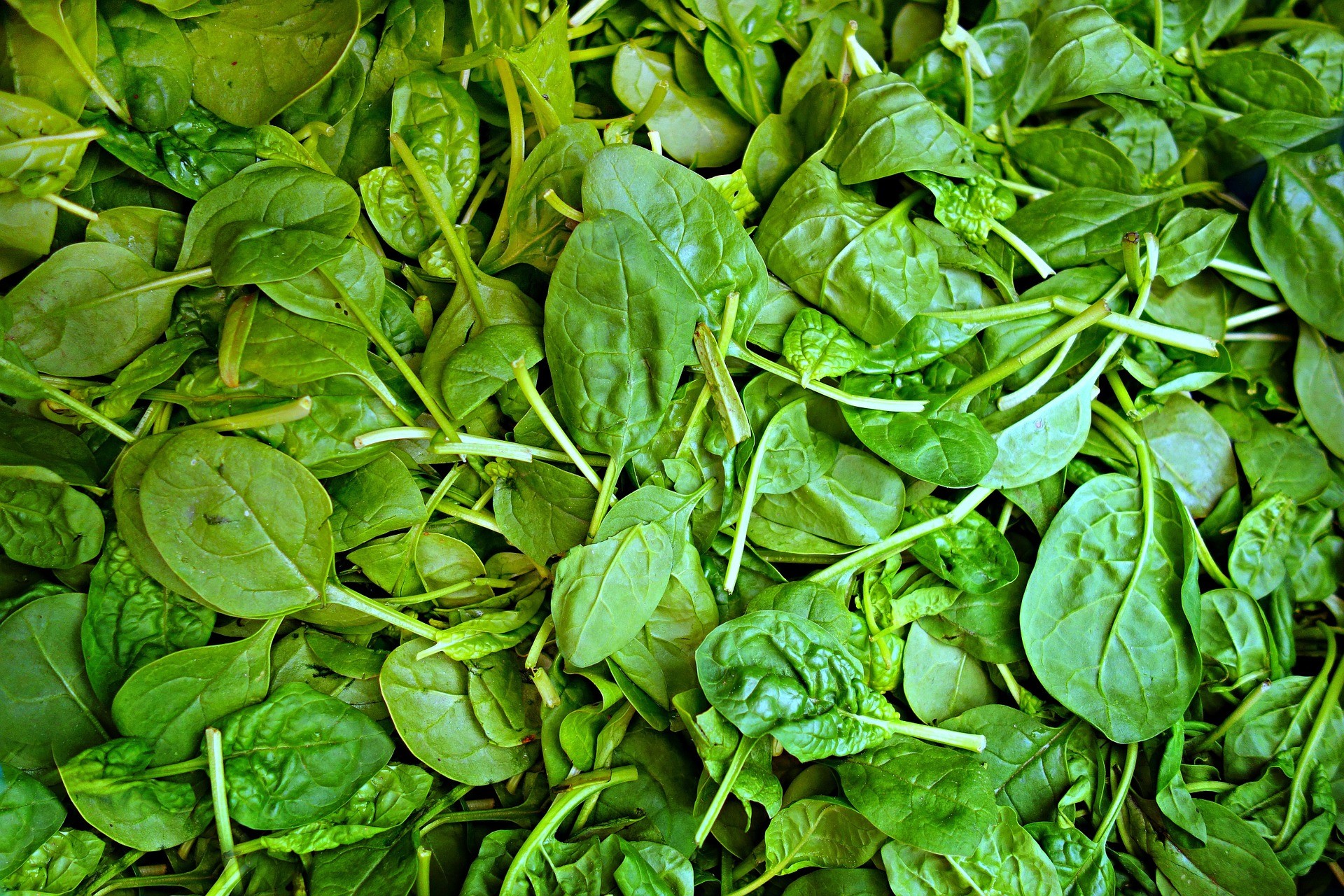
Leafy green vegetables such as kale, chard, spinach, and Swiss chard are undoubtedly among the foods that gain the most from steaming. This technique softens their crunchy texture, reduces any bitterness, and preserves their precious nutrients. When steamed, leafy greens maintain a vibrant color and a tender texture, making them an ideal side dish or ingredient for healthy and nutritious meals.
To achieve the perfect result, it’s important not to overcook them, especially for more delicate varieties like the spinach, which risk becoming mushy if left too long in the steam. The goal is to achieve a fork-tender texture with a still bright and vibrant appearance.
2. Apples
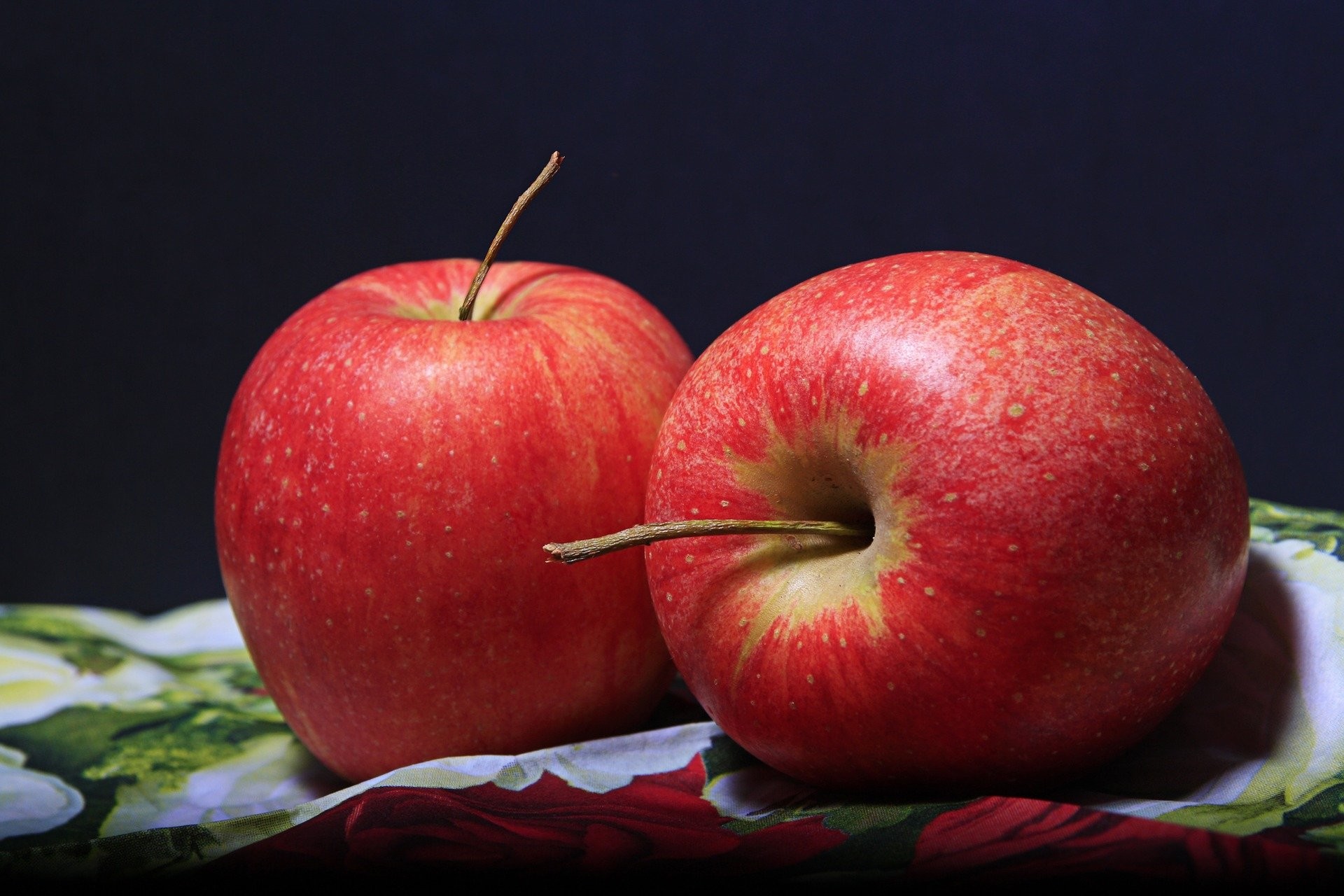
Apples, although a simple and common fruit, can prove to be an interesting addition to numerous dishes when steamed. This technique creates a soft and velvety texture while enhancing their natural sweet-tart flavor. Steamed apples can be used as a base for sauces, as decoration for desserts, or as a side dish for meat and fish.
Choosing the apple variety is key to obtaining the desired result. Apples like Granny Smith, with their tart note and firm flesh, adapt perfectly to steaming without risking turning into mush. In contrast, softer varieties like Cortland break down easily, making them ideal for preparing delicious homemade apple compote.
3. Rice
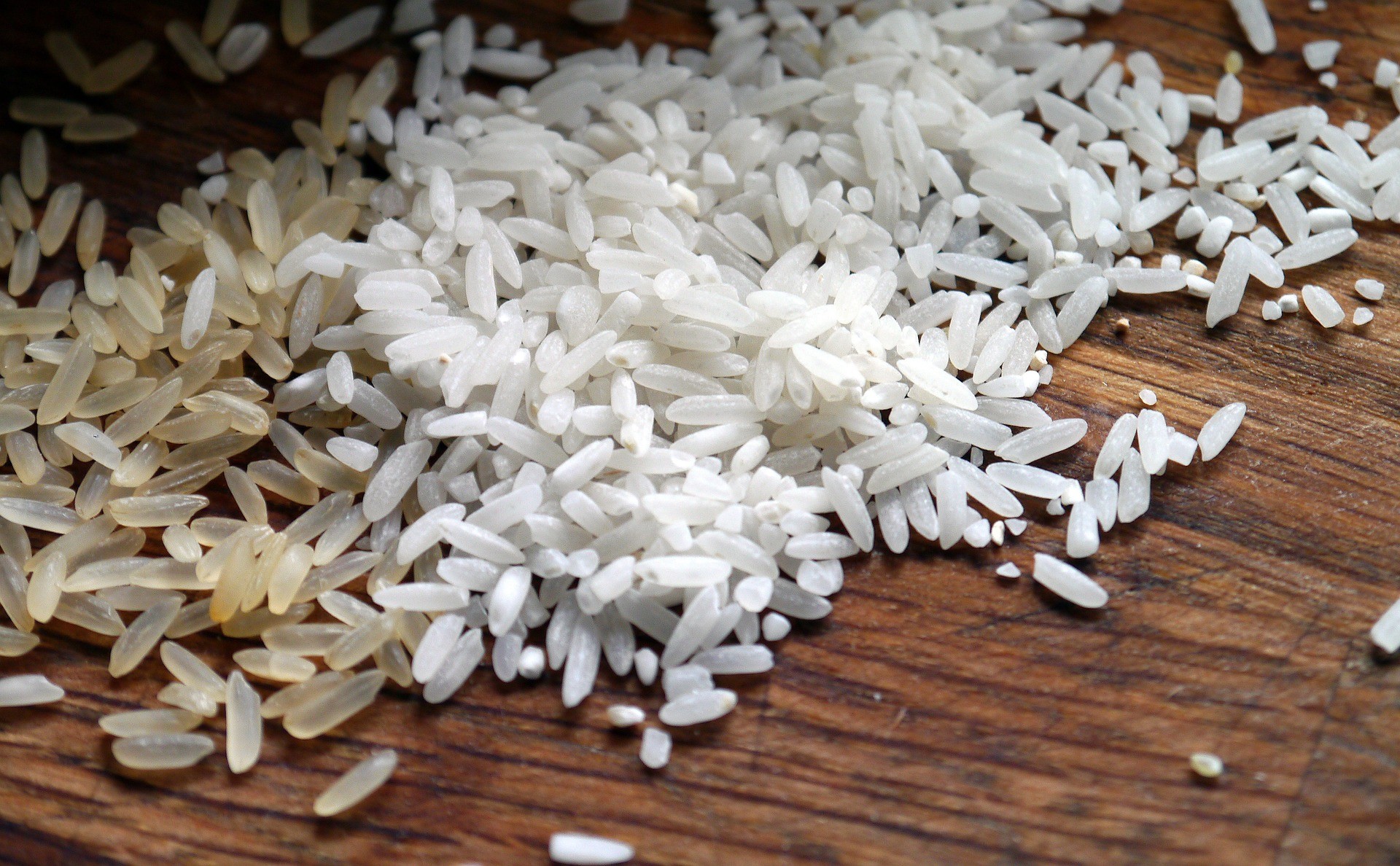
Rice, a staple in many diets, greatly benefits from steaming. This method ensures the right soft and aromatic consistency of the grain without the need for a special rice cooker. Additionally, steaming allows experimentation with different spices and aromas to personalize your rice according to your taste.
To achieve perfectly steamed rice, start by thoroughly rinsing the grains until the water runs clear. Then, cook them steamed using a ratio of 2 parts water to 1 part rice. The trapped steam does all the work, and in 18-20 minutes you will have soft and fragrant rice, ready to accompany any dish.
4. Broccoli
If you want to obtain broccoli that are not only delicious but also retain their vivid emerald green color and precious nutrients, steaming is the ideal solution. A study published in the journal Nutrition Research demonstrated that this cooking method is one of the best for preserving broccoli’s nutritional content.
Start by cutting the broccoli into bite-sized florets and steam them for 5-7 minutes, depending on the desired texture. For a simple and healthy side dish, try steamed broccoli seasoned with a squeeze of lemon and a drizzle of extra virgin olive oil.

5. Asparagus
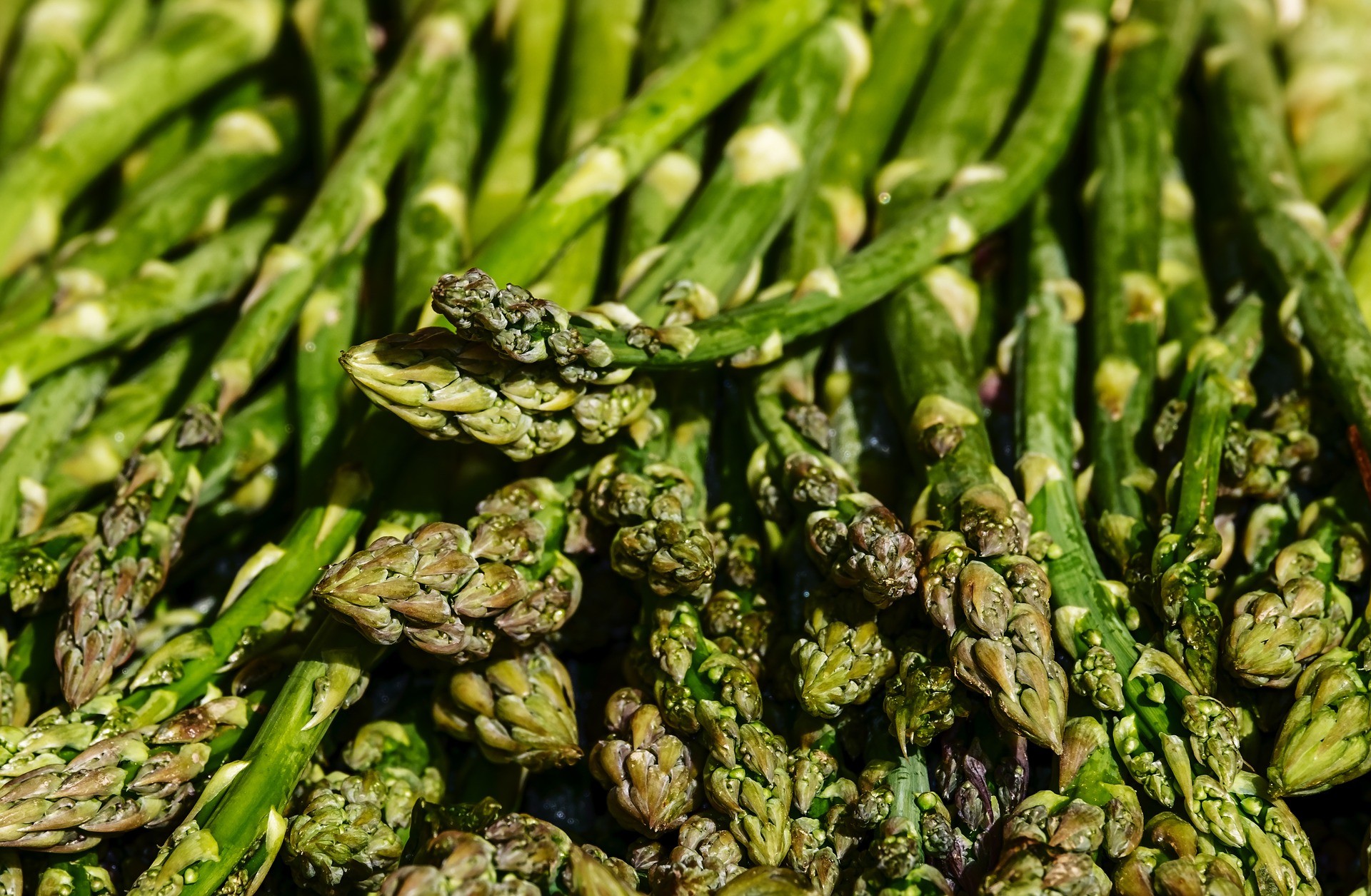
Steamed asparagus is truly a unique culinary experience. This cooking technique preserves the asparagus’ strong flavor and crunchy texture, which are often lost when roasted. Steamed asparagus also makes a fantastic addition to numerous dishes, from quiches to succulent meat entrees.
For the best result, cut the asparagus to the desired length and steam for about 5-7 minutes until tender but still firm. As with broccoli, a simple dressing of lemon, extra virgin olive oil, and salt can further enhance the flavor of steamed asparagus.
6. Pumpkin
Abandon the idea of the classic pumpkin pie and discover the wonders of steamed pumpkin in cooking. This vegetable is not just a decorative element for Halloween but a real mine of nutrients such as vitamins A and C, potassium, and fiber when steamed. Steamed pumpkin is a fantastic ingredient for curries, casseroles, or even for making a delicious homemade pumpkin cream.
When steaming pumpkin, make sure the pieces are uniform in size to ensure even cooking. The result should be tender pumpkin that can be easily pureed, maintaining its bright color and natural sweetness.

7. Lentils
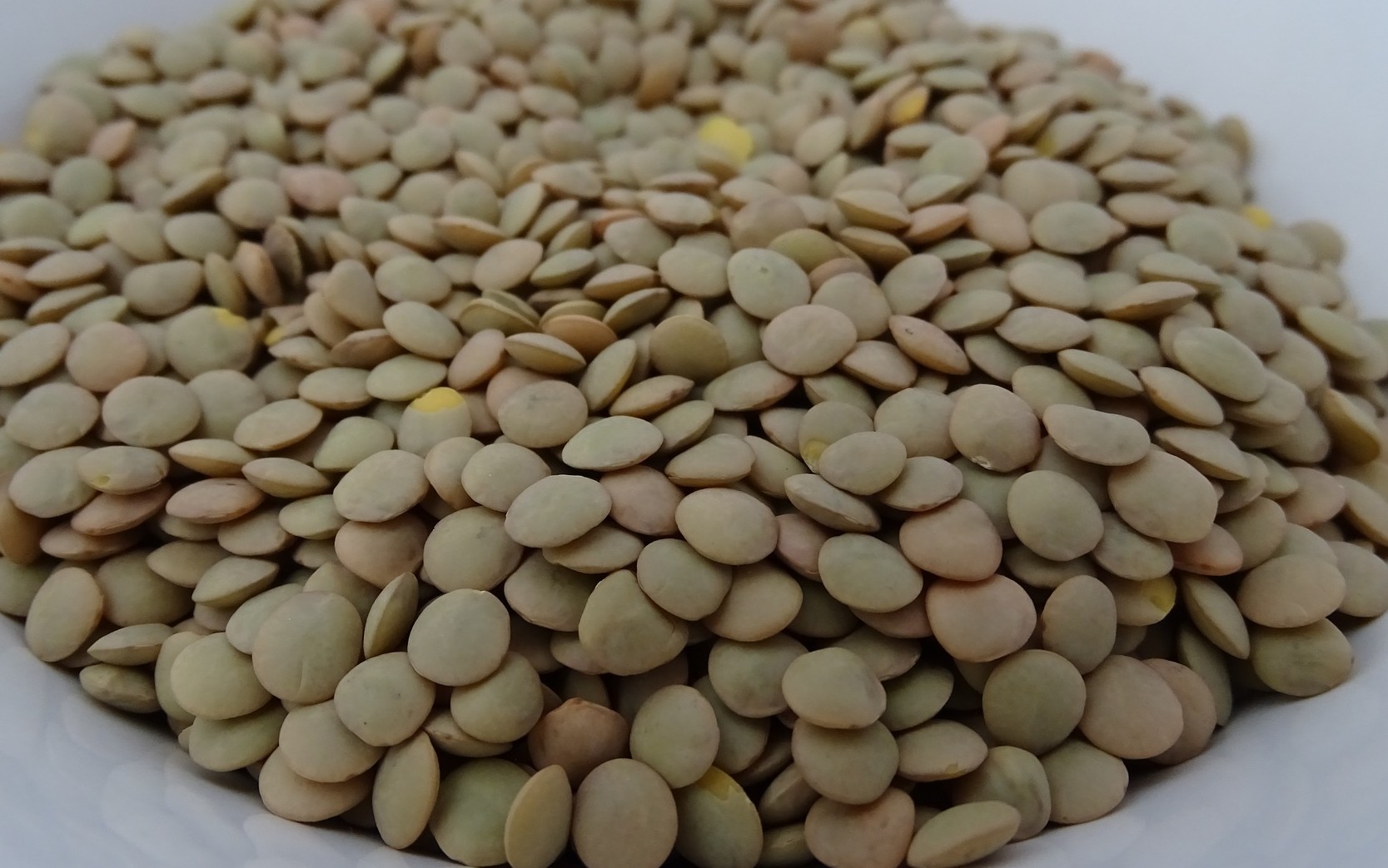
Lentils, rich in protein, can be an excellent vegetarian alternative in many dishes and are equally delicious when steamed. This cooking method prevents lentils from turning into mush, as often happens when boiled, preserving their structural integrity, texture, and nutritional content.
Steam lentils over medium heat, adjusting cooking time based on the lentil variety and desired texture. For example, green lentils usually require 30-40 minutes of cooking, while red lentils can be ready in just 15-20 minutes.
8. Carrots
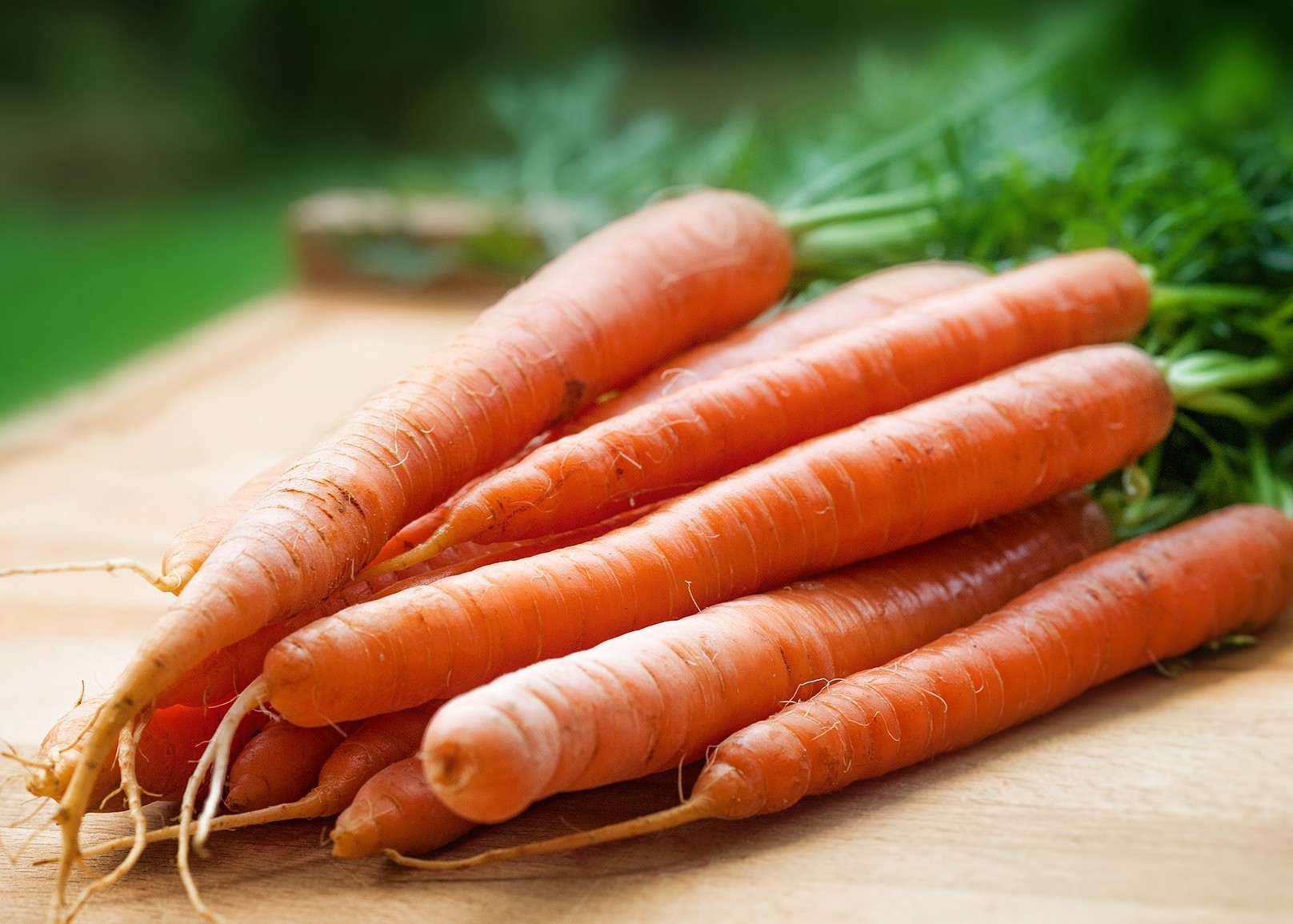
Steaming carrots helps retain their nutritional value, particularly beta-carotene, without losing their natural sweetness or drying them out excessively. Additionally, it’s a simple and practical method that produces perfectly tender and flavorful carrots every time.
The key to excellent steamed carrots is not to overcook them. Aim to cook them until just tender, typically between 7 and 10 minutes depending on the thickness of the pieces. This way, you will have a soft yet still firm texture, ideal for salads or as a side dish.
These are just some of the foods that will greatly benefit from steaming compared to traditional boiling. Not only does steaming preserve and even enhance the nutritional content of ingredients, but it also highlights their natural flavors. Why not try this technique in the kitchen? You’ll be surprised at how simple it is and how delicious your dishes can become!