

Dehydration by drying is the oldest method of food preservation in humanity. Primitive man dried food using the heat of the sun or with the help of fire. Drying in the sun is almost impossible today: nature only allows the sun to be available for a few hours a day and only if it is not covered by clouds. This process takes a long time and requires products without pulp and seeds. Consequently, they would lack nutritional components and taste. Large spaces would be needed and above all it is very difficult to protect food from insects, dust, and pollution.
Food drying is a process in which the food is dried at temperatures ranging from 30 to 50 degrees if you want to keep the enzymes intact (with the exception of meat, which must be dried at least at 70 degrees). Thanks to the uniform airflow of the‘ food dehydrator, moisture is slowly removed from the food by evaporation. Generally, a food is considered “dehydrated” when 95% of its moisture is removed: this greatly improves shelf life and prevents food spoilage.
Dehydration is still one of the most widespread methods of food preservation worldwide for some good and powerful reasons. But also because today there is an easier and faster way to dry food conveniently at home.
The dehydrator is an ideal kitchen tool to preserve food without additives, producing delicious snacks for the whole family and to prepare lots of ingredients for your wellness dishes. The dehydrator is thus an ideal kitchen tool to preserve food without additives, producing delicious snacks for the entire family and preparing many ingredients for your wellness meals.
See also: Best food dehydrators, which one to choose
Why use a dehydrator
Drying foods brings with it many advantages: you can buy fruits and vegetables in large quantities when they are in season (and therefore at the lowest prices) and then dry them and consume them throughout the year or almost.
Drying preserves vitamins, minerals, proteins, and fiber content in foods better than any other preservation technology that exposes food to large temperature variations.
Dehydrated foods in fact are more flavorful than the original (because the flavor is concentrated) and especially compared to frozen and canned foods. Also, this system is simpler and more economical in terms of energy consumption, initial equipment cost, and less space needed for both equipment and food. For example, 20 kilos of fresh tomatoes require a lot of fridge space and materials, while the same amount of dried tomatoes weighs just over a kilo and fits in a single bag. Dried foods remain preserved dry and edible practically forever.
Drying and nutritional value
One of the greatest nutritional advantages of drying is that it maintains high nutritional value without the use of additives. When food is dehydrated and properly stored, it can keep for a long time while maintaining maximum nutrient and flavor levels. Also, various types of food can be rehydrated after dehydration and storage to regain most of their original flavor and texture. Dehydrated food weighs very little and is much reduced in size. According to a study by the United States Department of Agriculture it was found that freezing causes a loss of 40 to 60% of nutrients, while canned food loses 60 to 80% of its nutritional value, whereas the infrared drying process results in an average loss ranging from 3 to 5%!

See also: Best food dehydrators, which one to choose
10 Things to do with a dehydrator (plus one)
Cooking and heating foods at high temperatures causes a significant loss of vitamins and enzymes when exceeding 45-50° degrees: all this can be avoided with the dehydrator. Apple or banana slices can become tasty fruit chips that everyone can enjoy and, with a bit of creativity, by pairing them with chocolate or good avocado “milk,” they become excellent substitutes for candies and many other sweets. Take a look at some dehydrator recipes
1 Raw food – raw chips
It is possible to turn lots of fruits and vegetables into delicious and healthy chips like apples, kiwis, persimmons, kale, cucumbers, sweet potatoes, and many others.
2 Raw crackers and bread
You can mix seeds, nuts, dried fruit, and other ingredients to create bread and crackers.
3 Instant soups
Dry a mix of vegetables and grind them for an instant soup, all natural and with intense flavors.
4 Dehydrated raw seeds
Ideal for dried pumpkin seeds and sunflower seeds.
5 Dehydrated herbs and spices
If you have leftover fresh herbs, they can be dried for longer preservation.
6 Cereal bars
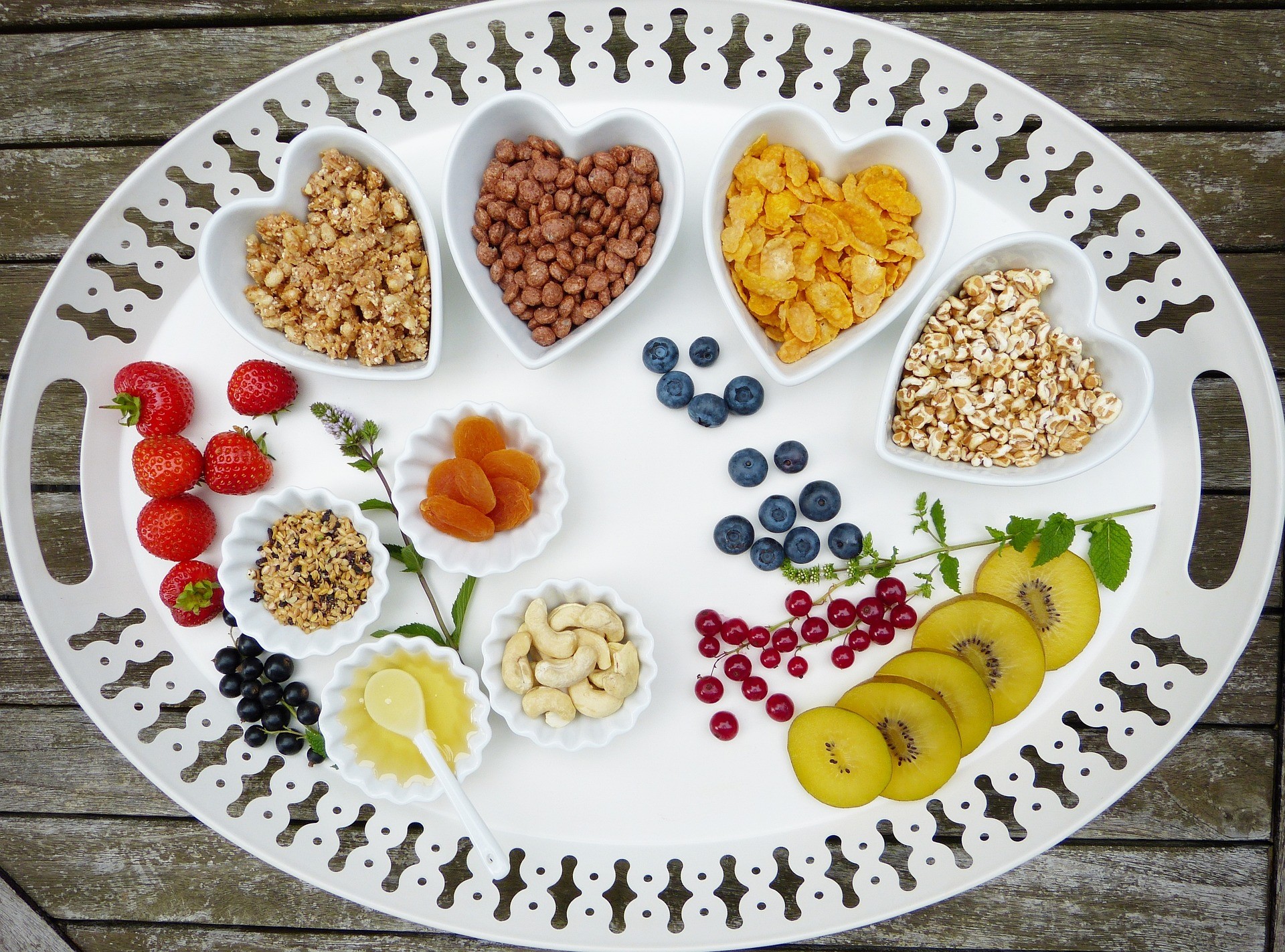
Make your own cereal bar with oats, pieces of dried fruit, yogurt, honey, coconut, nuts, chocolate, and delicious creams according to your tastes.
7 Dried meat
You can dehydrate meats marinated in sauces, garlic, parsley, etc.
8 Yogurt
With a dehydrator, making homemade yogurt is easier than ever.
9 Fruit and snacks
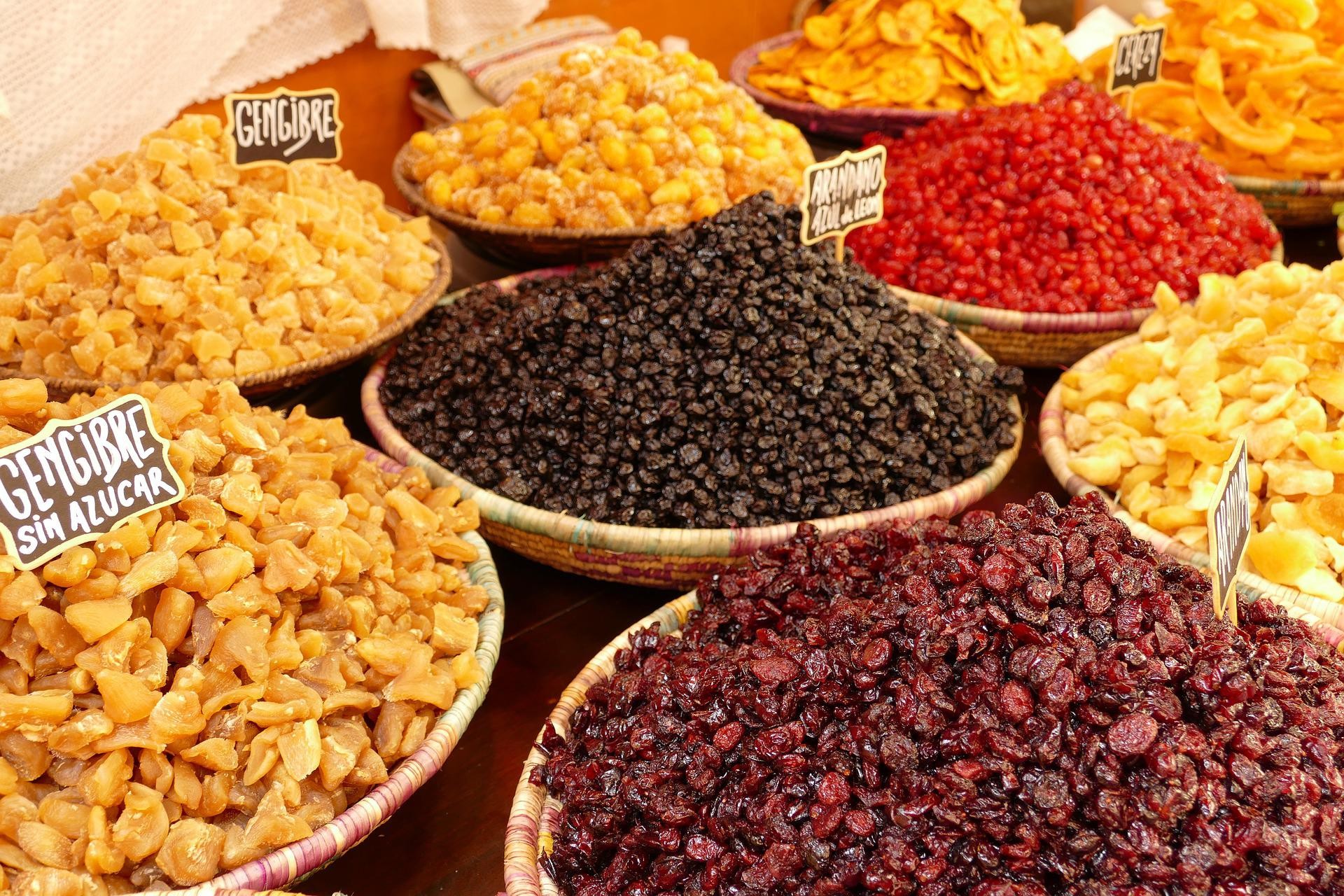
Many dried products such as fruit are also consumed dried in sweets and fruit salads, an excellent substitute for snacks or candies of dubious quality, especially away from home, at school, on trips, or during/before sports training. With a bit of imagination, starting from fruit, you can produce a lot of delicious candies at home.
10 Adding crunchiness to foods
For your cookies, bread, rice cakes, etc.
Drying moisture from cereals and seeds before milling (in cases of home mills)
For home milling processes, it is necessary to use products without excessive moisture. In this, thefood dehydrator could solve some problems.
For mushroom enthusiasts, pickled vegetables, and many other things! (Bonus)
To use dried vegetables preserved in oil, just soak them the night before in a little water. For example, for an excellent tomato sauce, fresh herbs (thyme, onion, celery, etc., to your liking) are added to the dried tomatoes rehydrated with a bit of water and everything is blended, adding powdered dried herbs at the end. For other dry foods to be used in hot dishes, just rehydrate them in water for several hours; the process can be sped up by heating everything on very low heat.
Usually, to preserve in oil, a bit of water is returned to the product to soften the vegetable. The latter is immersed in a boiling mixture of water and vinegar for a couple of minutes, stirring vigorously. It is then left to rest overnight (two or three hours might be enough, depending on the type of vegetable). Afterwards, the vegetables are placed in airtight jars with oil.
See also: Best food dehydrators, which to choose
Shade drying system
During the drying process, some foods require a special heat control and air circulation, such as various raw food recipes, for example cruciferous vegetables (vegetables high in sulfur and more precisely MSM – methylsulfonylmethane, i.e., sulfur in a bioavailable form: cabbage, savoy cabbage, broccoli, kale, Brussels sprouts, etc.) or to make crispy vegetable chips or even fruit peel. With this particular temperature control system, it is possible to maintain the same temperature throughout the drying process, while also controlling the necessary temperature. Another possible use of this mode is for yogurt production.
Solar drying system
The solar system uses short-wave infrared rays NIR (near infrared), a function perfectly reproduced in the drying process with Soul. Thus, dried food preserves at very high levels the amount of vitamin D and other minerals contained in foods. In foods such as peaches, meat, and fish, NIR helps prevent decomposition. With this mode, you can obtain delicious sun-dried tomatoes, dried meat, or other foods that require more heat to give them that extra touch of flavor during the drying process.

See also: Best food dehydrators, which to choose
Why revive the ancient art of drying in your own kitchen?
- because drying means maintaining and even increasing the potential of food
- because among all storage management techniques, drying is the most economical available
- because drying means bringing to the table a variety of fiber consumption often impossible to consume otherwise
- because drying completely eliminates oxidation of food, the alteration of its taste, smell, color, and the destruction of its nutrients, even during transport and storage
- because drying means concentrating the nutrients of food
- because drying means creating healthy crunchiness in the kitchen that allows the consumption of fruits and vegetables even by those most resistant to them
- drying avoids using any chemical elements to preserve food over time
- because drying allows transporting the flavors of a season beyond the classic shelf-life of products
- because through drying you can also create aromas and fragrances for the home always through fruit, vegetables, spices, leaves
Drying is an art simple, the simplest way to create a kitchen that is both traditionally new and a diet aligned with well-being.