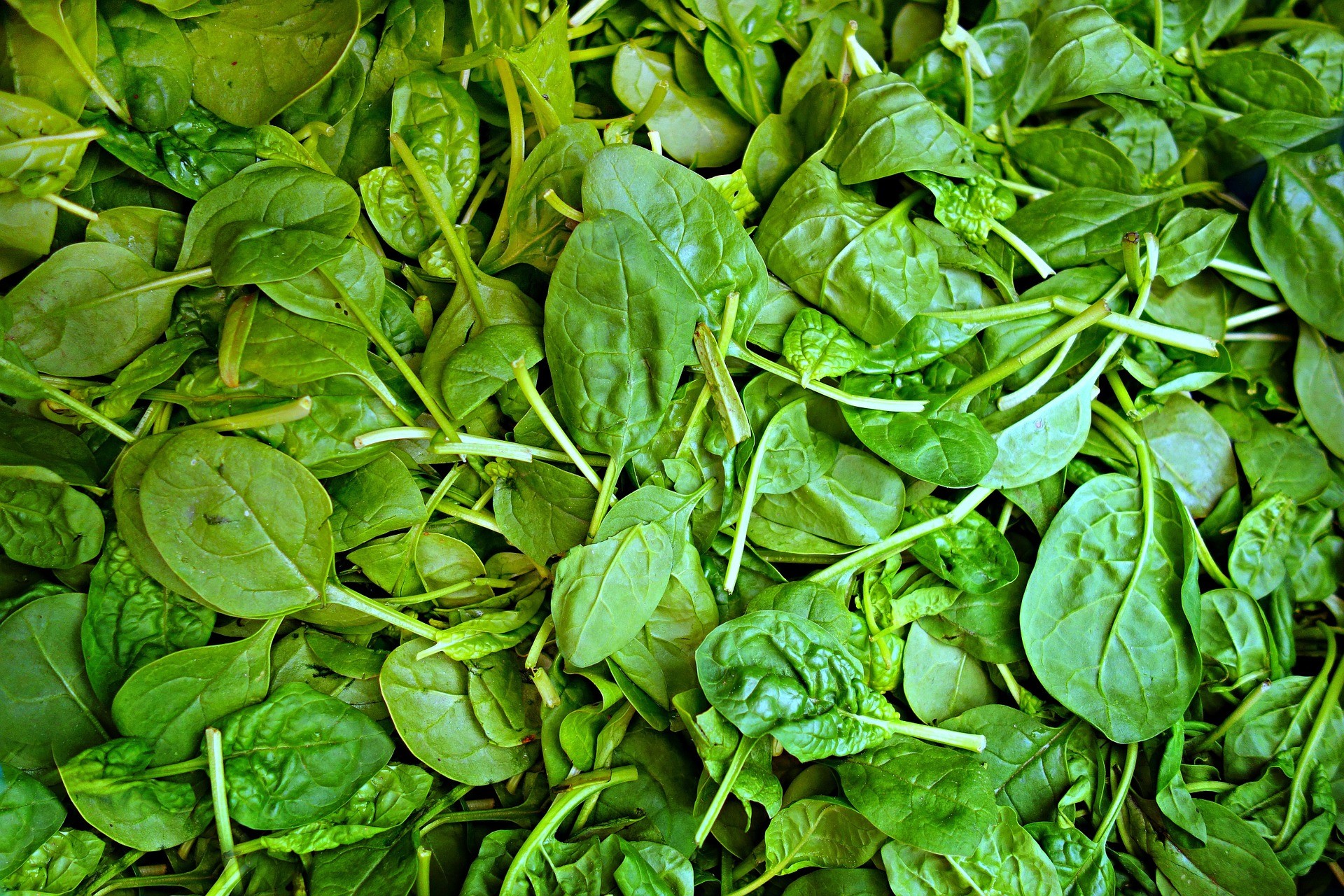
Many cuisines, particularly Mediterranean, Middle Eastern, and Southeast Asian, use spinach because it is affordable and easy to prepare. The plant is native to ancient Persia (now Iran and surrounding areas) and migrated to India, where it was called “Persian vegetable,” then made its way to China through Nepal. The Saracens introduced the plant to Italy through Sicily. Spinach became a staple food during Lent, and during the reign of the French queen Catherine de’ Medici, born in Florence, she had the plant used in all recipes, so much so that spinach became known as “Florentine“.
Spinach comes in many varieties and can be found in three groups that include Savoy, semi-Savoy e flat leaf. The Savoy varieties are curly, wrinkled, and have a spongy texture. The flat leaf spinach varieties are smooth and have a larger leaf than the Savoy variety. The semi-Savoy varieties have characteristics of Savoy to a lesser extent and are larger and flatter.
Spinach is a versatile food that can be used in a myriad of recipes. The leaves should be washed thoroughly as they tend to collect sand and dirt. When cooking spinach, use minimal heat, minimal cooking time, and limited contact with liquids. It is suggested to boil the leaves to release the acid content, making them sweeter to the taste. Spinach is a great ingredient for lasagna, salads, side dishes, and main courses. Some serving suggestions are poached eggs on spinach, warm spinach salad with tuna, and sautéed spinach with sweet potatoes. According to the United States Department of Agriculture, a 1/2 cup serving of spinach contains 28.1 micrograms of vitamin C, 34% of the daily recommended amount.
Health benefits thanks to spinach
Spinach has high nutritional value including vitamins, minerals, and a myriad of both water-soluble and fat-soluble phytonutrients. There are vitamins A, B1, B2, B3, B4, B5, B6, E, and K; minerals present in spinach include iron, magnesium, potassium, calcium, manganese, copper, zinc, and phosphorus. Phytonutrients contained in spinach include omega-3 fatty acids, dietary fiber, flavonoids, and carotenoids.
These nutrients make spinach an excellent healing herb that can prevent and reduce the risk of developing many diseases. Benefits include eye health, reducing the risk of developing cataracts and macular degeneration, and improving vision. It is important for cardiovascular health: it regulates blood pressure which helps prevent heart attacks and strokes, atherosclerosis, and hemophilia. Other health benefits include healthy fetal development, bone mineralization, and reducing the risk of developing cancer.
In summary
Diabetes management
It contains an antioxidant known as alpha-lipoic acid, which lowers glucose levels, increases insulin sensitivity, and prevents oxidative stress-induced changes in diabetic subjects.
Cancer prevention
Effectively blocks the carcinogenic effects of heterocyclic amines, which result from grilling food at high temperatures.
Asthma prevention
It is an excellent source of beta-carotene, which can reduce the risk of developing asthma.
Blood pressure
It has a high potassium content. A low potassium intake can be a risk factor for developing high blood pressure as significant as a high sodium intake.
Digestive regularity
It is rich in fiber and water to help prevent constipation and promote a healthy digestive system.
Skin and hair
It has a lot of vitamin A, which regulates oil production in skin pores and hair follicles and is necessary for the growth of all body tissues. It also helps to build and maintain the collagen. Foods rich in iron, like spinach, can prevent hair loss.