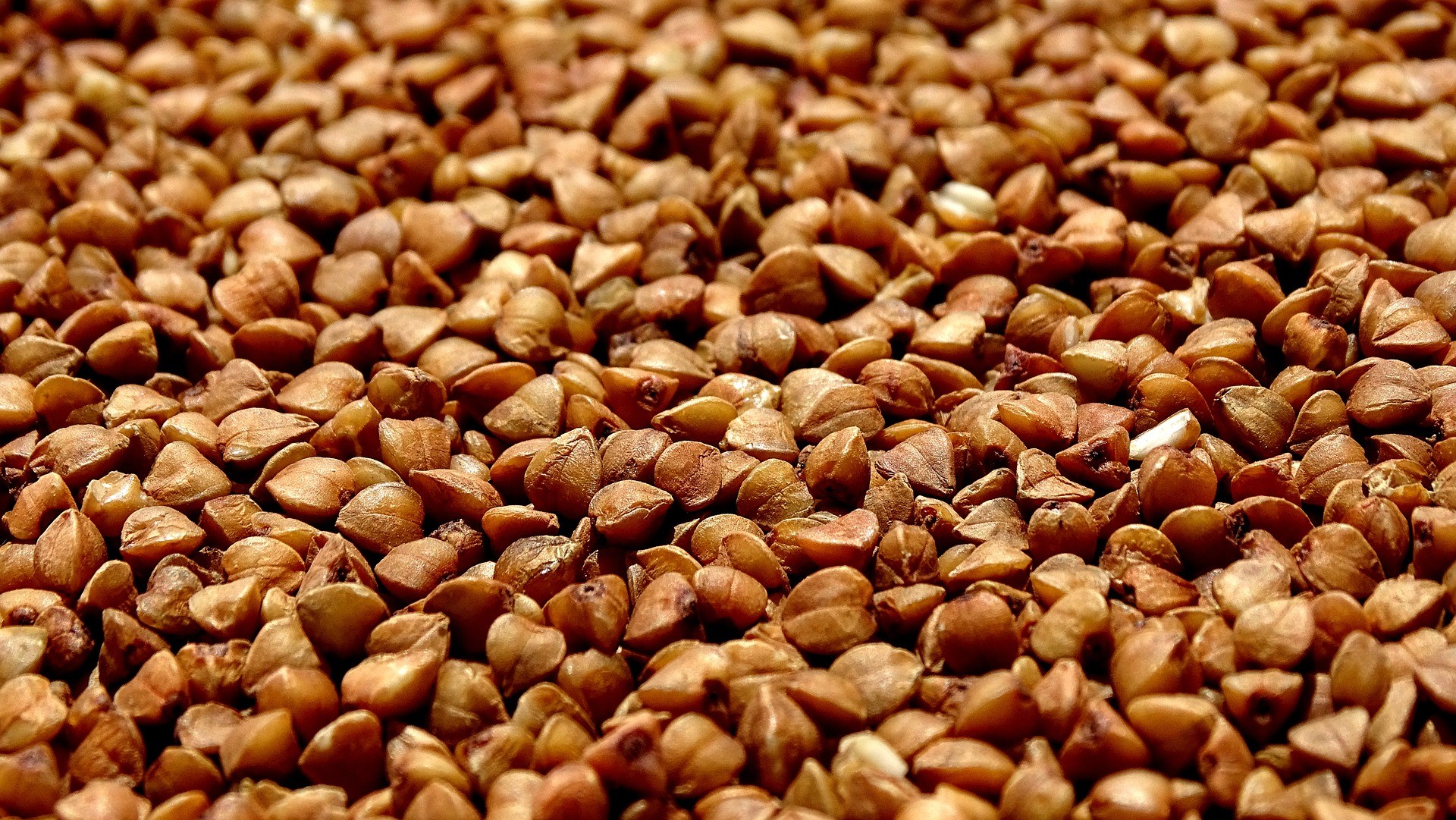
Buckwheat is first cultivated in Japan around 5000 BC. The plant then found its way into China and Siberia. It migrated to Europe through Turkey and Russia. It is a hardy plant that grows in places where other plants will not, and because of this, it became a staple for Europe. Farmers ate it in the form of porridge or pancakes. The most common use was a Russian dish called kasha.
The buckwheat is actually a fruit and is related to rhubarb and sorrel but is classified as a cereal due to its use. Buckwheat is used in two forms: groats and flour. Groats are the hulled fruits that can be toasted to be added to recipes, sprouted, or made into cereals. The flour may be found dark or light in color (the darker color is more nutritious).
Health benefits of buckwheat
Holistic characteristics classify buckwheat as a gluten-free food rich in nutrients, antioxidants, insoluble fiber, and proteins containing all essential amino acids. This makes it a useful tool in treating many diseases.
- For cardiovascular health, buckwheat is an important food. It reduces serum cholesterol and low-density lipoprotein (LDL) cholesterol and increases healthy cholesterol (HDL) thanks to its high antioxidant content. This is due to its rich flavonoids, particularly rutin, which acts as a catalyst for vitamin C in fighting disease. They also maintain healthy blood flow, reducing the risk of platelet clotting. As a good source of magnesium, buckwheat relaxes blood vessels, which also helps blood flow and thus lowers blood pressure.
- Buckwheat is a food to add for type 2 diabetes control. Its nutritional content is effective in lowering blood glucose levels and balancing insulin responses. It is also satiating, meaning smaller portions can satisfy hunger and thus help reduce weight. The magnesium content in buckwheat is also a factor that lowers the risk of type 2 diabetes in women.
- Rich in insoluble fiber, buckwheat is a great food to prevent the development of gallstones. This fiber is believed to accelerate intestinal transit time and reduce bile acid secretion, which reduces the risk of excess bile acid that helps form gallstones.
- Buckwheat is a high-protein food: it has more than any other form of wheat. It is an excellent source of protein for vegetarians because it contains two amino acids the human body cannot produce: lysine and arginine. It benefits the body in many ways because it supports growth and muscle synthesis and balances energy.
- Since it has no gluten content, it is an excellent hypoallergenic food making it a good food for people suffering from celiac disease and those sensitive to gluten. It prevents digestive issues such as bloating, constipation, diarrhea, and leaky gut syndrome.
How to store buckwheat
It is used to make pancakes and combined with wheat flour to make bread. Buckwheat flour should be stored in the refrigerator where it can stay fresh for several months. Groats should be kept in an airtight container in a cool, dry place and can last up to a year.
Buckwheat should be stored in a covered, dry container and when buying it in bulk, make sure to check the bins: they must be clean, dry, and covered. It can be found prepackaged or loose in most health food stores, and it is always advisable to buy organic buckwheat groats or flour.