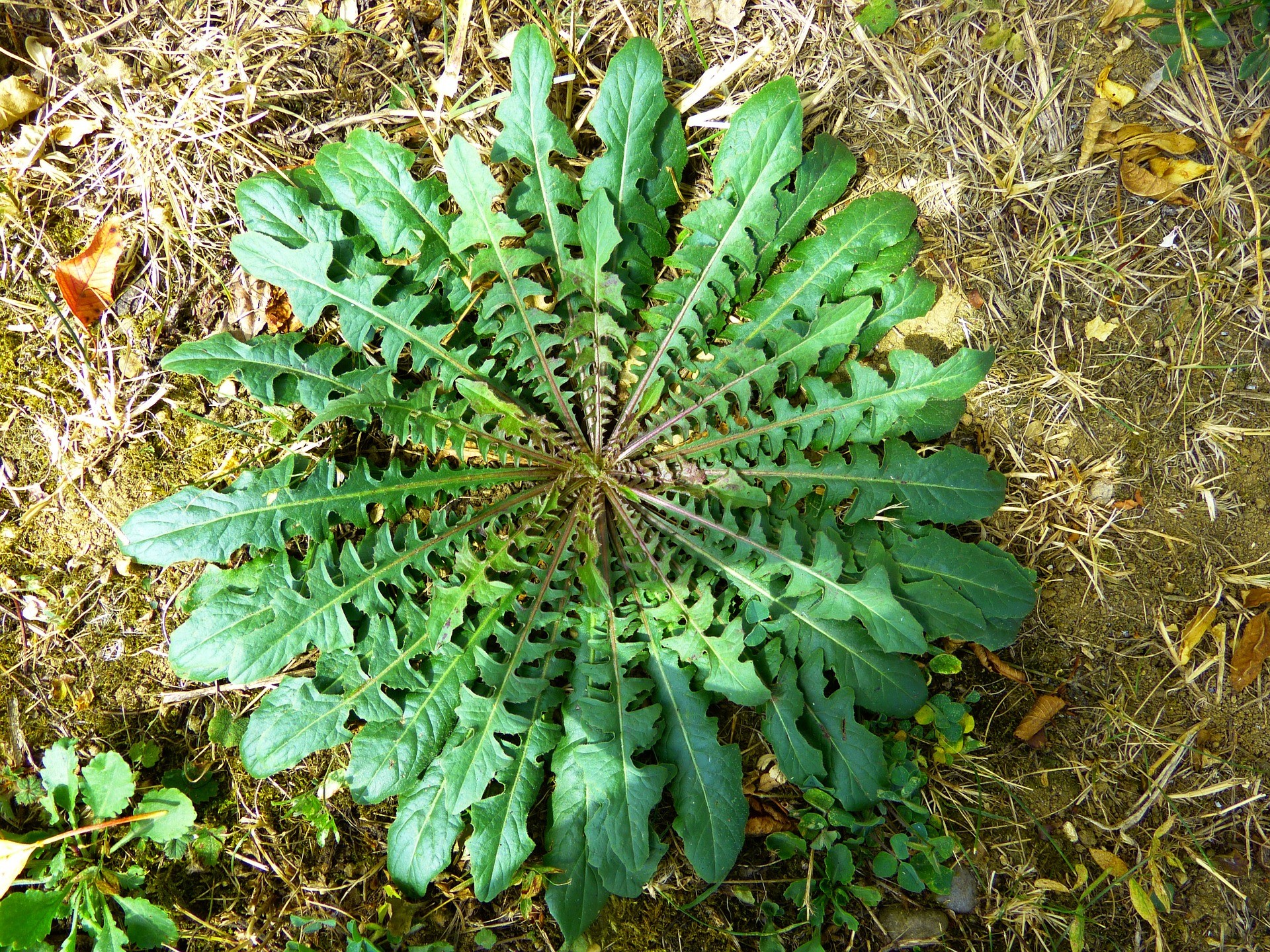
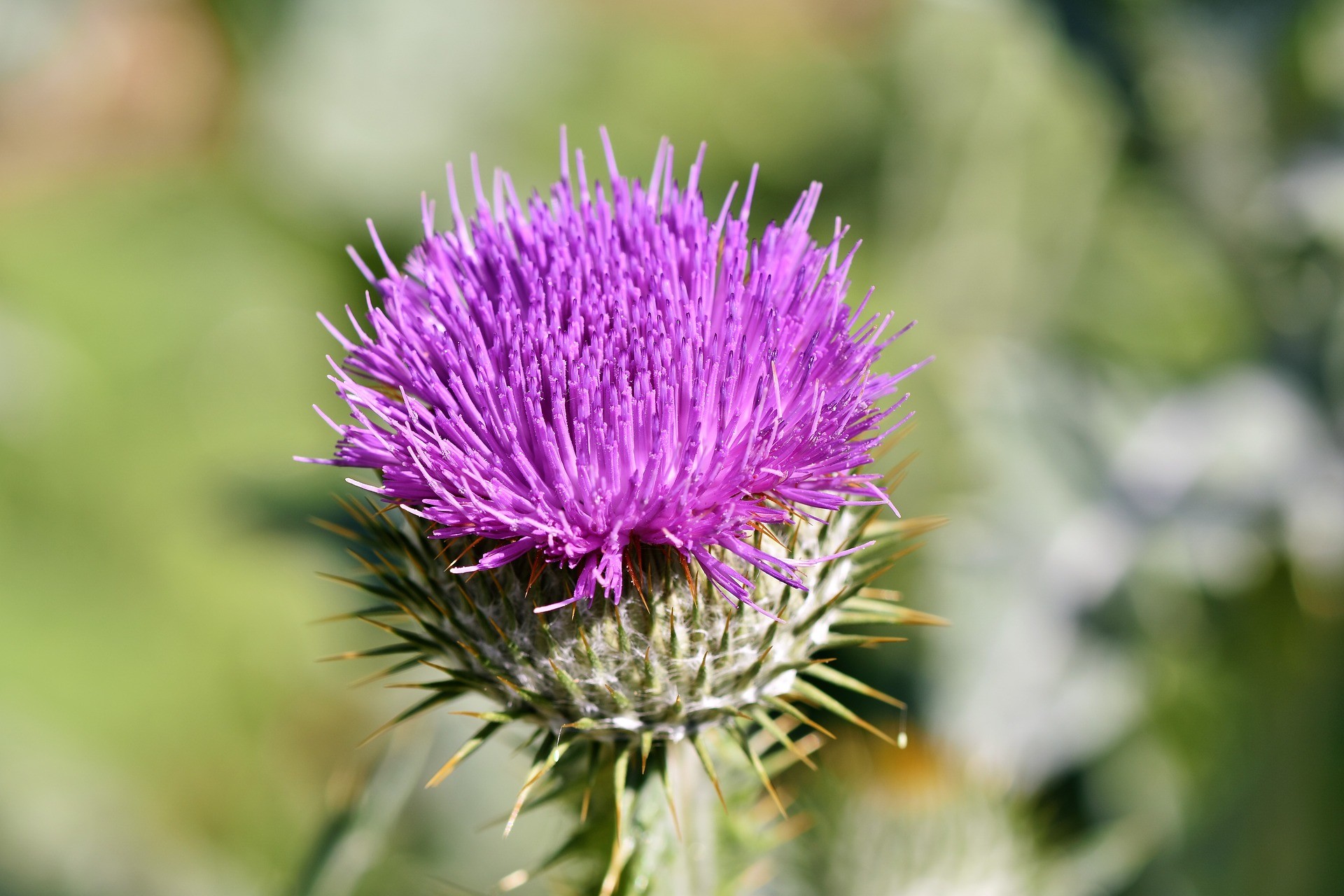
Cardoons are native to the Mediterranean region and have been cultivated since the Greek and Roman eras. They became a popular food throughout Europe in the 18th and 19th centuries and were brought to America by Italian immigrants. They are abundant in the Lucanian Apennines. Edible cardoons look similar to celery, with a silvery-gray stalk and medium-sized flowers that are like a combination of an artichoke and a common thistle. And in fact, artichokes resemble cardoons quite a bit.
The leaves have a hairy and spiny texture with heavy central veins; the flower heads, stalks, and large veins of the main leaves were used in recipes. They were often eaten raw at the end of a meal but in modern times are often consumed as an appetizer. The immature buds are pickled in vinegar or brine with seasonings. They are closely related to the artichoke and can be prepared more or less the same way, steamed and in salad.
Benefits of Cardoons
- Cardoons are a vegetable rich in nutrients. They contain protein, fiber, carbohydrates, calcium, potassium, and vitamins C, B5 (also known as pantothenic acid), and B9 or folic acid. Cardoons also contain iron, contributing to the vegetable’s health benefits.
- Adding cardoons to the diet prevents many health problems and maintains balance in the body. Cardoons can prevent insomnia because they contain magnesium, which relaxes and calms the brain. It is also a balancing factor for neurotransmitters throughout the body, resulting in headache relief.
- Other health benefits of cardoons are improved growth and development of the body. Containing iron, cardoons promote mental function, normal motor skills, and the assimilation of new information. Their high calcium content reduces the risk of colon and rectal cancer. The potassium present in cardoons supports the digestive process, reducing the incidence of constipation and contributing to normal kidney function, lowering the risk of kidney problems.
- Knowing the correct way to select, prepare, and store cardoons is important for a good result. The ideal cardoon has a gray-green hue with heavy moist stalks that are not as crunchy as celery. The leaves should be soft, and the color should be gray-green, just like the stalk. The stalks must be washed thoroughly and the veins or strings removed from the larger stalks. The ends should be trimmed and the small leaves removed. They keep for five to seven days in the crispest section of the refrigerator, and it is recommended to cut the stalks in half and wrap them in plastic before storing.