In ancient times, the radicchio plant was used as a blood thinner and as a treatment for insomnia, but it did not begin to be cultivated until the 15th century in the Veneto region of Italy. The varieties of the plant are named after the region where they originate.
The modern version of the plant was developed by Francesco Van den Borre, a 19th-century Belgian agronomist, using the same cultivation methods employed in growing endive. This is a blanching technique known as “hilling” which piles earth around the area where the radicchio is planted, blocking sunlight from the plant and inhibiting photosynthesis.
Radicchio is rich in nutrients, containing vitamins A, C, K, and various B vitamins, as well as minerals including potassium and magnesium, and a significant amount of flavonoids. Its peak season is during the winter months, but it is available in supermarkets, grocery stores, and health food stores throughout the year. It also makes a beautiful addition to any garden.
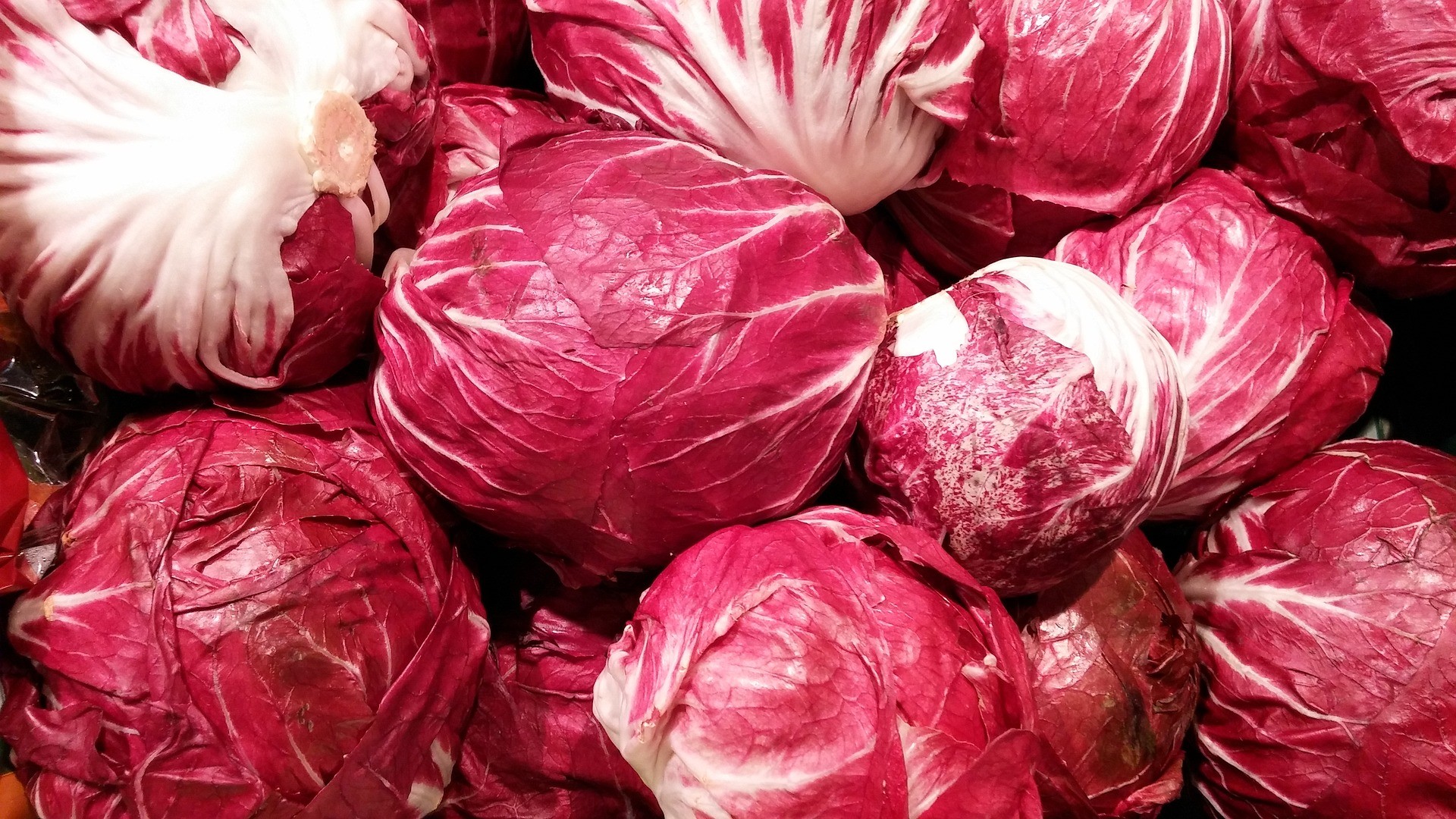
Radicchio is a leafy vegetable, red or green, with overlapping elongated leaves and a slightly bitter taste. There are three varieties: radicchio rosso di Treviso IGP has an elongated shape with narrow leaves and was once used as livestock feed; Radicchio Variegato di Castelfranco has yellow-green leaves covered with small reddish spots; the green radicchio also has an elongated shape with large green leaves. All three varieties can be used raw in salads or cooked in soups and stews and are great in first courses or risottos. Its unique flavor adds a delicious taste to any recipe.
Benefits and properties of radicchio
- Radicchio is rich in nutrients and is a great addition to any autumn menu. Its mineral content includes potassium, sodium, phosphorus, iron, magnesium, copper, calcium, and manganese. It has a high vitamin value that includes vitamins B1, also known as thiamine; B3, called niacin; B5, known as pantothenic acid; B6 or pyridoxine; and B9, the well-known folic acid. Radicchio is not only rich in B vitamins but also in vitamins C and K. It has a low calorie intake and adds fiber to the diet.
- For eye health, radicchio strengthens the retina because it contains a significant amount of phenolic flavonoid antioxidants including zeaxanthin and lutein. Although low in vitamin A, these compounds protect the eye by filtering harmful ultraviolet rays. It also helps reduce the risk of developing macular degeneration.
- Radicchio helps control weight gain due to its low calorie content and because it provides a feeling of fullness when eaten. It also regulates blood pressure, lowering systolic pressure in the arteries due to the presence of phytochemicals lycopene, ellagic acid, and quercetin. The potassium content relaxes blood vessels, reducing the risk of hypertension.
- For its benefits to the circulatory system, radicchio contributes to brain health. The neurological benefit of potassium, folic acid, and other antioxidants increases blood flow to the brain. It has been found that the results increase neural activity, improve concentration, and enhance cognitive thinking.
- Radicchio is great for the digestive system. Its high fiber acts as a colon cleanser. It also removes intestinal worms and parasites. Another advantage of the vegetable is its anti-cancer properties. Antioxidants present in organic radicchio have been shown to be effective in reducing the risk of liver cancer.