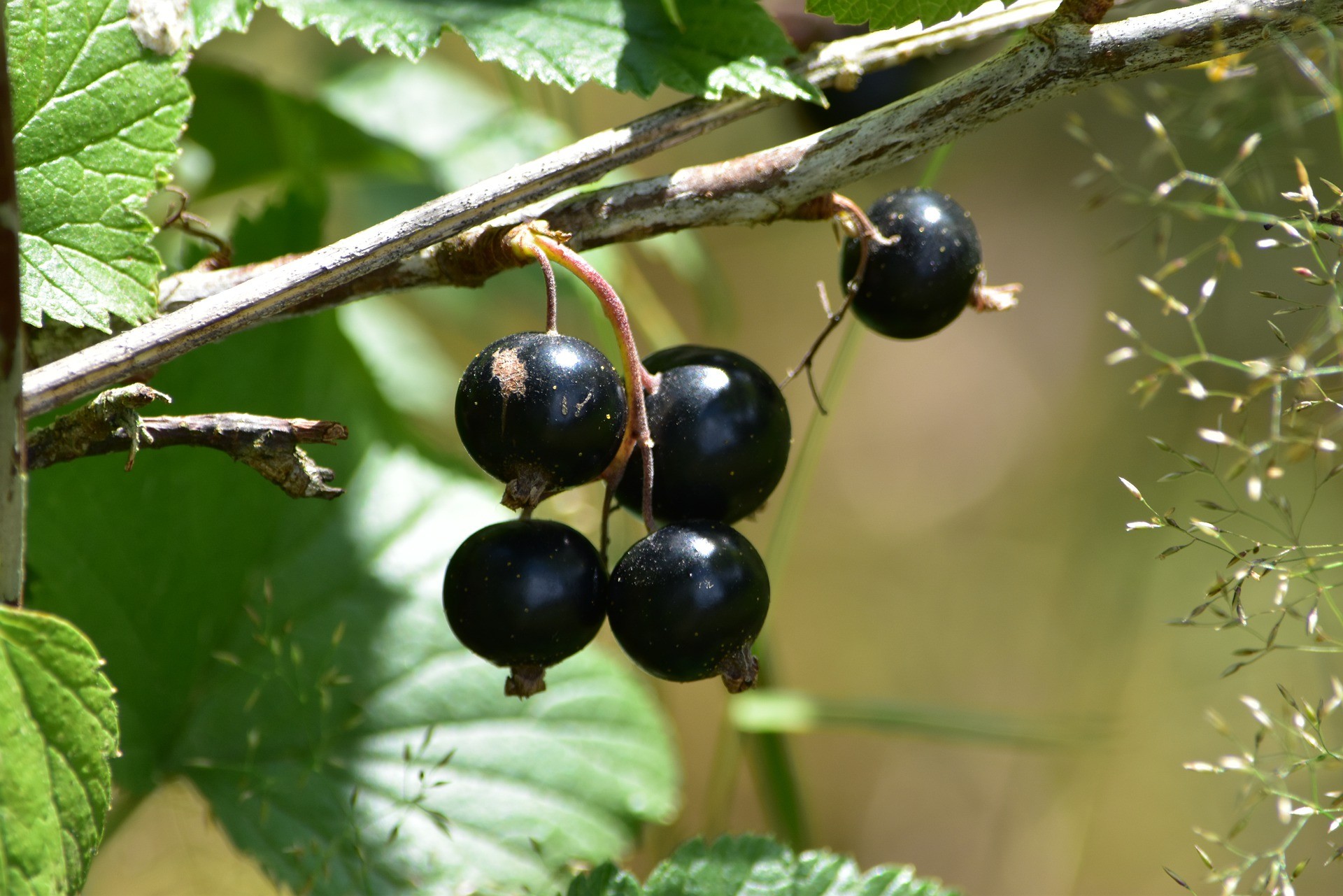
Blackcurrant is a member of the family of Grossulariaceae, commonly known as the currant family of the genus Ribes L. or ribes P which contains sixty-five species, five of which are: American blackcurrant, northern blackcurrant, western blackcurrant, final blackcurrant, and European blackcurrant.
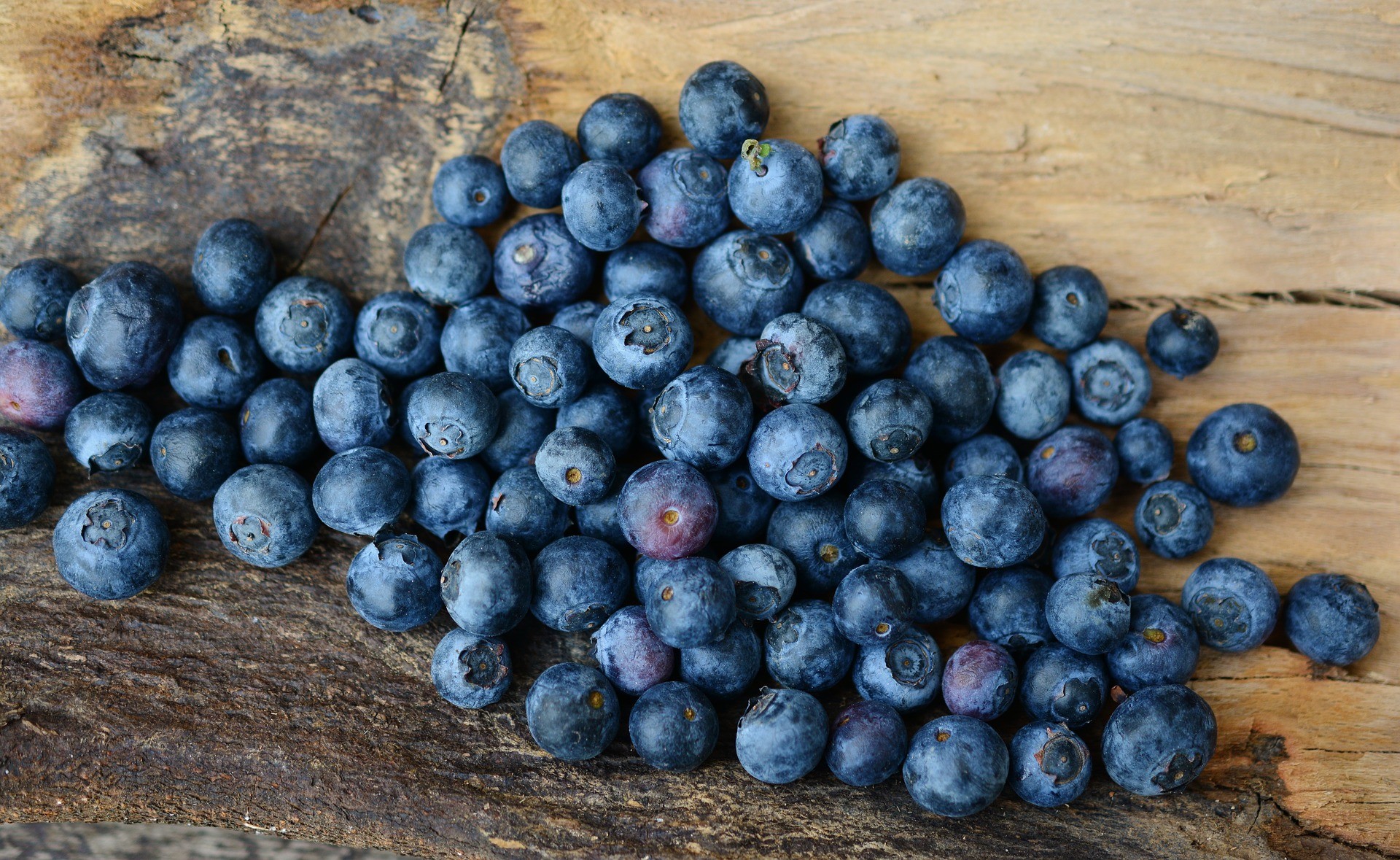
Blackcurrant grows on shrubs that reach about two meters. The berries are a deep ink-blue color with a thick, shiny skin at maturity. The berry is juicy with pulp that has a soft, pulpy texture containing several edible seeds. They have a strong tannic and complex flavor that combines the taste of raspberries, blackberries, gooseberries, passion fruit, rose, and pine. Only ripe blackcurrant berries are sweet enough to eat fresh but are usually too sour and used for cooking.
Properties and benefits of blackcurrant
- Blackcurrant is rich in vitamin C. They also contain flavonoids, beta-carotene, lutein, and phenolic acid. Other vitamins found in the plant are vitamins A, B1 or thiamine, B5 also known as pantothenic acid, B6 or pyridoxine, and E. Not only does blackcurrant have four times the amount of vitamin C found in oranges, but it also has double the amount of antioxidants found in blueberries.
- Because blackcurrant is so rich in vitamin C, it can effectively help the body metabolize proteins and form collagen resulting in healthy skin and slowing the effects of aging. They are also rich in antioxidants and anthocyanins which are an essential aid in maintaining a healthy immune system. As a result of these substances, blackcurrant soothes sore throat and reduces flu symptoms.
- Other health benefits of blackcurrant include fighting infections, reducing the risk of developing cancer e heart diseases and preventing inflammation.
- The plant also contains minerals such as iron, copper, calcium, phosphorus, manganese, magnesium, and potassium. With these essential minerals, blackcurrant is significant in the prevention of Alzheimer’s disease and other neurological diseases.
- They also reduce the incidence of arthritis, gout, liver disorders and female discomfort and are even used locally to heal wounds and soothe insect bites.
How to consume blackcurrant
Blackcurrant can be consumed raw as a snack or as an ingredient in salads, it is turned into jams, jellies, syrups, and liquors and accompanies savory meat dishes. Blackcurrant syrup can be used instead of maple syrup, especially for children who need more vitamin C. They can be used as an ingredient in ice creams, cakes, muffins, and tarts. Blackcurrant barbecue sauce is great with lamb ribs.