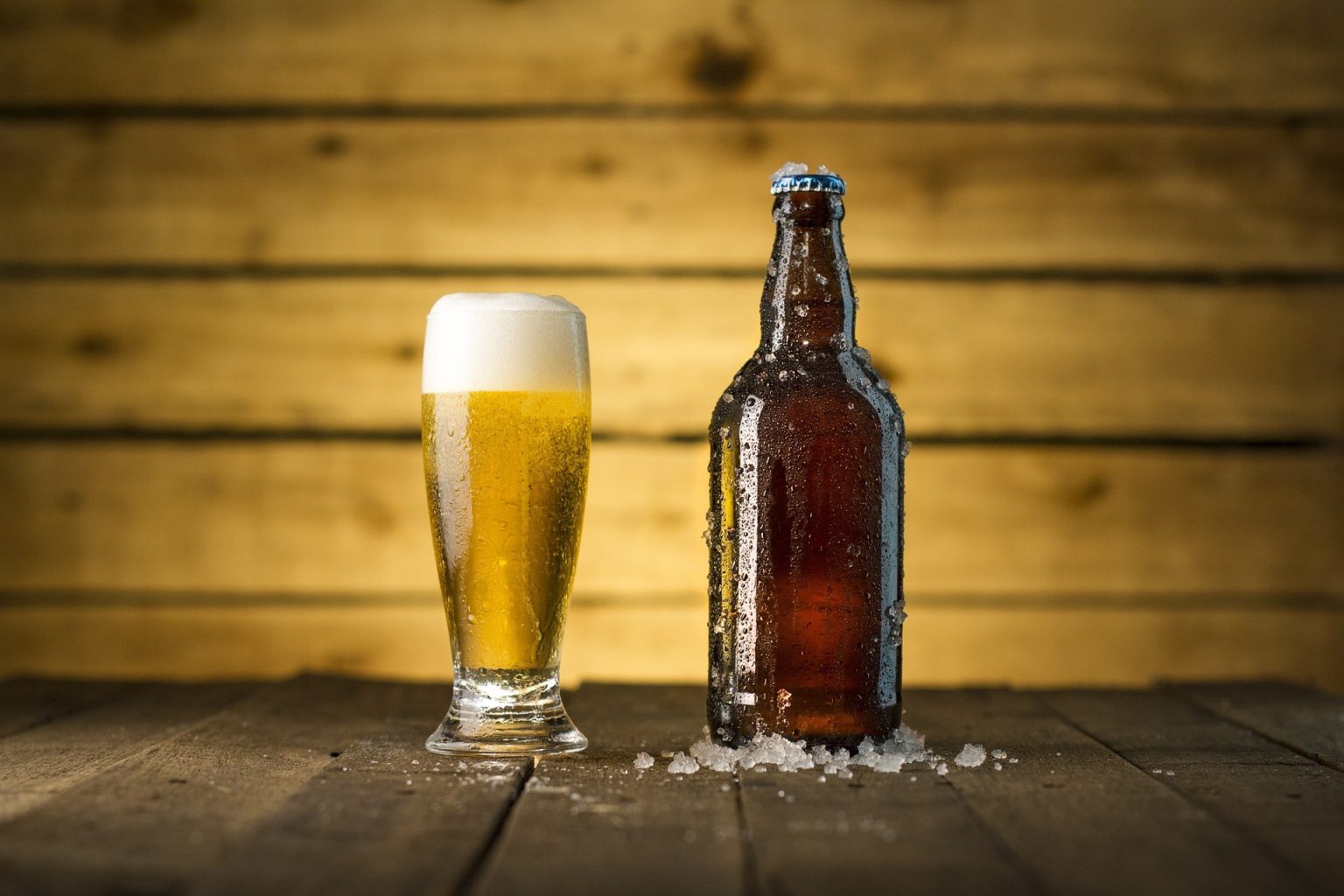
The craft beer has earned a prominent position in the world of beverages, attracting the attention of enthusiasts and curious minds. This unique product stands out for its superior quality, the result of careful processing and the use of selected ingredients such as malt, hops, and yeast. The growing popularity of microbreweries and Italian craft beers has led to a revolution in the sector, offering consumers a wide range of flavors and styles to explore.
In this article, we will guide you through the essential steps to recognize a true craft beer. We will explore the visual and organoleptic characteristics that distinguish it, delve into artisanal production methods, and provide useful tips to differentiate it from industrial imitations. Additionally, we will introduce you to the “Indipendente Artigianale” label and offer advice for making informed purchases. Whether you are a longtime enthusiast or a new admirer, this journey into the world of raw and unfiltered beer will help you fully appreciate the art and passion behind every bottle of craft beer.
Definition of craft beer
Legislative criteria
Italian law defines craft beer as a product of small independent breweries, with an annual production not exceeding 200,000 hectoliters. These breweries must be legally and economically autonomous, use separate facilities, and not operate under someone else’s license.
Production characteristics
Craft beer does not undergo pasteurization or microfiltration. It is produced in limited quantities, respecting natural fermentation times. Raw materials are carefully selected to ensure organoleptic and nutritional quality. Recipes may vary seasonally, influencing the final flavor.
Differences with industrial beer
Unlike industrial beer, craft beer does not use additives or substitutes to maximize yields. It is neither filtered nor pasteurized, maintaining a “live” beverage. Production is slower and in smaller quantities compared to industrial beer, which aims to standardize flavor and speed up production processes.

Visual and organoleptic aspects
Cloudy appearance
Craft beer often has a cloudy appearance due to the presence of suspended particles. This characteristic, once considered a flaw, is now appreciated in certain styles such as wheat beers and NEIPAs. The cloudiness can influence tactile and sensory perception but also adds a touch of mystery that increases the desire to drink.
Complex aroma
The aroma of craft beer is rich and varied. You can perceive citrus, floral, fruity, or spicy notes depending on the ingredients used. American and New Zealand hops, for example, provide tropical aromas such as pineapple and mango. Some styles may have balsamic or caramel scents, while others have liquor notes due to aging in wooden barrels.
Distinctive taste
The taste of craft beer is a balance between malt sweetness and hop bitterness. APAs, for example, offer a more intense profile compared to British IPAs. On the first sip, you notice a slight caramel sweetness, quickly contrasted by bitter and resinous notes. The complexity of the taste may include fruity, spicy, or herbal nuances, making each beer a unique experience.

Ingredients and raw materials
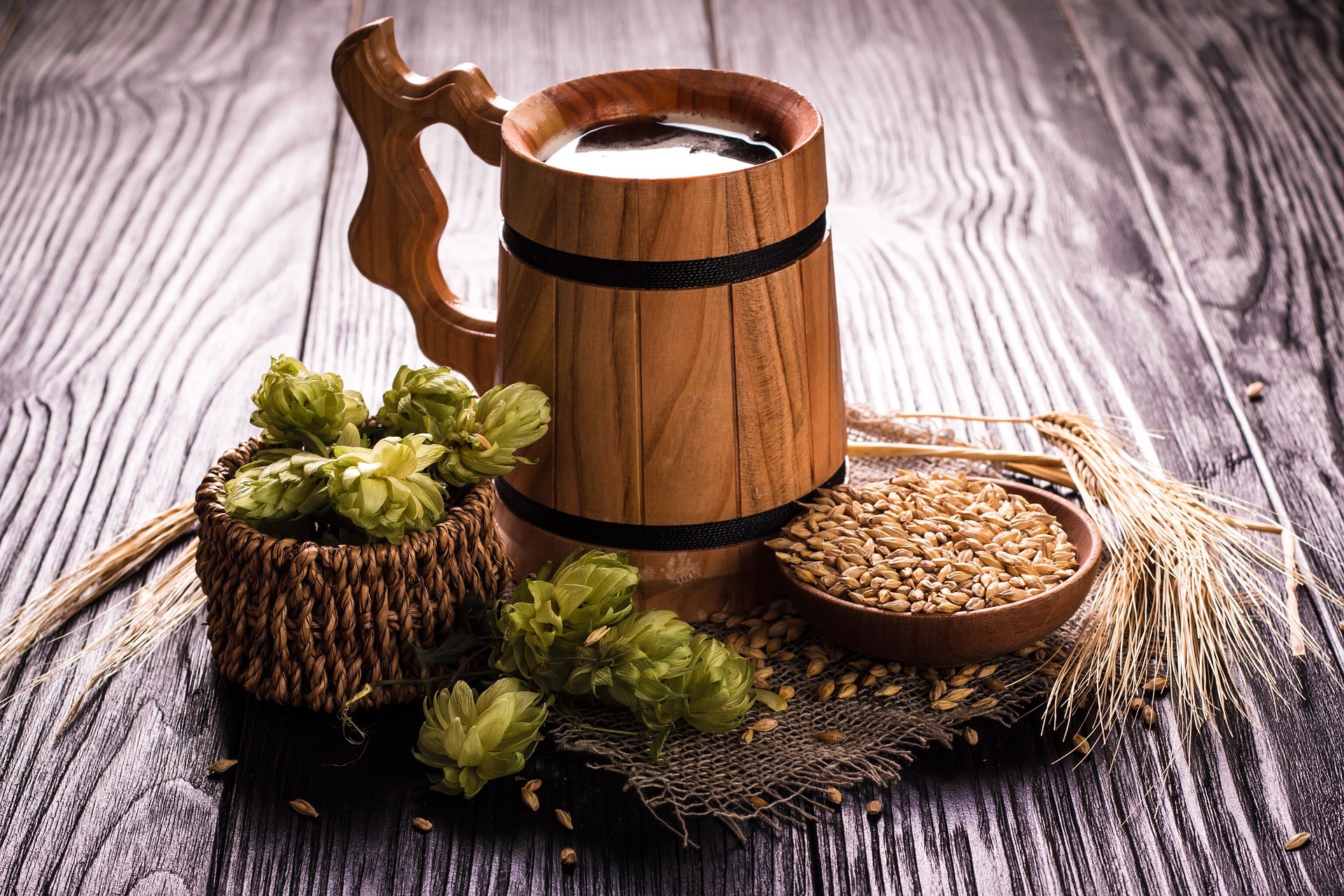
Craft beer is distinguished by the use of high-quality ingredients and the absence of chemical additives. Microbreweries carefully select malt, hops, yeast, and water, often favoring local products. This approach gives the beer a unique territorial identity, as in the case of beers that use cereals from the Val d’Orcia or local chestnuts. Many craft breweries emphasize the organic origin of ingredients or the use of fair trade products, ensuring healthfulness and environmental respect. The absence of preservatives and chemical additives is a plus that many microbreweries highlight on labels, offering a more natural and “green” product.
Artisanal production methods
Quality ingredients
The production of craft beer begins with the selection of high-quality ingredients. Microbreweries use carefully chosen malt, hops, yeast, and water, often favoring local and organic products. This approach gives the beer a unique territorial identity, as in the case of Cascina Motta, which exclusively uses raw materials grown and processed on-site.
Traditional techniques
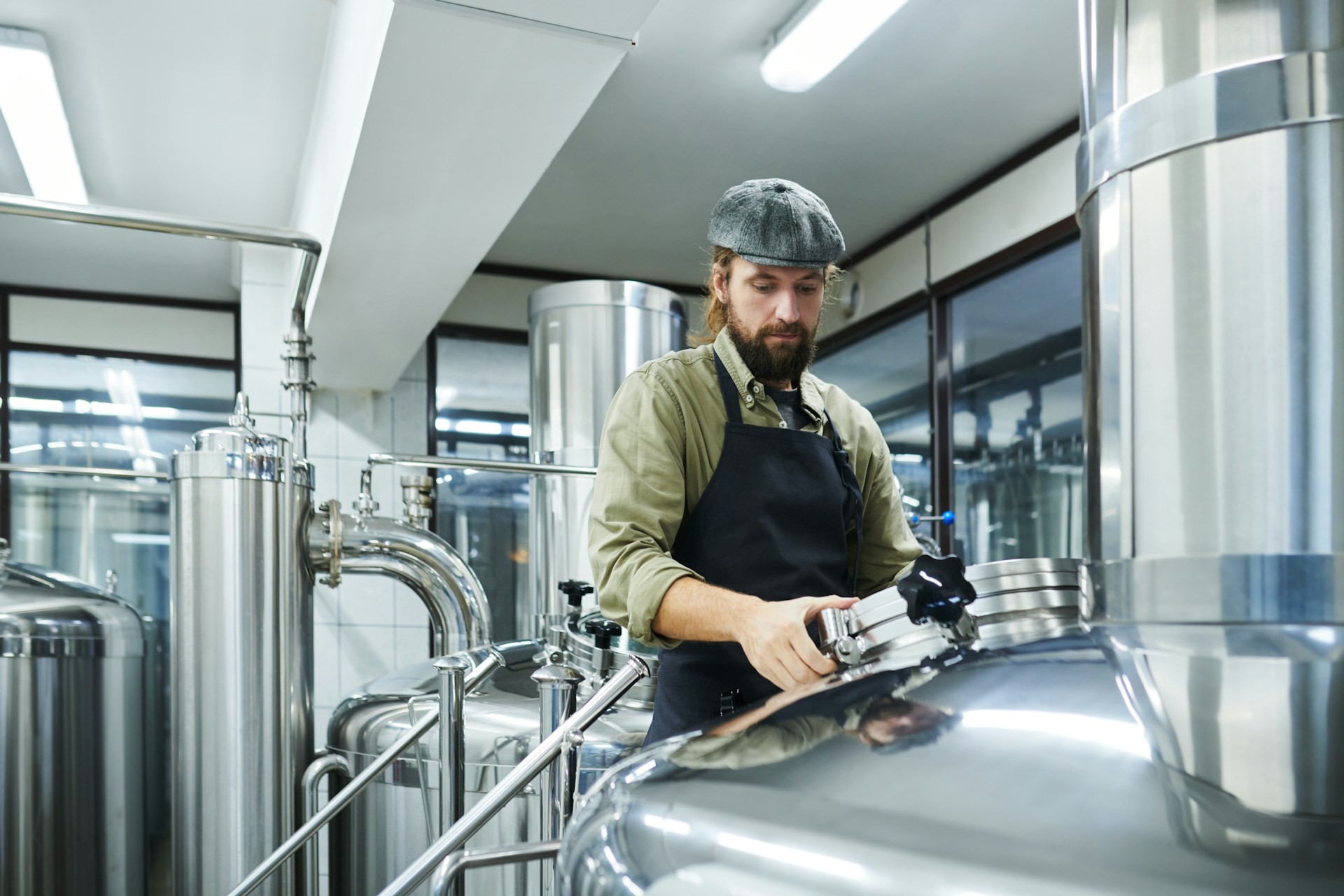
The artisanal production process follows traditional methods, respecting the natural fermentation times. The main stages include mashing, filtration, boiling with the addition of hops, cooling, and fermentation. Unlike industrial production, craft beer does not undergo pasteurization or microfiltration, preserving its organoleptic characteristics intact.
Creativity of the master brewer
The craft master brewer combines technical knowledge and creativity. His experience allows him to skillfully balance the ingredients, control fermentation, and experiment with new recipes. This creative freedom leads to the production of unique and innovative beers that reflect the brewer’s personality and local traditions.
How to distinguish it from industrial imitations
Label analysis
To recognize a true craft beer, start by examining the label. Look for the designation “craft beer” and verify that it is produced by an independent brewery with limited annual production. Check the ingredients: craft beer uses quality raw materials without additives. The label must clearly display the producer’s name, the production site, and nutritional information.
Producer verification
Gather information about the producing brewery. True artisans are often independent microbreweries with a well-defined history and philosophy. Look for information online or visit the brewery if possible. Producers like LOVERBEER, MISTER B BREWERY e Croce di Malto are examples of innovative and quality craft breweries.
Organoleptic evaluation
Observe the appearance of the beer: craft beer is often cloudy because it is unfiltered. To the nose, you will notice complex and distinctive aromas. On the palate, you perceive a balance between the sweetness of the malt and the bitterness of the hops, with unique nuances. Remember that craft beer can vary between batches, unlike standardized industrial beer.

The ‘Independent Craft’ mark
Meaning of the mark
The mark “Independent Craft – A Unionbirrai Guarantee” identifies independent craft breweries recognized by Unionbirrai. This symbol, visible on labels and in producer communications, does not certify product quality but attests to the brewery’s independence and the craftsmanship of the beer.
Requirements to obtain it
To obtain the mark, breweries must comply with the requirements of law 28 July 2016 no. 154. These include: non-pasteurized and non-microfiltered production, maximum production of 200,000 hl/year, and legal and economic independence. Unionbirrai verifies the compliance of member breweries before granting the use of the mark.
Benefits for the consumer
The mark helps consumers make informed choices, ensuring the beer is produced by an independent and craft brewery. This makes it easy to distinguish true craft beers from industrial imitations, promoting transparency in the market and enhancing product authenticity.

Tips for conscious purchasing
Reading the label
Check the sales denomination and the ABV (actual volumetric alcohol content) on the label. Check the production batch and minimum shelf life. Pay attention to the nominal volume and the presence of sulfites. The ingredient list, although not mandatory, is valuable information for a conscious purchase.
Producer verification
Learn about the producing brewery. Craft beers often come from independent microbreweries with a well-defined philosophy. Look for information about the production site, even if it is not always indicated. Local production and the use of raw materials from the area are signs of artisanal quality.
Price evaluation
Consider that craft beers have higher production costs compared to industrial ones. A higher price may reflect the use of quality ingredients and artisanal production methods. However, evaluate the quality-price ratio and compare with similar products to make an informed choice.
In short
Craft beer has carved out a special place in the world of beverages, offering a wide range of unique and high-quality flavors. Recognizing it requires attention to detail, from reading the label to analyzing visual and organoleptic characteristics. The “Indipendente Artigianale” mark is a valuable aid for consumers, guaranteeing the authenticity and independence of producers. The growing popularity of these beers has a significant impact on the sector, pushing towards greater diversity and quality.
In conclusion, choosing a craft beer goes beyond simply purchasing a beverage. It is a way to support small local producers, experiment with new flavors, and appreciate the art of beer production. With the information provided in this article, consumers are now better equipped to make informed choices and fully enjoy the experience offered by craft beers. This journey into the world of raw and unfiltered beer opens the way to new discoveries and pleasures for beer enthusiasts.

FAQ
1. How can you recognize a craft beer?
To identify a beer as craft, it is essential to check the product label. If you find the term “craft beer,” you can be sure of its authenticity. This is because there is an official definition of craft beer established by Italian law in recent years.
2. What are the criteria to determine the quality of a beer?
The quality of a beer can be evaluated through various aspects such as fermentation, pasteurization, and hopping. To ensure choosing a high-quality beer, it is advisable to consult reliable and specialized sources, like the Abervinuum website.
3. What distinguishes a craft beer from others?
A craft beer stands out for the freshness of the ingredients used and the absence of industrial treatments, which give it a rich and genuine flavor. This type of beer varies significantly from one to another, making it particularly appreciated by both experts and beginners looking for new tastes.
4. What are the main stages of beer production?
Beer production includes several crucial phases:
- Malt grinding
- Mashing
- Filtration
- Whirlpool
- Yeast addition
- Fermentation
- Maturation or secondary fermentation
- Kegging and bottling
These phases are essential to obtain the desired final product.