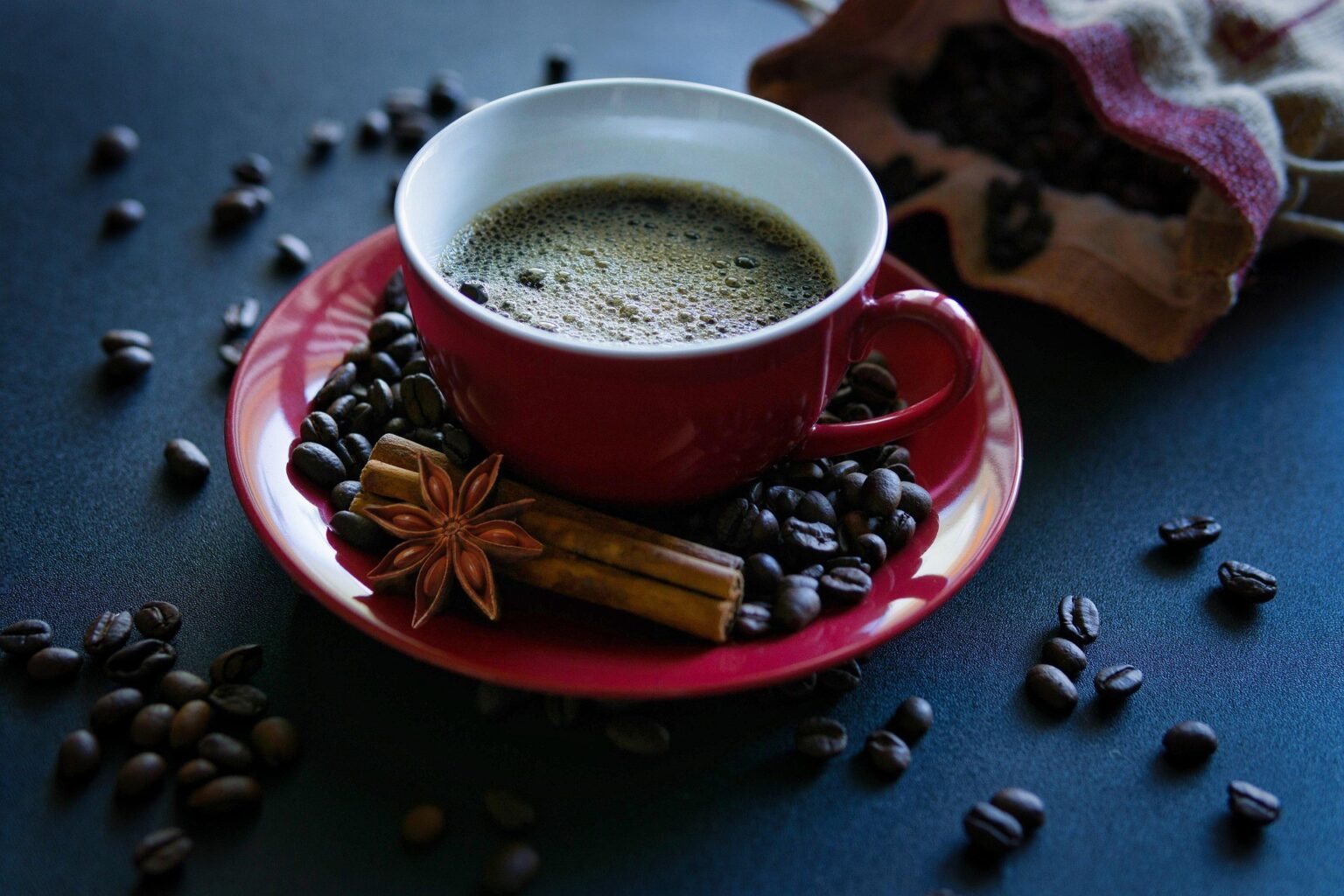

Coffee seems like a simple drink: a small cup, an intense aroma, a few sips, and a ritual that accompanies millions of people every day. Yet, behind that daily gesture lies one of the most complex foods from an aromatic point of view.It is often said that coffee can have over 800 different aromas. The figure is striking, but it must be properly understood: it does not mean that in every cup you can perceive hundreds of distinct aromas all at once. Rather, it means that in coffee, many aromatic compounds have been identified that contribute to its sensory profile.
Some remind us of chocolate, others of nuts, caramel, toasted bread, spices, citrus, flowers, honey, tobacco, or ripe fruit. Others can be less pleasant if the coffee has been poorly roasted, badly stored, or improperly prepared.
That’s why coffee is not just “bitter” or “strong.” It is a living beverage, made of aromas, balance, nuances, and chemical transformations that start in the plant, continue during processing, and reach the moment of extraction in the cup. If you want to navigate blends, origins, and preparation methods, you can also read the guide on how to choose the best coffee for your taste.
Why is it said that coffee has over 800 aromas?
Coffee is a very complex aromatic matrix. During the fruit’s growth, fermentation, drying, roasting, and final preparation, numerous molecules responsible for the scent we perceive develop. When we talk about over 800 aromas, we mainly refer to the volatile compounds identified in coffee. These are substances that evaporate easily and reach our nose, contributing to aroma perception.
The interesting thing is that coffee’s aroma does not come from a single substance but from a combination of elements. Some are present in minimal amounts but can greatly influence the final sensation. It’s a bit like a recipe: even an ingredient used in small doses can change the overall balance.
Aroma, taste, and flavor: they are not the same thing
When we say that a coffee “tastes like chocolate” or “reminds us of hazelnut,” we are often actually talking about aroma, not just taste. True taste is perceived by the tongue and includes sensations like sweet, bitter, sour, salty, and umami. Aroma, instead, is mainly perceived by the nose. Part of it comes directly when we smell the cup; another part arrives through the retronasal passage, meaning when we drink and aromatic molecules rise to the nose from the mouth.
The overall flavor of coffee is therefore born from the combination of taste, aroma, temperature, body, texture, and persistence. That is why two apparently similar coffees can taste very different.
Where do coffee’s aromas come from?
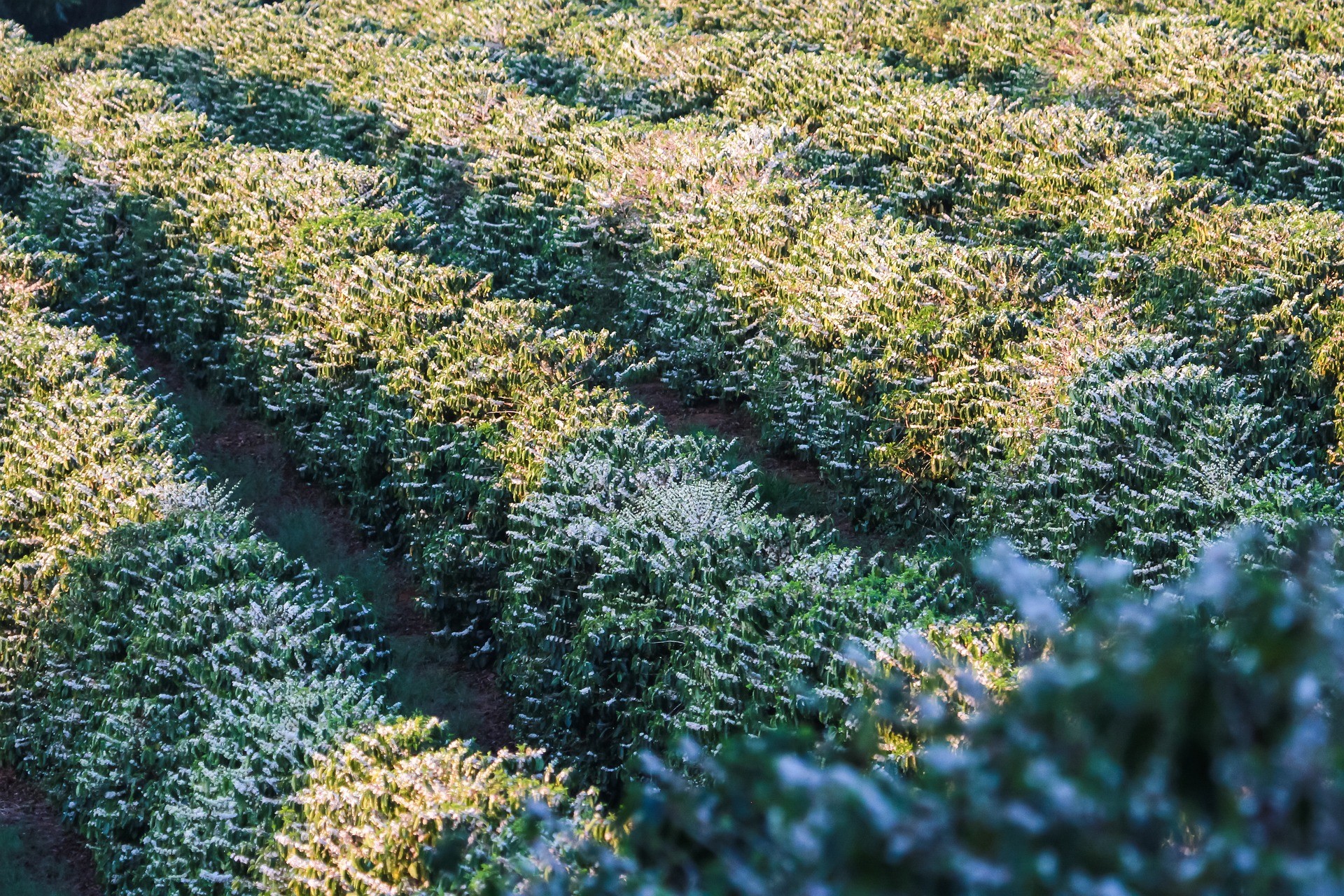
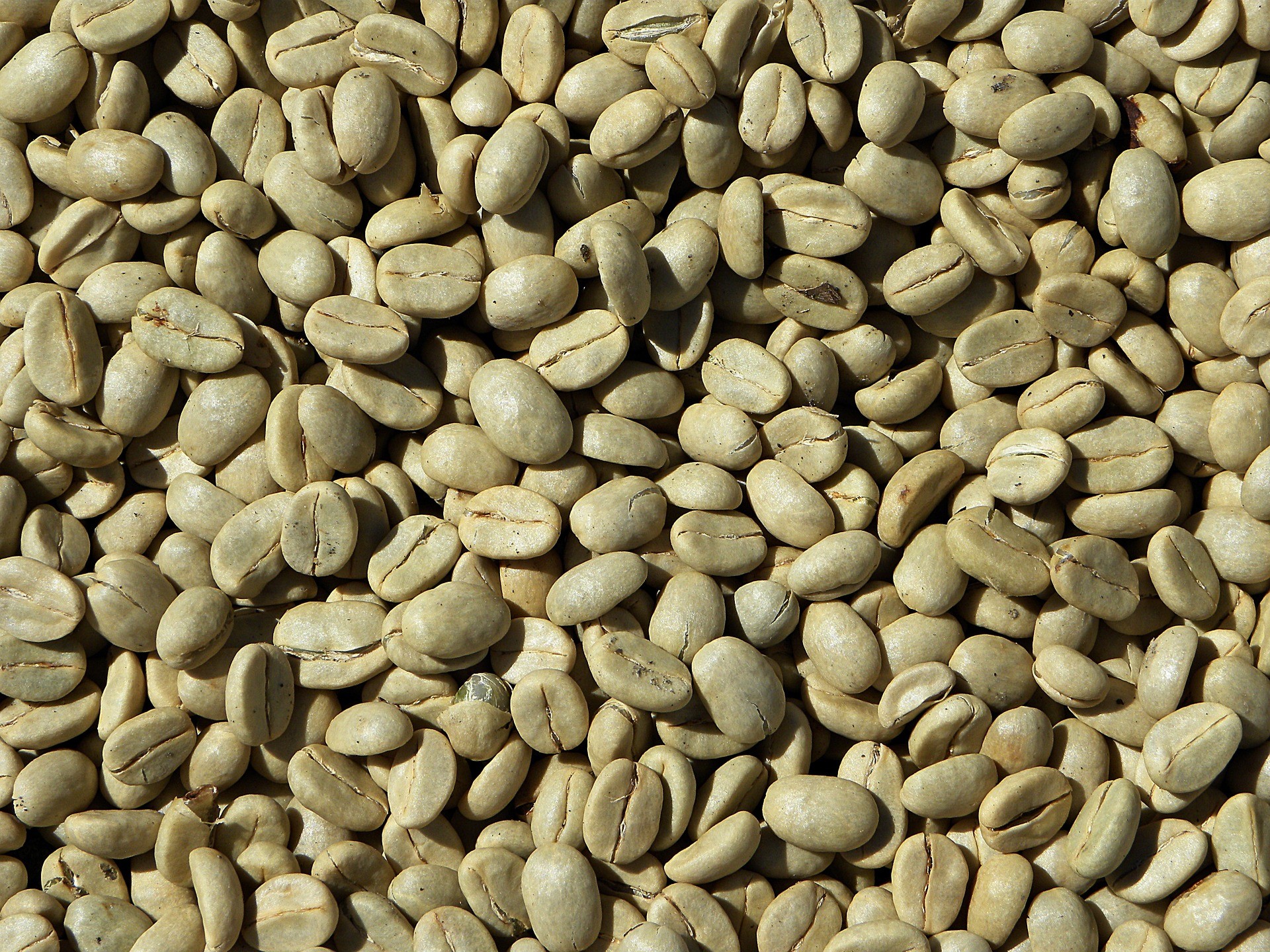
Coffee’s aromas do not all originate at the same moment. Some depend on the botanical variety, others on the territory, and others still on the bean processing and roasting. The coffee plant produces fruits called drupes, similar to small cherries. Inside each fruit are the seeds, which we know as coffee beans. Before turning brown and fragrant, however, the beans are green and have a very different smell from roasted coffee. The aromatic magic mainly happens during roasting. Heat transforms sugars, proteins, acids, and other substances present in the bean, generating a large quantity of aromatic compounds.
The role of roasting
Roasting is one of the decisive phases for aroma development. During this process, green beans are heated to high temperatures and change color, structure, weight, volume, and scent. A light roast tends to better preserve acidity and floral, fruity, and citrus notes. A medium roast can develop balance, sweetness, hints of honey, caramel, nuts, and chocolate. A dark roast brings more intense, roasted, bitter, spicy, or smoky aromas. However, if roasting is excessive, many fine aromas are lost. Coffee can become flat, burnt, or overly bitter. In that case, the original complexity of the bean is no longer perceived, but mainly the strength of the roast.
The Maillard reaction in coffee
During roasting, the Maillard reaction occurs, a chemical transformation involving sugars and proteins. It’s the same family of reactions that makes freshly baked bread fragrant, pizza crust golden, or the aroma of a toasted food more intense. In coffee, the Maillard reaction contributes to creating notes of caramel, biscuit, cocoa, nuts, toasted bread, and malt. It’s one of the reasons why the scent of roasted coffee is so recognizable and enveloping. Not all roasts, however, highlight the same notes. Time, temperature, and roasting curve can profoundly alter the final result.
Arabica and Robusta: the aromatic profile also changes
Not all coffees have the same aromatic complexity. The two best-known species are Arabica and Robusta, but within them exist many varieties, origins, and production styles. Arabica is often associated with finer profiles, with more elegant acidity and aromas that can remind us of flowers, fruit, citrus, honey, chocolate, or nuts. Robusta, on the other hand, tends to have more body, more caffeine, greater intensity, and more bitter, earthy, woody, or spicy notes.
This doesn’t mean one is always better than the other. Much depends on the bean quality, processing, and final use. To deepen the differences between the two species, you can also read the article dedicated to Arabica and Robusta and coffee quality. In many Italian blends, for example, Robusta is used to give body, crema, and intensity to espresso, while Arabica often contributes to making the profile more aromatic and complex.
Coffee origin influences aromas
As with wine, coffee is influenced by the place where it is grown. Altitude, climate, soil, exposure, rainfall, and biodiversity affect the ripening of the drupes and the bean’s profile. A coffee grown at high altitude can develop greater acidity and complexity. Some origins are known for more floral and citrusy profiles, others for notes of cocoa, spices, nuts, or tropical fruit.
However, the country of origin alone is not enough. Even within the same region, coffees can be very different. Variety, harvest, processing, bean selection, and roasting all matter.
Processing method changes coffee aroma
After harvesting, the beans need to be separated from the fruit pulp. This phase can be done using different methods, and each method influences the final aromas. In the washed method, the pulp is removed and the beans are fermented and washed. The result tends to be cleaner, fresher, and more defined, with more evident acidity.
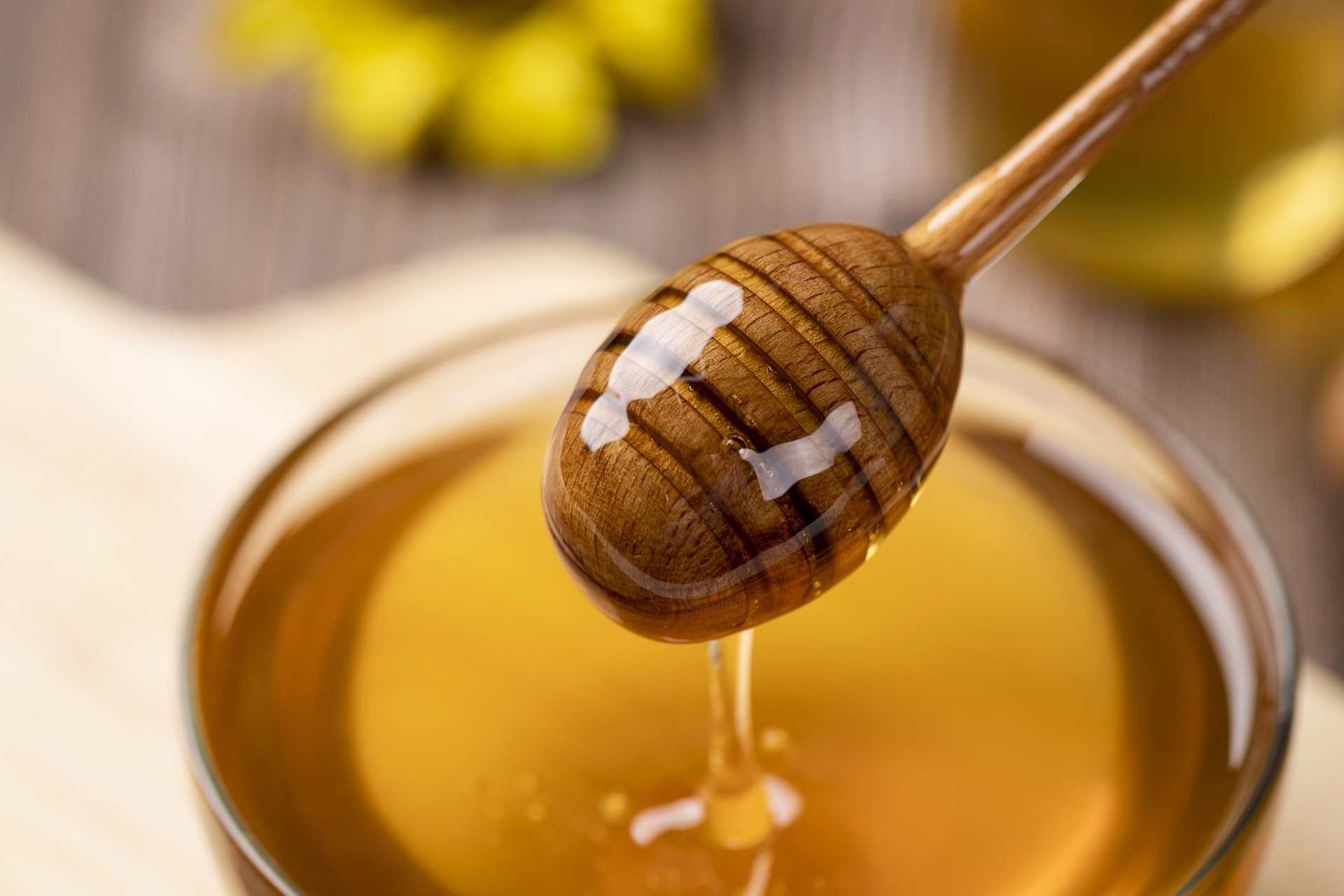
In the natural method, instead, the drupes dry whole with the pulp still around the bean. This can give coffees that are sweeter, more intense, and fruity, with notes reminiscent of ripe fruit, light fermentations, or wine. There are also intermediate processing methods, such as honey and semi-washed, which can create complex, soft, and particularly interesting aromatic profiles.
Why does freshly ground coffee smell stronger?
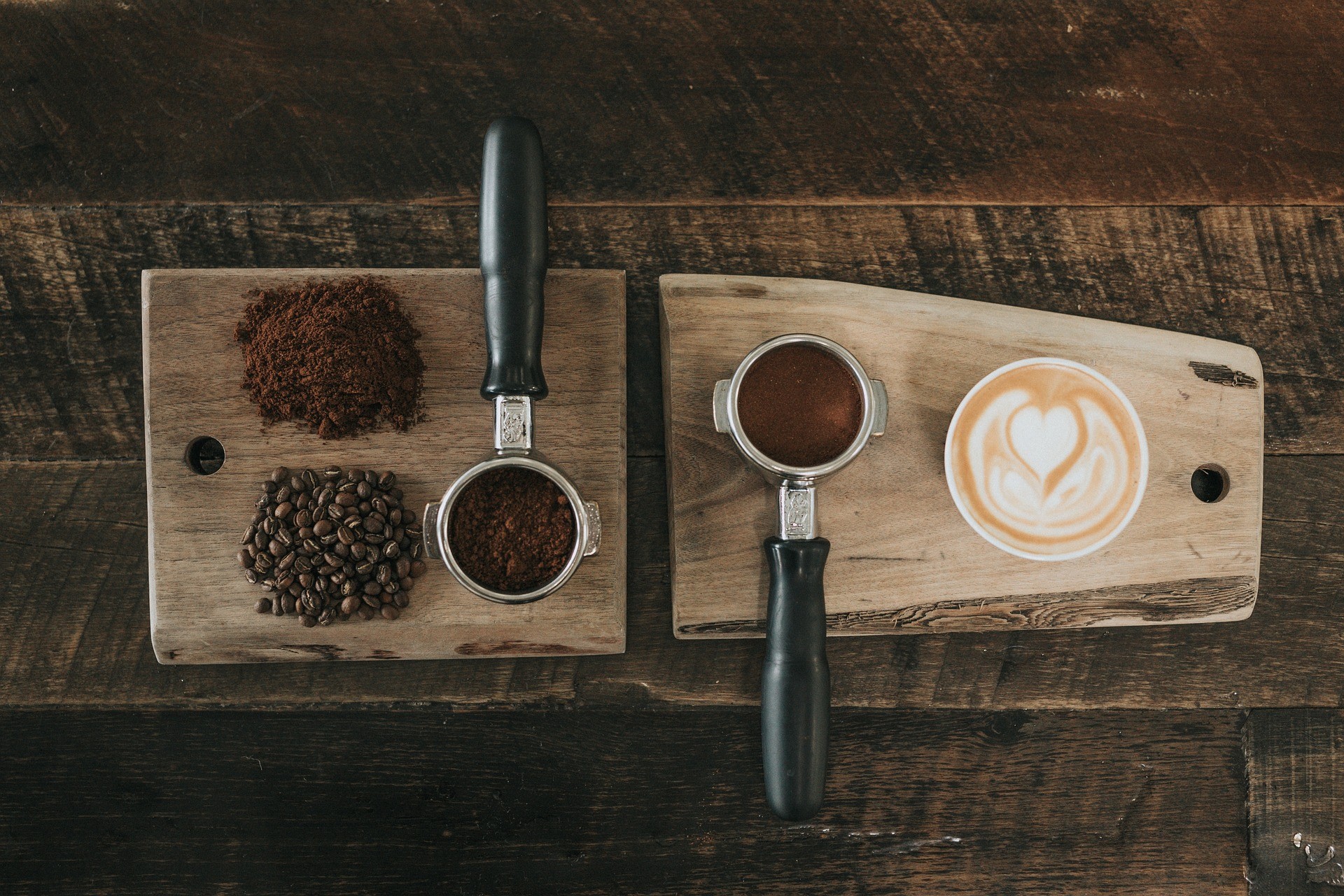
Freshly ground coffee releases more aroma because grinding breaks the bean’s structure and quickly frees many aromatic molecules. It’s a very intense but also fragile moment. Once ground, coffee loses aroma more quickly. Oxygen, light, moisture, and heat can degrade the more delicate compounds. For this reason, coffee ground days earlier is often less expressive than coffee ground just before brewing.
Storage is therefore fundamental. It’s better to keep coffee in a well-closed container, away from heat sources and strong odors, because coffee easily absorbs aromas from the environment.

The preparation method also alters the aromas
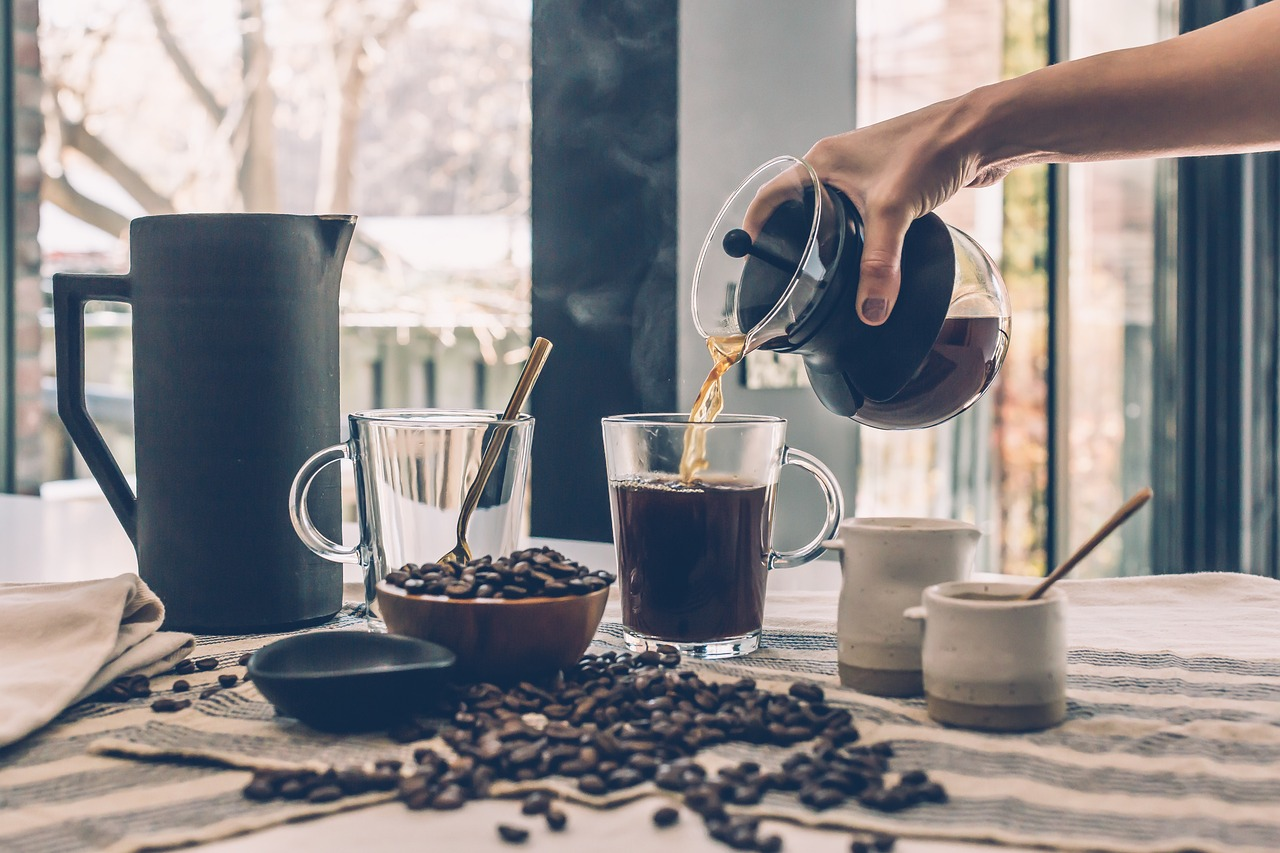
The same blend can change significantly depending on the preparation method. Espresso, moka, filter, French press, and cold brew do not extract the same substances in the same way. Espresso is concentrated, intense, short, with a marked body and crema. The moka produces a familiar drink, longer than espresso but still rich. Filter coffee often highlights finer aromas and a cleaner taste. French press delivers more body and a fuller sensation. Cold brew, prepared cold, tends to be smoother and less acidic. Water temperature, contact time, grind size, and water-to-coffee ratio can radically change the result.
Why does coffee sometimes taste just bitter?
Many people associate coffee almost exclusively with bitterness. This is partly normal, as bitterness is part of its natural profile. However, when it dominates completely, it can hide a quality, roasting, or preparation issue. Over-roasted coffee can taste burnt and lack complexity. Incorrect grinding can cause unbalanced extractions. Too hot water, a dirty machine, or excessive extraction time can accentuate unpleasant bitter notes. When coffee is properly processed and prepared, bitterness should be balanced with acidity, sweetness, body, and aromas. It shouldn’t overshadow everything else.
What aromas can be found in coffee?
Coffee aromas can be grouped into broad sensory families. Some are easier to recognize, others require training and attention.
- Floral notes: jasmine, white flowers, rose, honey.
- Fruity notes: citrus, apple, peach, red fruits, tropical fruit.
- Sweet notes: caramel, honey, brown sugar, vanilla.
- Dried fruit notes: hazelnut, almond, walnut.
- Toasted notes: toasted bread, biscuit, cocoa, chocolate.
- Spicy notes: cinnamon, cloves, pepper, sweet tobacco.
- Herbaceous or vegetal notes: fresh grass, green tea, dry leaves.
Not all these notes are present in every coffee. The beauty of tasting lies precisely in recognizing which emerge in that specific cup.
Does coffee really have more aromas than wine?
It is often said that coffee is one of the most complex beverages in the world from an aromatic point of view. Wine also has enormous richness, but roasted coffee develops a particularly high amount of volatile compounds. However, the comparison shouldn’t become a competition. Wine and coffee are two different worlds: wine comes from alcoholic fermentation and tells of the grape variety, vintage, territory, and aging; coffee tells of variety, origin, processing, roasting, and extraction. In both cases, the nose is essential. Those who learn to smell better, drink better.

How to train yourself to recognize coffee aromas
You don’t need to be a professional taster to start recognizing coffee aromas. Just taste more attentively and stop drinking the cup automatically. Before drinking, smell the coffee. Ask yourself if the scent is sweet, toasted, fruity, spicy, floral, or smoky. Then taste slowly, trying to distinguish acidity, bitterness, body, and persistence.
It can be useful to compare two different coffees at the same time: one lighter and one darker, one Arabica and one with Robusta, one prepared with moka and one with filter. Comparison makes it easier to notice the differences.
Why this curiosity changes the way you drink coffee
Knowing that coffee can contain hundreds of aromas changes the perspective. It is no longer just a functional drink to wake up but a complex food, tied to cultivation, processing, technique, and culture. Every cup is the result of a long supply chain: those who cultivate, harvest, process, roast, grind, and prepare. A single wrong step can lose part of the bean’s aromatic richness.
For this reason, it’s worth drinking coffee more attentively. Not to turn a daily ritual into something complicated, but to discover that even a simple gesture can tell a lot.

Conclusion
Coffee can have over 800 different aromas because it is an extremely complex beverage, influenced by botanical variety, origin, processing, roasting, grinding, and preparation method. Not all these aromas are perceivable in every cup, but their potential presence explains why coffee can vary so much from one blend to another and from one extraction method to another.
Next time you drink coffee, try smelling it before tasting. You might discover notes of cocoa, hazelnut, citrus, flowers, spices, or caramel. And perhaps that daily cup will feel less ordinary.
Frequently Asked Questions
Does coffee really have over 800 aromas?
Hundreds of aromatic compounds have been identified in coffee, often cited as over 800. This doesn’t mean every cup contains or reveals all of them, but that coffee has great potential aromatic complexity.
What determines the aromas of coffee?
They depend on botanical variety, origin, climate, bean processing, roasting, grinding, storage, and preparation method. Each step can alter the final aroma profile.
Why does freshly ground coffee smell stronger?
Because grinding quickly releases many aromatic molecules contained in the bean. However, after grinding, aromas dissipate faster, especially when exposed to air, light, heat, and humidity.
What are the most common aromas in coffee?
Among the most common aromas are cocoa, chocolate, hazelnut, almond, caramel, toasted bread, citrus, red fruit, flowers, spices, and honey. Their presence varies depending on the coffee type and preparation.
Why are some coffees just bitter?
A coffee can taste only bitter if it has been over-roasted, poorly extracted, improperly stored, or prepared with unbalanced parameters. In a good coffee, bitterness should be balanced by aroma, sweetness, acidity, and body.