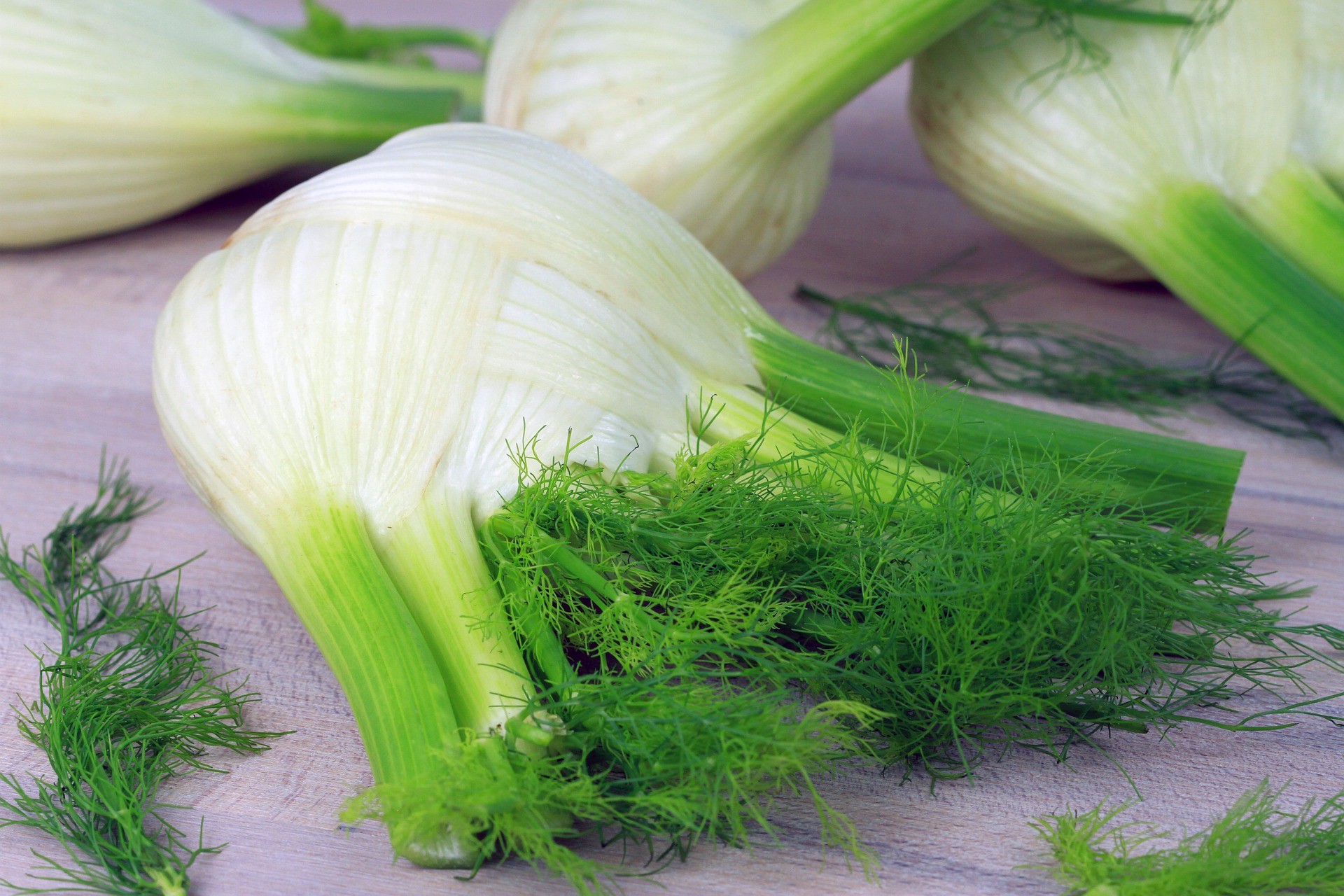
Fennel is a Mediterranean plant spread worldwide. It has a light bulb and long green stalks and can grow almost anywhere, and thanks to its properties, it is considered a superfood. All parts of the fennel plant are edible.
Benefits of fennel
Bone health
The vitamin and mineral content in fennel contributes to building and maintaining bone structure and strength. Vitamin K is also important as it modifies bone matrix proteins, improves calcium absorption, and may reduce calcium excretion in urine.
Heart health
The fiber, potassium, folate, vitamin C, vitamin B-6, and phytonutrients in fennel, along with its lack of cholesterol, promote heart health. Fennel also contains significant amounts of fiber, which lowers the risk of heart disease.
Cancer
Selenium is a mineral found in fennel but not in most other fruits and vegetables. It supports liver enzyme function and helps detoxify certain carcinogenic compounds in the body. Selenium may also prevent inflammation and reduce tumor growth rates.
Metabolism
Fennel is a source of vitamin B-6, which plays a key role in energy metabolism by breaking down carbohydrates and proteins into glucose and amino acids. These smaller compounds are more easily used to produce energy within the body.
Raw fennel is an excellent source of vitamin C. Vitamin C is essential for collagen, the skin’s support system, and acts as an antioxidant to help prevent damage caused by the sun, pollution, and smoking.