
To stay healthy, the body needs a continuous supply of substances it cannot produce on its own and must therefore obtain through food. Among the most important nutrients are zinc and biotin, a pair that works closely together to support cell renewal and the production of structural proteins, with clear effects on the strength and durability of nails and hair.
The body does not have reserves of these two elements, which means that a monotonous diet or a period of intense fatigue can quickly reduce their available levels; in these situations, considering the addition of specific hair supplements helps to fill the nutritional gap, ensuring the hair roots receive all the necessary nourishment to function smoothly.
The role of zinc in nutrition and keratin synthesis
Zinc plays a quiet but essential role in the body: it is involved in over 300 different enzymatic reactions linked to immune function, cell division, and protein processing. This ongoing biochemical activity immediately impacts hair, since the hair follicles are among the fastest dividing tissues in the entire body and require zinc constantly to produce keratin and ensure uniform shaft growth.
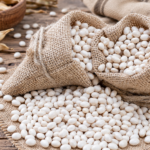
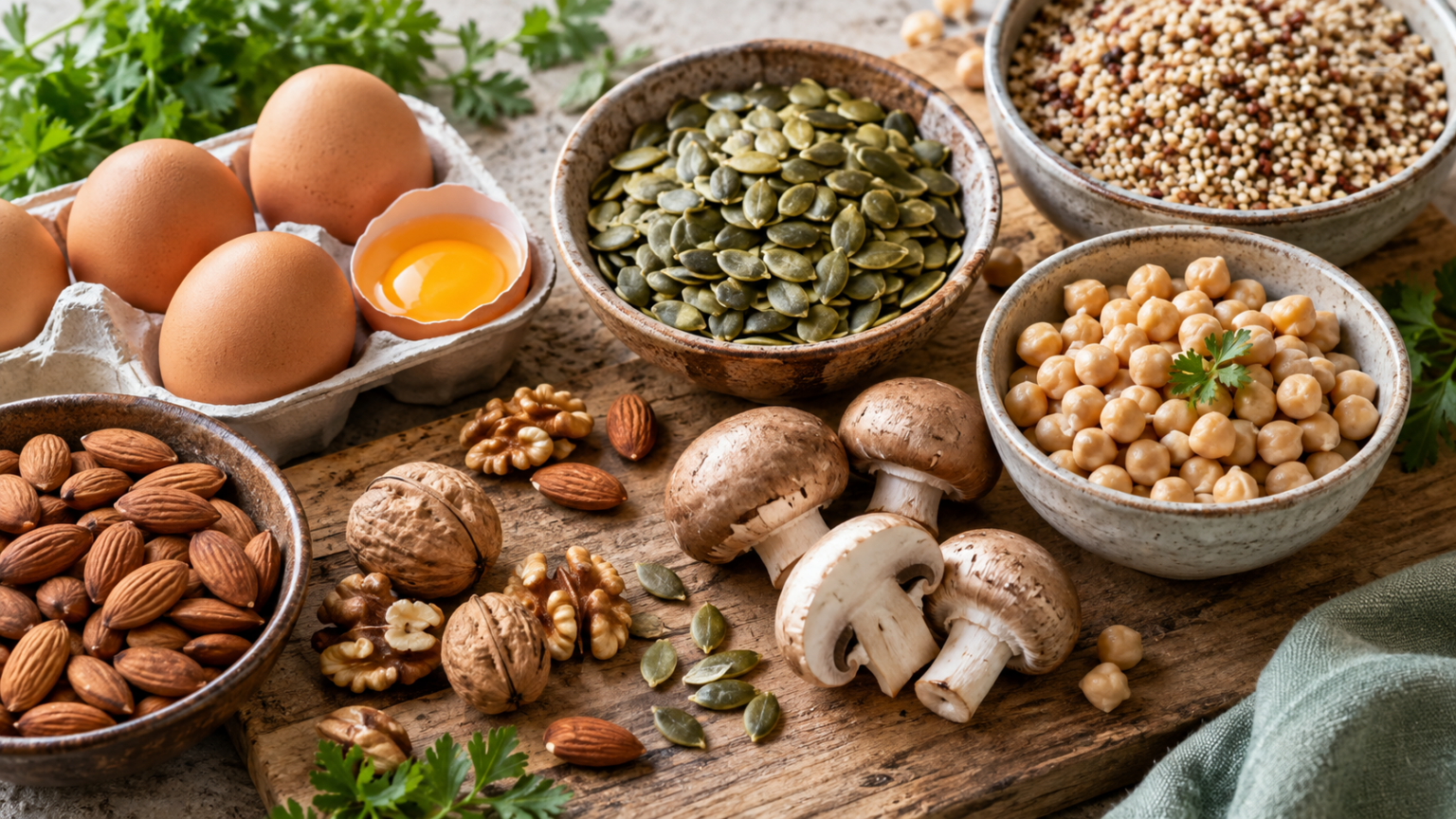
To include it regularly in meals, focus on seafood (oysters are very rich in it), lean cuts of beef, legumes like chickpeas and beans, or consume pumpkin seeds and tree nuts during meals or as snacks.
Food sources of biotin and follicle metabolism
Also known as vitamin B8 or vitamin H, biotin is a water-soluble B vitamin that converts carbohydrates, fats, and proteins into immediately usable energy.
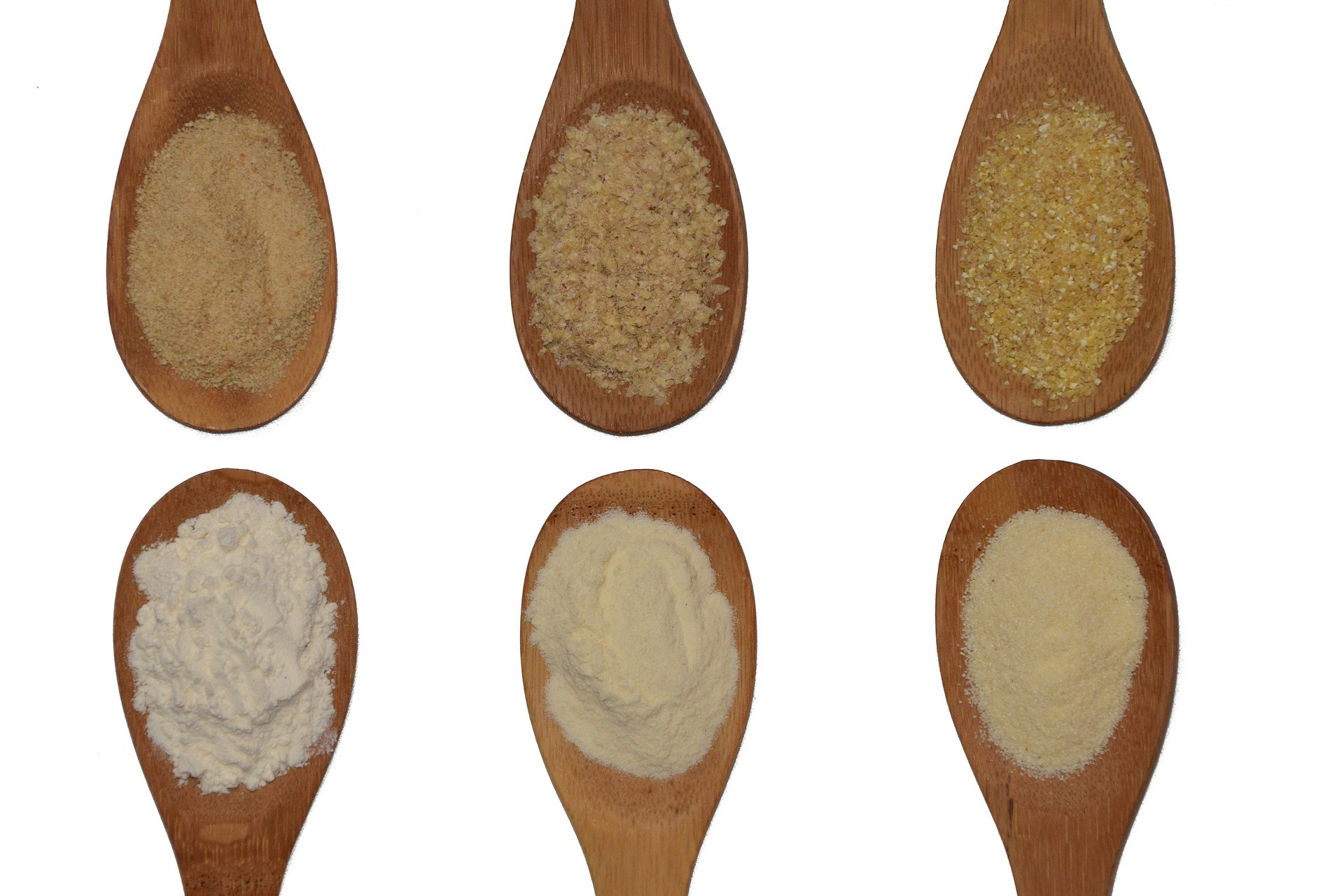
Biotin is easily obtained through the diet by consuming hard-boiled or well-cooked eggs, liver, fresh mushrooms, almonds, walnuts e whole grain flours; a portion is also produced independently by the intestinal bacterial flora, provided the intestine is healthy and not inflamed.
Nutrient bioavailability and table tips
The actual absorption of zinc and biotin depends not only on their presence in foods but also on how these foods are prepared and combined.
For example, phytic acid abundant in whole grains and raw legumes tends to bind and hinder zinc absorption in the intestine: proper prolonged soaking and adequate cooking deactivate most phytates, making the mineral fully bioavailable.
Regarding biotin, it is essential to consume eggs only after cooking the egg white, since avidin (a protein found in raw egg white) binds tightly to the vitamin, blocking its entry into the bloodstream.
When it might be helpful to consider supplementation
Although a varied and balanced diet is always the starting point for overall wellness, there are life phases where the intake or absorption of these elements slows down.
Sudden seasonal changes, prolonged periods of mental and physical fatigue, restrictive regimens or poorly balanced diets can deprive hair follicles of important nutrients, often manifesting as thinner shafts, dullness, or an increase in the normal hair shedding.
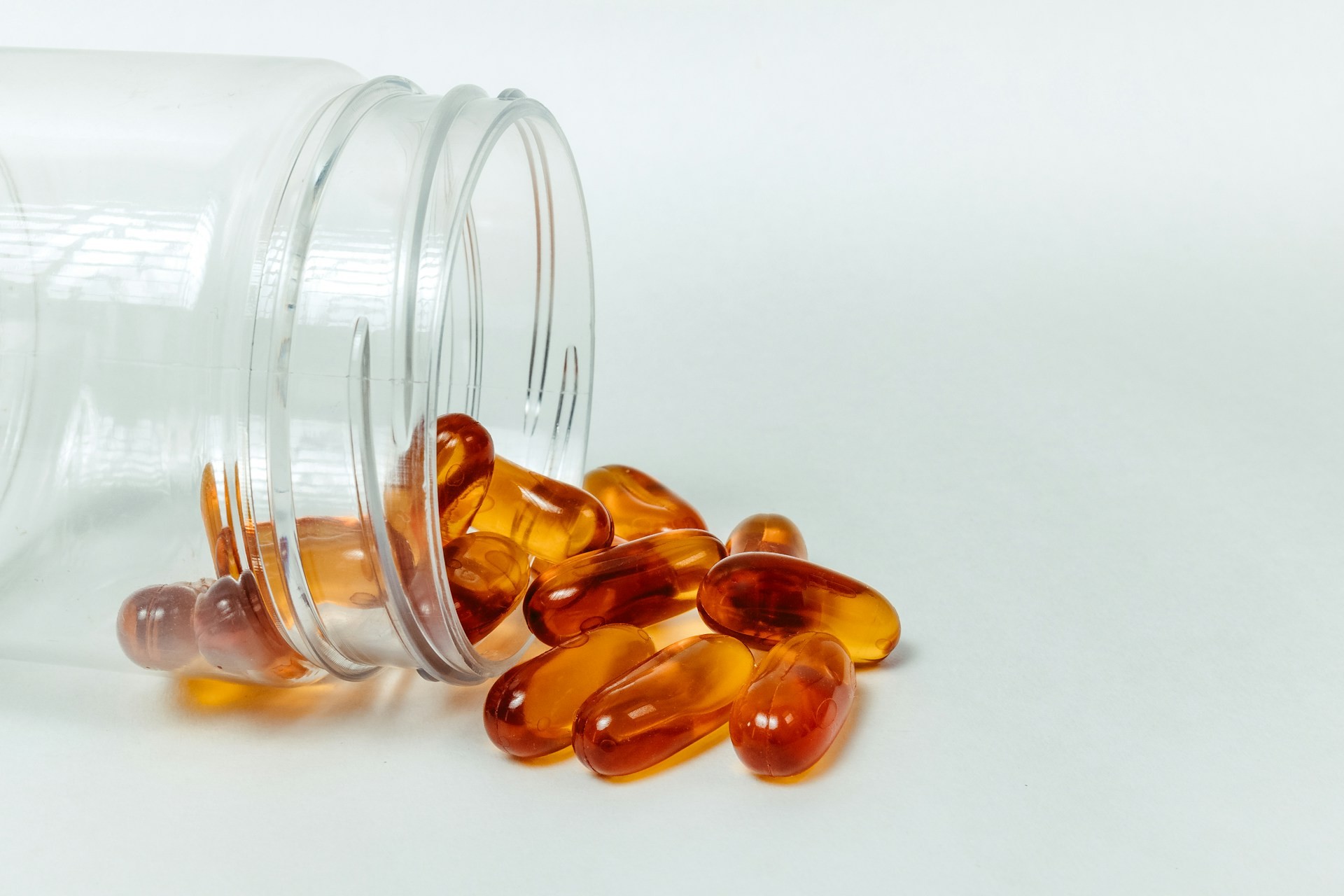
In these specific contexts, targeted dietary supplementation, always supervised by a general practitioner or specialist, allows for quickly restoring optimal concentrations of zinc and biotin, supporting a proper dietary routine and helping preserve the strength, density, and vitality of the hair in the long term.