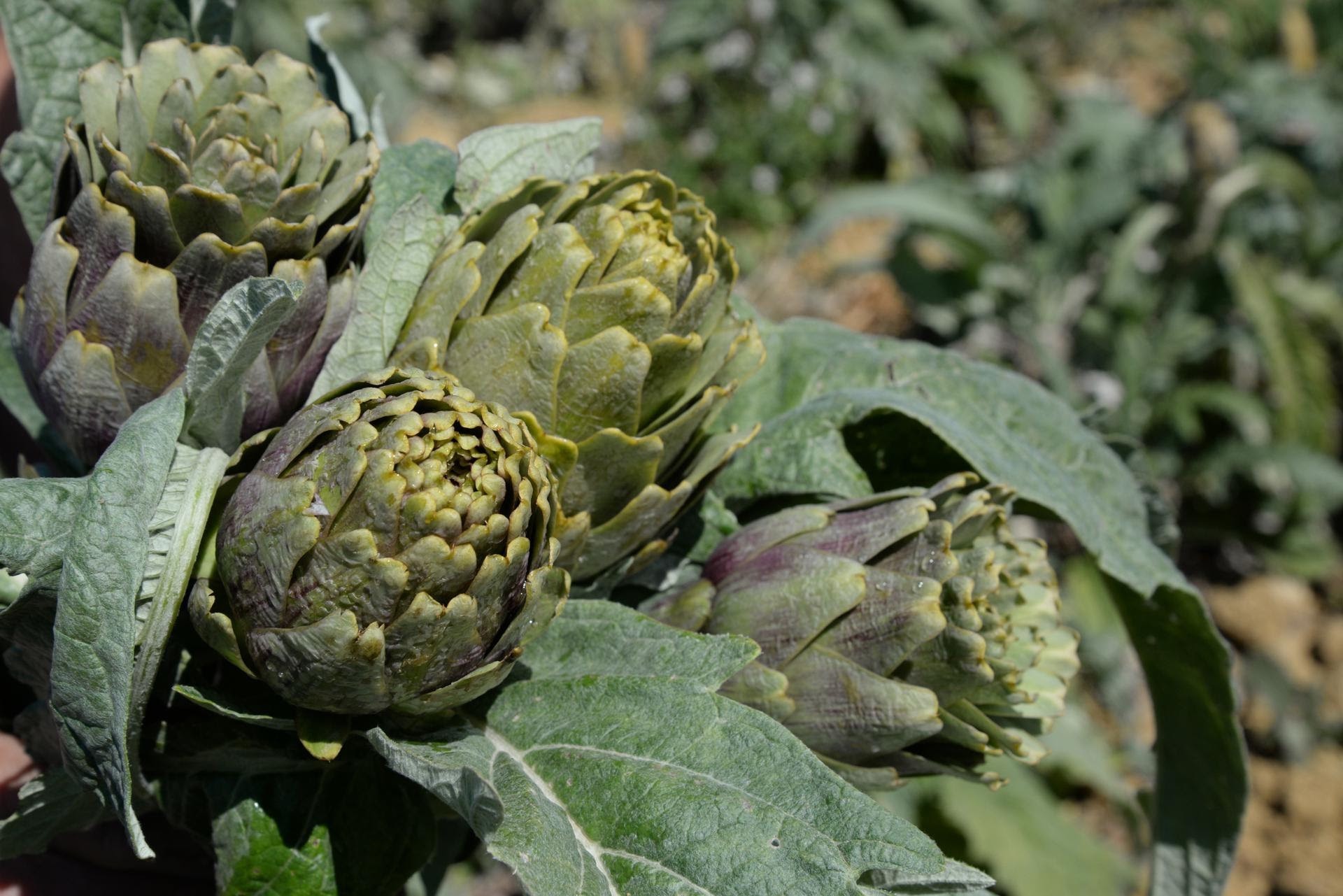

Niscemi, in Sicily, is known as the “capital of artichokes”: from today two producers will take care of relaunching the local traditional variety, the one that was already sold in the markets of Rome a century ago.
A good but delicate artichoke
The nostrale is an artichoke that has not had the commercial fortune of others, simply because it is delicate. When harvested it must be consumed within two or three days, otherwise its appearance tends to deteriorate. In terms of flavor, it remains excellent, assures the representative of the Slow Food Conduct, but it becomes less vigorous and firm, thus paying the price of competition that often also involves appearance. “It is like a flower that, once picked, withers in a few days. In short, it suffers this aesthetic preservation problem, but it does not affect the organoleptic qualities. Thus, due to the advancement of more resistant varieties, the nostrale almost disappeared.
A century ago the artichokes of Niscemi, the original ones, were even sold at the general markets of Rome. The artichokes traveled by train from Caltagirone, about twenty kilometers north of Niscemi, after being transported on muleback or in carts from the fields where they were cultivated.
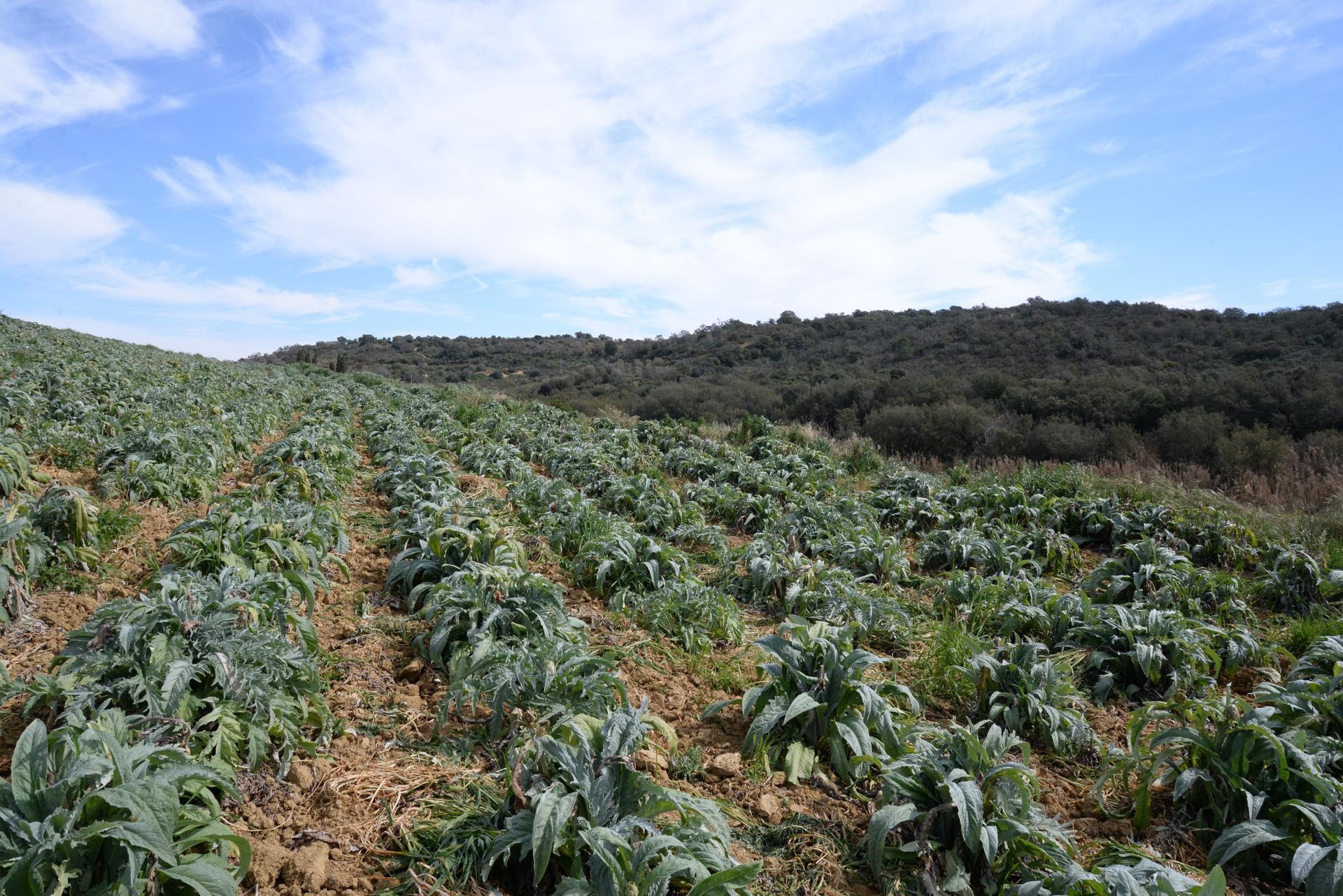
Characteristics of the nostrale artichoke of Niscemi
The artichoke of Niscemi, formerly nicknamed vagghiàrdu (“strong” in dialect) for the vigorous appearance of the plant, has no thorns; the heads have the shape of a chalice, the bracts, that is the “leaves”, are light green with violet shades. The heart of the artichoke is compact, with a delicate and sweet flavor, and the presence of pappus or “beard” is scarce, which is why the waste is very limited.
How to cook the artichoke of Niscemi
In the kitchen the artichoke of Niscemi can be eaten raw, in salad, or boiled and then dipped in a dressing of extra virgin olive oil, vinegar and chili pepper, or even in risottos, for example paired with mint. The traditional recipe, however, provides for eating the artichokes roasted: cooked over embers and then seasoned with oil and salt, possibly with the addition of pepper, garlic and parsley. A tradition handed down for decades: farmers used to eat roasted artichokes in the fields, cooking them on the charcoal produced by small fires lit to warm themselves on cold working mornings. Finally, the tradition of ‘a carciofina, the typical Sicilian preserve made from the hearts of the small artichokes of March and April, the latest ones, is widespread.
Slow Food Presidio
There are 350 Italian products protected through the Presidia project, they are found in all regions and involve about 2500 producers. During 2022 Slow Food will create more than 10 new Presidia further expanding its intervention in favor of biodiversity, because each product represents a territory and a community that identifies with it and supports it. Worldwide, Slow Food Presidia are over 620, in 79 countries.