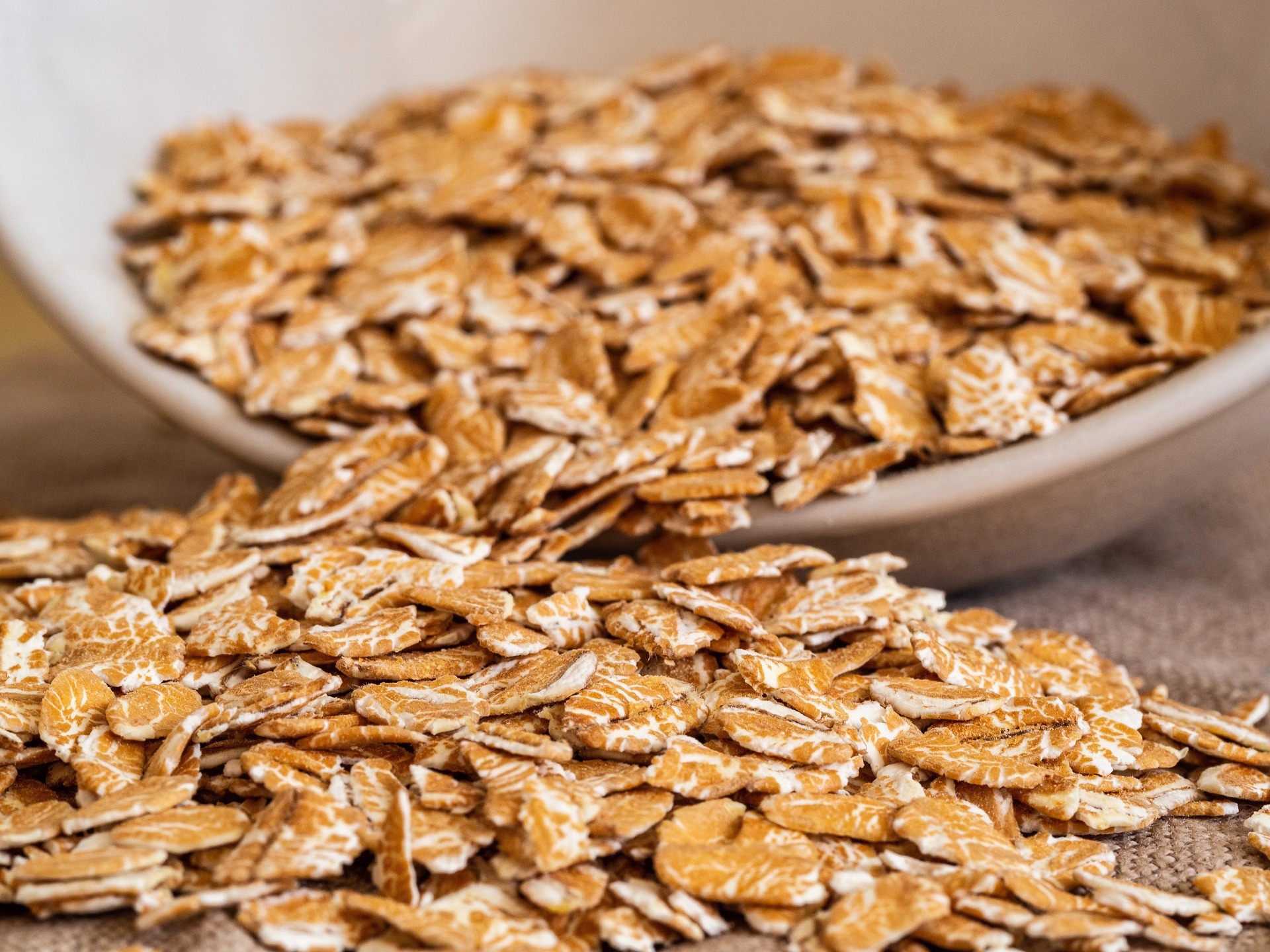

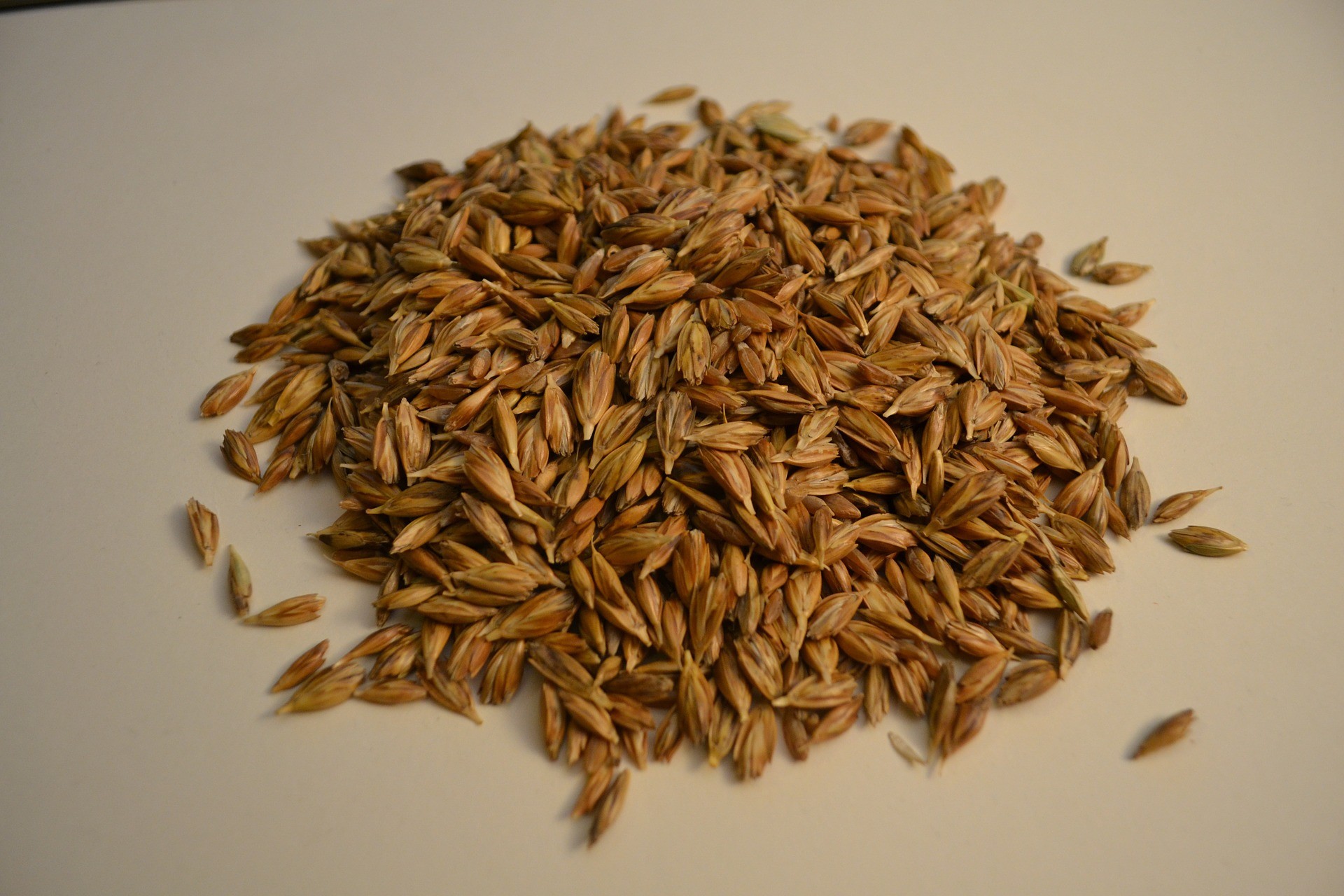
The farro is a type of wheat that has earned the status of ancient grain. There is a lot of interest around ancient grains that have advantages making them a worthy addition to your diet. Like most whole grains, farro is versatile. You will enjoy it for its rich, nutty flavor, but the health and nutritional benefits are very interesting.
Why is farro attracting attention? Along with the nutrients of this hearty ancient grain, the carbohydrates in farro are the slow-digesting variety that won’t send your blood sugar on a rollercoaster ride like refined grains do. Let’s take a look at the nutritional aspects.
Nutritional analysis of farro
A quarter cup of farro:
- 150 calories
- 6 grams of plant protein
- 3 grams of fiber
- 32 grams of slow-absorbing carbohydrates
- Vitamins: vitamins A, B, C, and E
- Minerals: iron and calcium
When you eat a plate of white pasta or white rice, you won’t feel as full as you expected. Swap that shiny white rice for farro and you’ll curb hunger faster and feel satisfied for hours longer. Farro is one of the grains richest in fiber with 3 grams of fiber in a quarter cup and 6 grams of protein for muscle building. The combination of fiber and protein is magical for keeping your belly full.
As mentioned, the carbohydrates in farro are digested and absorbed slowly, so a blood sugar spike is less likely compared to eating refined grains. It is better for your metabolic health but also provides more sustainable energy. Blood sugar rises more slowly and falls less sharply compared to eating a fast-absorbing carbohydrate like white rice or white pasta. If you have a busy schedule, farro will keep you feeling energized longer. Farro is also a great pre-workout food when you need a sustained source of energy.
White rice is stripped of its fiber, making it a less interesting energy source for the tiny bacteria in your gut that maintain digestive health and keep the gut microbiome diverse. The main fiber in farro is insoluble, the type that increases stool bulk and helps prevent constipation. However, some fiber in farro is fermentable, the kind that bacteria eagerly consume to stay healthy and keep the gut microbiome in top shape. White rice won’t do that for you! Farro is a more nutritious and microbiome-friendly alternative to white rice.

Every cell in your body undergoes oxidative damage daily. Over time, assault from oxidative stress can lead to cellular damage that a cell cannot repair. The best defense against oxidative stress is antioxidants, compounds that help stabilize free radicals, the rogue molecules causing damage. Free radical fighters or antioxidants are found in many plant-based foods.
Farro contains an abundance of various antioxidants, including vitamin E and an antioxidant vitamin that reduces oxidative damage and fights inflammation, and polyphenols, antioxidants found in other foods like green tea, dark chocolate, fruit, spices, and vegetables. Antioxidants also help combat inflammation. This is important since most diseases have an inflammatory component, including cardiovascular diseases.
Knowing farro is rich in fiber, you might wonder if it benefits heart health. The soluble fiber component of farro helps reduce LDL cholesterol, the type linked to cardiovascular disease. Studies show that whole grains are an important part of a heart-healthy diet, along with other plant-based foods like fruits and vegetables. Additionally, farro’s anti-inflammatory benefits may play a role in preventing cardiovascular disease.
What type of farro to choose?
Buying farro isn’t as simple as going to the supermarket and grabbing the first package of ancient grain you see. It comes in various forms: pearled farro, semipearled, and whole. Which option is best?
Whole farro retains all its bran, the outermost component of the grain that contains most of the nutrients and fiber. However, whole farro takes longer to cook, so it is a bit more labor-intensive. Semipearled and pearled farro have had varying amounts of bran removed but cook faster than whole farro. Pearled farro is the quickest and most convenient but is the least nutritious and has the lowest fiber content.
Although whole farro may seem intimidating, you can shorten cooking time by soaking it in water overnight to soften the bran before cooking. After preparing farro, you can add it to salads or make a tasty grain pilaf. Add it to your next protein bowl along with your choice of vegetables for a plant-based meal.
Conclusion
Farro is an extraordinary ancient grain. It can be a healthy addition to your diet, but it is banned if you have celiac disease or gluten sensitivity as it is a form of wheat containing gluten. But if you are not sensitive to gluten, it is a nutritious and satisfying grain you can add to your dish. You can find a variety of recipes online to prepare farro in unique and creative ways.